← Back to TCM Global · All articles
2026-10-25
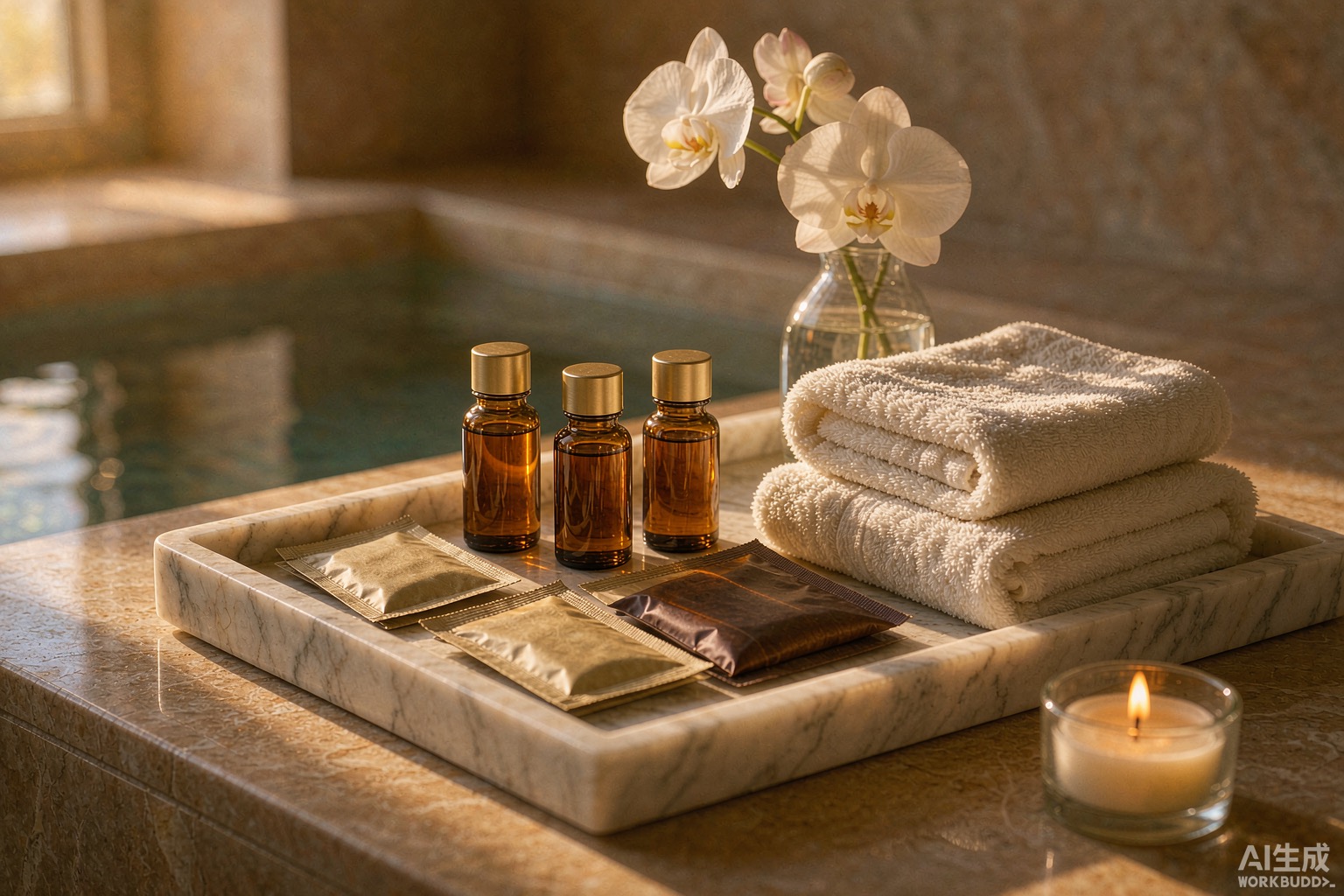
The hotel and spa channel does not buy ginseng products like a retailer or a distributor: it buys experiences in small formats — 10–20 ml vials, stick packs and miniature gift sets that work as welcome amenities, in-room rituals and spa-retail takeaways. Win this channel by selling a guest moment, not a product specification sheet.
This guide explains what hospitality buyers actually order, the format logic that makes the channel work, and how to structure a pitch that fits procurement reality. For channel context, this extends our five channels for selling TCM wellness abroad, and the daily-use angle connects with ginseng rituals in modern lifestyles.
Three structural differences change everything about the offer:
| Format | Placement | Why it works |
|---|---|---|
| 10–20 ml vials (single or 3-dose) | Welcome trays, minibars, spa menu | Instant premium perception, zero preparation |
| Stick packs (10 g) | Breakfast bars, in-room tea corners | Simple daily ritual, low spillage risk |
| Mini gift boxes (3–6 pieces) | Checkout counters, spa retail | High-margin takeaway gifting |
| Honey-blend jars (small) | Executive lounges, VIP amenities | Family-cultural fit for Middle East guests |
Two rules from supplier experience: keep every format single-session-sized, and make every box openable in under ten seconds — housekeeping and spa therapists abandon anything fiddly.
Procurement conversations converge on the same six points:
What MOQ do hotels typically require?
Individual properties often start at 200–500 units; hotel chains and spa groups at 1,000–3,000 units per SKU, especially with co-branding.
Do hotel products need different certifications?
Same food product, same certificates — but halal and full documentation become non-negotiable faster in hospitality, and requirements remain subject to local regulatory review.
What margin should a spa expect on retail takeaway products?
Plan for 40–60% margin on a suggested retail price; price your spa-retail tier backwards from that.
Is co-branding worth the extra MOQ?
For flagship properties and loyalty-building, yes; for pilot orders, stay property-neutral until repeat demand is proven.
Which markets respond best?
Middle East luxury hospitality, East and Southeast Asian city hotels, and European wellness resorts — each with different format preferences, so pilot before standardising.