← Back to TCM Global · All articles
From Clinic to Hotel Spa: Five Channels Selling TCM Wellness Products Abroad
2026-10-25
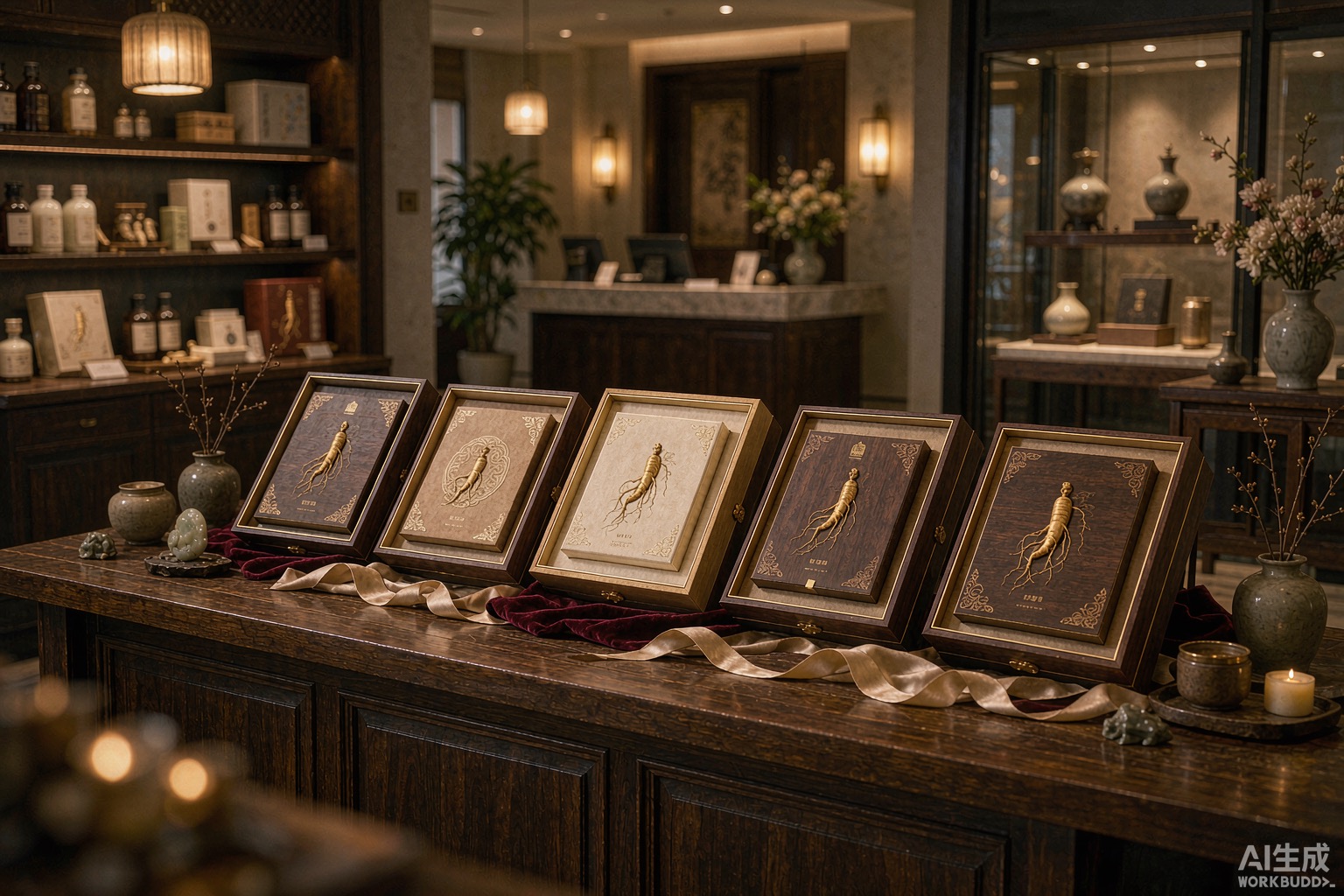
"Which market should I sell in?" is the question exporters ask. The sharper question is: which channel? In the overseas wellness trade, the channel you choose determines your price point, your compliance burden, your content needs — even your packaging. Here are the five channels that consistently work for TCM wellness products abroad, and how to approach each.
Channel 1: TCM Clinics and Wellness Practitioners
The most natural home for your products — practitioners who already understand tonic philosophy and usage traditions.
- What sells: slices and dried roots, liquid tonics, professional-grade extracts; herbal care patches as service complements.
- Why it works: practitioners give products context and ritual, which retail shelves cannot. A practitioner's recommendation is trust, packaged.
- How to enter: attend TCM and acupuncture associations' events in your target country; offer practitioner education, not just price lists. Small trial packs beat big minimums here.
- Watch out: clinics buy little but buy often and pay full margin. Treat them as partners, not volume accounts.
Channel 2: Hotel Spas and Luxury Wellness Venues
The premium doorway — one flagship spa placement can redefine a brand's image in a city.
- What sells: single-serve drink vials for in-room wellness menus, tea rituals, gift sets, patch treatments as add-on services.
- Why it works: hotels buy stories. "A Changbai Mountain ginseng ritual" is a bookable experience, not just a product.
- How to enter: target spa managers through hospitality trade shows (ATM Dubai, ILTM) and LinkedIn. Prepare a spa-specific presentation: guest experience, treatment menu integration, wholesale pricing tiers.
- Watch out: procurement cycles are slow (6–12 months) but contracts are stable and prestige spillover is enormous.
Channel 3: Premium Retail and Pharmacies
Curated "world wellbeing" shelves in department stores, concept stores and upscale pharmacy chains.
- What sells: gift-ready red ginseng boxes, beautifully packaged drinks, wellness patch displays.
- Why it works: these retailers curate trust for their customers — but they demand that you bring it first: full documentation, halal/organic certificates where relevant, retail-ready packaging.
- How to enter: work through local distributors with existing retail relationships; expect margin stacking and plan pricing backwards from shelf price.
- Watch out: listing fees, return policies and payment terms vary widely. Negotiate them as carefully as price.
Channel 4: E-Commerce and Cross-Border Platforms
Amazon, Noon, Lazada, Shopee, Tmall Global — plus your own DTC store.
- What sells: convenience formats — sachets, single-serve drinks, patch multipacks; strong visual content decides conversion.
- Why it works: lowest barrier to entry, direct customer feedback, and a testing ground for what to push into offline channels.
- How to enter: start with one platform in one market; localise listings properly (language, keywords, compliance wording); win reviews before scaling.
- Watch out: platform rules on health claims are strict and automated — one careless phrase can suspend a listing. Keep wording in the wellness/tonic lane.
Channel 5: Corporate and Festival Gifting
The underrated channel — in the Middle East especially, gifting seasons are commercial events of their own.
- What sells: premium gift boxes, branded corporate editions, seasonal bundles.
- Why it works: gifting buys the best packaging and tolerates the best prices. A Ramadan or Lunar New Year corporate order can equal a quarter of retail sales.
- How to enter: B2B gifting companies, event agencies, and direct outreach to corporate procurement three to four months before gifting seasons.
- Watch out: gifting is seasonal — build production planning around it, and never let a gift box look like a medicinal product.
Choosing Your Sequence
The pattern we see among successful distributors: start with practitioners and gifting (fast, relationship-driven, high margin), build e-commerce for visibility and data, then climb into spa and premium retail as documentation and brand maturity allow. Channels are not either/or — a patch that enters through a spa menu will later sell in pharmacies because the spa legitimised it.
Final Thought
Sell where trust already exists, then let each channel legitimise the next. That is how TCM wellness products move from "curious import" to "resident brand" in a foreign market.
All products discussed are health food / tonic and wellness-care positioning, consistent with local regulations — no treatment claims.