← Back to TCM Global · All articles
2026-10-25
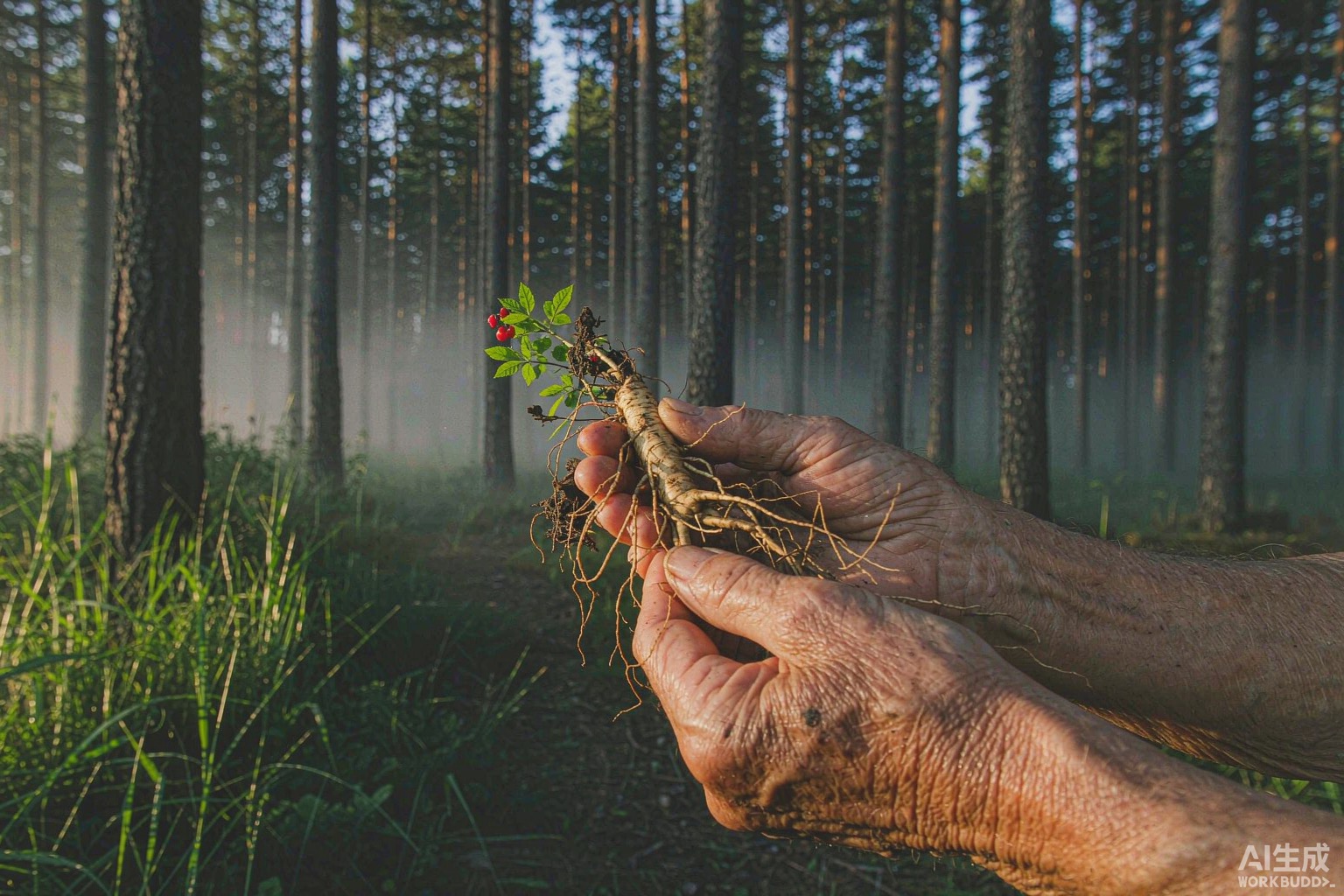
Every premium product has a place it calls home. For Chinese ginseng, that place is the Changbai Mountain range on the border of Jilin Province — a volcanic landscape of dense forests, mineral-rich black soil and winters that lock the earth in snow for months. This is not just geography. It is the reason a root grown here carries a different aroma, a different density, and a story your customers will actually remember.
Changbai — literally "Ever-White Mountain" — sits at high latitude with sharp seasonal contrast: short, humid summers and long, freezing winters. For ginseng, this is a slow-training regime. Cold winters push the plant into deep dormancy; the short growing season concentrates growth; and the forest canopy filters sunlight into the soft shade ginseng naturally seeks.
The soil tells the same story. Decades of fallen leaves and volcanic minerals create a dark, loose, humus-rich earth that drains well and feeds slowly. Ginseng grown here matures over four to six years — some premium roots longer — absorbing nutrients at nature's pace instead of being rushed.
There is a saying among growers: the root takes what the mountain gives, year by year. A cultivated Changbai ginseng root is tended through multiple winters. Each year of growth adds density and refines the balance of ginsenosides — the natural compounds that define quality for buyers and connoisseurs alike.
This patience is also what makes the economics interesting. A six-year root costs more than a two-year root — and it delivers visibly more: firmer texture, richer aroma, a more complete profile of active compounds. In the premium wellness trade, that difference is exactly what the price tier is built on.
The journey from mountain to shelf follows a rhythm perfected over generations:
Buyers visiting a serious producer will notice the same thing everywhere: the factory's pride in traceability. The best operations can tell you which slope, which year, which process line your batch came from. That is the quiet confidence of a genuine origin.
In Northeast China, ginseng is woven into local life beyond commerce. Farmers speak of the root respectfully; older generations still tell stories of mountain gatherers and the customs of digging ginseng with care. Traditional Chinese medicine has used ginseng for thousands of years as a tonic for vitality and balance — a daily nourishment tradition, documented in classical texts and carried on in modern kitchens as teas, soups and tonics.
For a brand telling an origin story, this is the material to work with: not exaggerated claims, but an honest narrative of place, patience and tradition. Consumers in Dubai, Kuala Lumpur or Paris may never see Changbai Mountain — but a product that carries its story gives them something rare: a sense of provenance they can trust.
In wellness, provenance is premium. Changbai Mountain gives Chinese ginseng what Bordeaux gives wine and Da Nang gives coffee altitudes — a defensible, beautiful origin story. Buyers who build their product lines on genuine origin do not just buy a root; they buy a narrative their customers can taste.
Ginseng products discussed are positioned as health food / tonic in line with traditional use; no medical claims are made or implied.