← Back to TCM Global · All articles
Ginseng Drink OEM Manufacturer Vetting: The 8-Point Due Diligence Checklist
2026-10-25
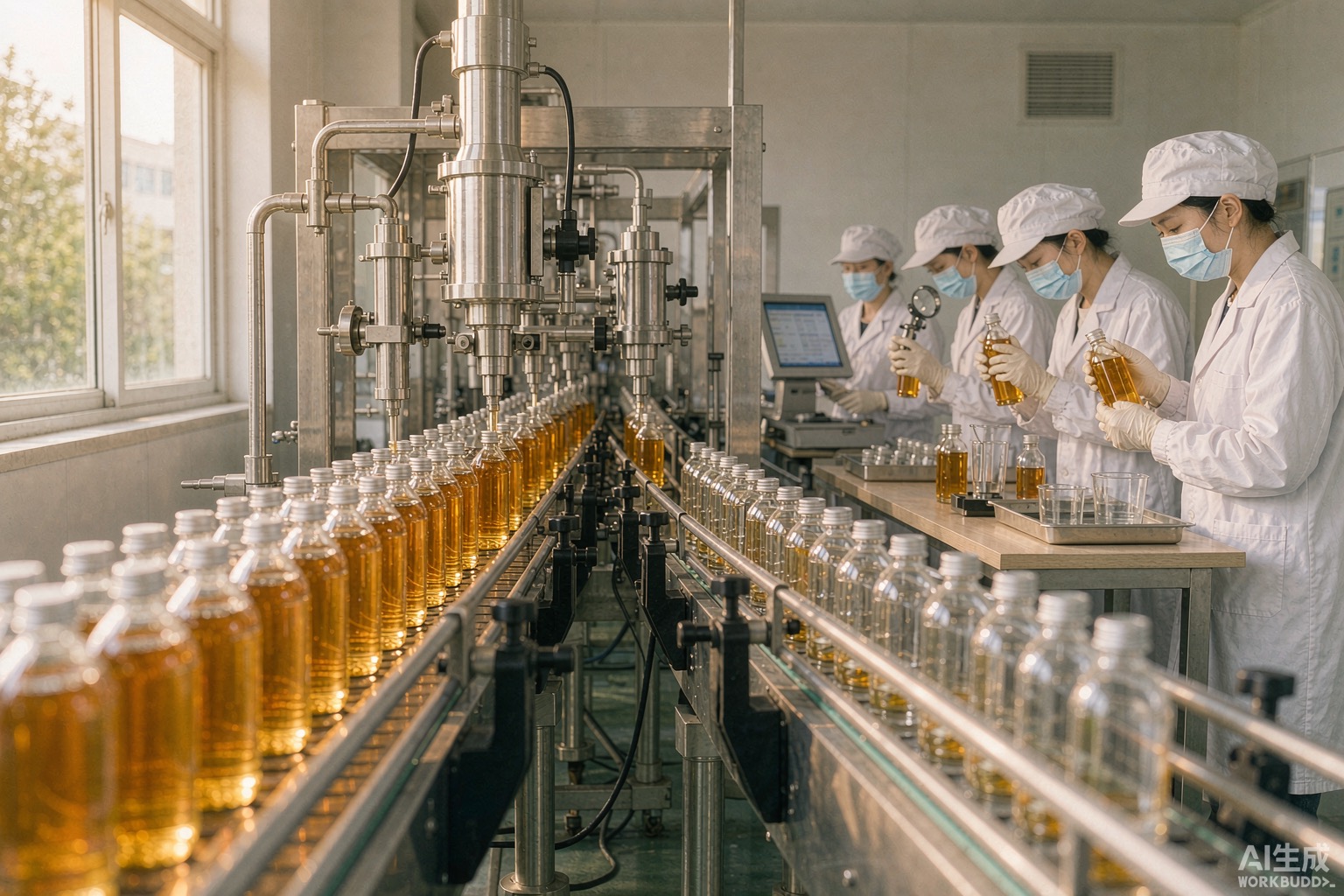
Vetting a ginseng drink OEM manufacturer comes down to eight checks in sequence: production licences, certification stack, production line fit with your format, raw material traceability, in-house QC capability, sample and batch consistency, contract safeguards, and export track record. Work through them in order — each check is cheaper than the failure it prevents.
This checklist distils what goes wrong most often in OEM tonic drink projects: mismatched lines, unverifiable raw material claims, and contracts that leave reformulation and detention costs ambiguous. Use it together with our broader supplier evaluation checklist and the private label versus ready brand decision.
1. Licences: Is It a Legal Food Manufacturer?
- Valid food production licence (SC) covering the exact product category — liquid beverages and solid drinks are separate licence scopes.
- Business licence scope covering food manufacturing, not just trading.
- Verify the licence against the physical factory address. A licence for "Factory A" with samples shipped from "Trading Company B" is the classic pattern in failed projects.
2. Certification Stack
Minimum: ISO 22000 or HACCP. Desirable: FSSC 22000, halal (for Middle East), organic where relevant. Two tests: certificates current (check expiry and the issuing body's registry), and scope matching the products you are buying — a factory certified for powders is not thereby certified for filled liquids.
3. Production Line Fit
Ask for a live line walkthrough (video call is fine) of the exact line that would run your product:
- Filling technology matched to your format: hot-fill vs aseptic, sachet vs vial vs jar.
- Minimum batch size and changeover time — this drives your real MOQ and lead time.
- Own filling line versus outsourced filling. Outsourcing is not disqualifying, but you must then vet the filler too.
4. Raw Material Traceability
- Where does the ginseng grow, who supplies it, and can the factory show harvest year and batch records?
- Is the extract produced in-house or purchased? Purchased concentrates are acceptable — if the sub-supplier's COA and licence are transparent.
- One field test: ask for the ginsenoside spec and the HPLC chromatogram of the same batch. A factory with real QC produces both without friction.
5. In-House QC Lab
- What is tested in-house versus outsourced? At minimum, microbiology and basic physicochemical tests should be internal; heavy metals and pesticide residues can be external with an accredited lab.
- Frequency: per batch, or per quarter? "Per batch COA" and "per quarter testing" are different quality worlds.
6. Samples and Batch Consistency
- Run a two-round sample process: round one for formulation fit, round two from a pilot batch, not a lab batch.
- Compare the pilot batch against retained samples of the same run — internal consistency is the real QC signal.
- Freeze and keep your reference samples; future disputes are settled with them.
7. Contract Safeguards
Eight contract points to settle before the pilot order:
- Specifications annex (physical, chemical, microbiological) as the quality reference.
- Who owns the formula and whether it can be exclusive after a volume threshold.
- Batch COA delivery with every shipment.
- Shelf-life and stability responsibility.
- Labelling compliance responsibility split (factory prints, buyer approves artwork).
- Detention or rejection cost allocation, including relabelling.
- Retained samples and dispute testing at a mutually agreed third-party lab.
- Termination: what happens to tooling, packaging stock and registration documents.
8. Export Track Record
- Years exporting to your region, destinations, and references you can actually call.
- Familiarity with your market's documents (halal, health certificates, EU or US label adaptations).
- A factory that has shipped to your market before has already paid for lessons you would otherwise pay for.
Red Flags Summary
- Refusal of a live line video or factory visit.
- Certificates whose registry entries do not match the factory name.
- "We can print any claim you want."
- Prices far below tier norms with no raw material explanation (see ginseng wholesale pricing logic).
FAQ
How long should vetting take?
Two to four weeks: document review (week 1), live line call and sample round one (week 2), pilot batch and contract negotiation (weeks 3–4).
Is a bigger factory always safer?
Not necessarily — line fit and QC discipline matter more than total size. A mid-size factory running your format daily often outperforms a giant factory that treats you as a side order.
Can I vet remotely only?
For a pilot order, remote vetting (documents + live video + third-party inspection) is workable. Before a container-level commitment, an on-site or third-party audit is worth the cost.
Who should arrange third-party inspection?
The buyer. Independence is the point — inspection arranged and paid by the buyer is the version everyone trusts.
What single check predicts project success best?
Batch consistency: request the last three batch COAs for the product most similar to yours. Tight, plausible, HPLC-backed numbers predict a factory that can hold a standard.