← Back to TCM Global · All articles
Private Label vs Ready Brand: Two Paths to Launch TCM Products Overseas
2026-10-25
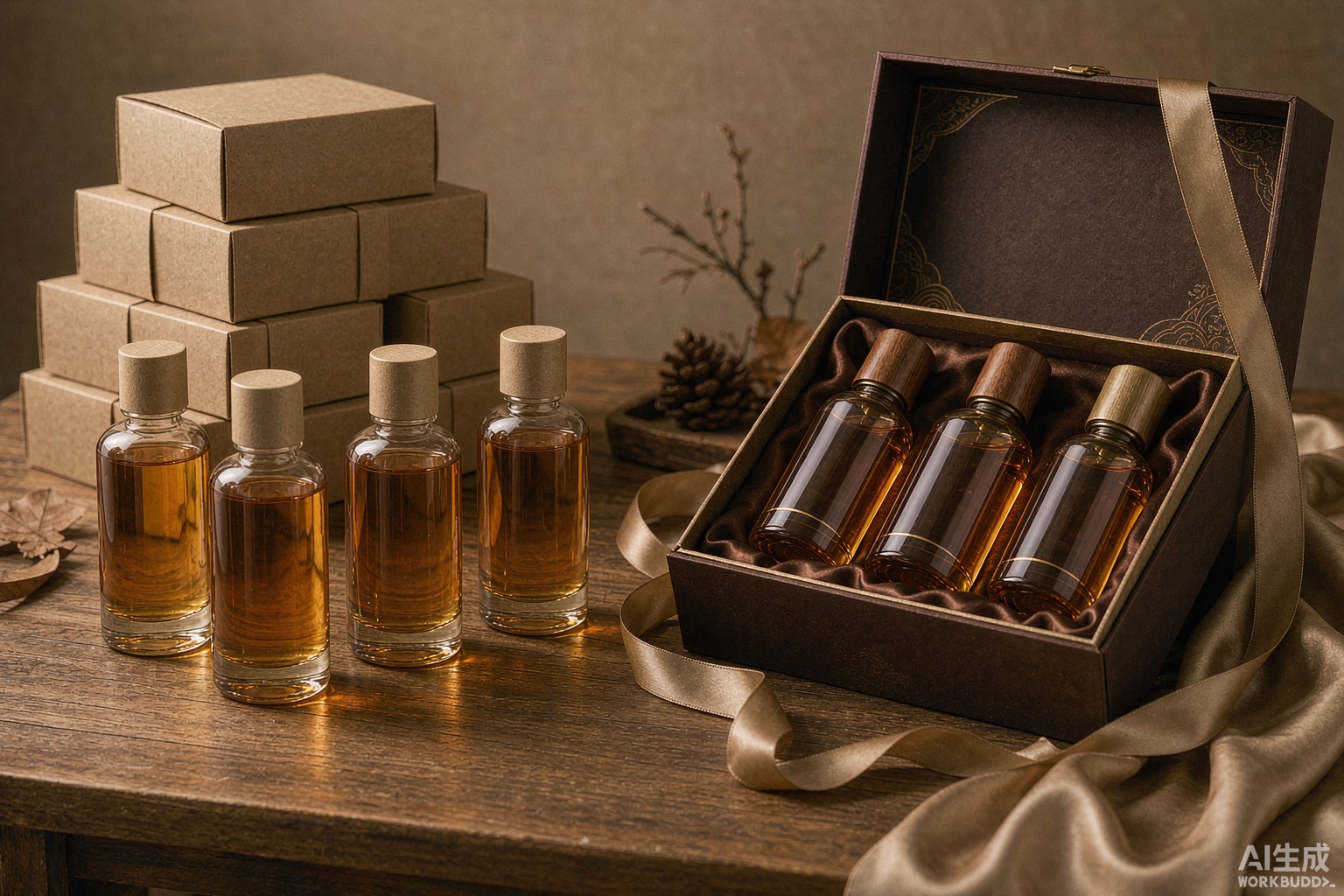
Every distributor we speak with faces the same fork in the road: do I build my own brand, or do I bring in someone else's? Both paths lead to the market. They differ in speed, margin, control and risk — and the right answer depends on your stage, your capital and your channels. Here is an honest comparison.
Path One: Private Label (Your Brand, Their Factory)
You choose products from a manufacturer's range — a ginseng essence drink, a red ginseng gift box, an herbal pain care patch — customise packaging, and launch under your own brand name.
Advantages
- You own the asset. Brand equity, customer data and repeat business accumulate under your name, not someone else's.
- Higher long-term margin. No brand premium passed through a manufacturer's margin stack.
- Differentiation. You can adapt flavours, formats, packaging languages (Arabic, English, French) and price tiers to your specific market.
Costs and risks
- Higher upfront commitment. Typical MOQs of 1,000–3,000 units per SKU, plus design, certification and registration costs in your market.
- Slower launch. Packaging, printing, compliance documents: count 2–4 months realistically.
- You carry the quality story. If a batch fails, it is your brand on the box.
Best when: you have established channels (clinics, spas, retail chains), plan to stay in the category for years, and want to build a sellable business.
Path Two: Ready Brand (Distribute an Existing Name)
You sign as the distributor or agent for an existing TCM brand — their formulas, their packaging, their track record.
Advantages
- Speed. Stock products can ship in weeks; you test market response with minimal commitment.
- Lower entry risk. No tooling, no packaging design, no minimum branding investment.
- Borrowed trust. An established brand brings certification files, existing export experience and market-tested storytelling you can use immediately.
Costs and risks
- Thinner margins — you pay for the brand inside the price.
- No exclusivity by default. Without a written exclusive territory agreement, the brand may sell through other importers in your market.
- Dependence. Price changes, supply interruptions and compliance updates are decided elsewhere.
Best when: you are testing a new market or channel, capital is limited, or you want revenue flowing while your own label is in development.
The Hybrid Play (What Most Successful Importers Actually Do)
The two paths are not mutually exclusive — sequencing is the skill:
- Start with a ready brand to open doors: stock the clinic, the spa, the pharmacy. Learn what your customers actually reorder.
- Build your private label around the SKUs that proved themselves, using the same factory that proved it can produce them.
- Run both: keep the ready brand as volume and shelf filler; let your own label carry margin and identity.
Questions to Ask Before Choosing
- Do I have channels that will commit to a new brand — or do I need an existing name to get meetings?
- Can my market's regulations be satisfied faster with the brand's existing documentation?
- What is the manufacturer's willingness to sign exclusive territory terms for either path?
- Who owns the packaging designs, trademarks and registration files if the relationship ends?
Final Thought
Private label builds equity; ready brand builds momentum. The mistake is treating them as an ideology ("we only do our own brand") rather than a tool. The importers who win start fast with someone else's name, learn the market, then graduate into their own — with the factory relationship, the compliance file and the customer insight already banked.
All products discussed are positioned as health food / tonic items; no medical claims apply in any market.