← Back to TCM Global · All articles
2026-10-25
In the health food trade, your supplier choice decides everything downstream: product consistency, compliance safety, and whether your customers reorder. Yet many first-time buyers still select suppliers based on a quotation sheet and a nice catalogue. Here is a disciplined 8-point checklist that separates real manufacturers from trading intermediaries — and reliable partners from future problems.
Every legal Chinese food manufacturer has a business licence and a food production licence (SC). Check both — the SC certificate lists exactly which product categories the factory is licensed to produce. A factory licensed for beverages cannot legally produce pressed herbal patches, and vice versa. Ask for copies, then verify licence numbers on national public registries.
A supplier-quality COA (generic, undated, no batch number) is marketing material. What you need: batch-specific Certificates of Analysis covering ginsenoside content (for ginseng products), heavy metals, pesticide residues and microbiology. Ask for COAs from three different recent batches. Consistent numbers across batches indicate real quality control; identical numbers across batches indicate copied documents.
Ask the question from our first guide: which region, which harvest year, and can you trace this batch to the field? Manufacturers with contracted farms answer precisely. Traders stall. Traceability is not just about compliance — it is your defence if a market authority ever asks questions about a shipment.
A supplier exporting to Germany or Saudi Arabia has already learned lessons a domestic-only supplier has not. This single question filters out a large share of problem vendors.
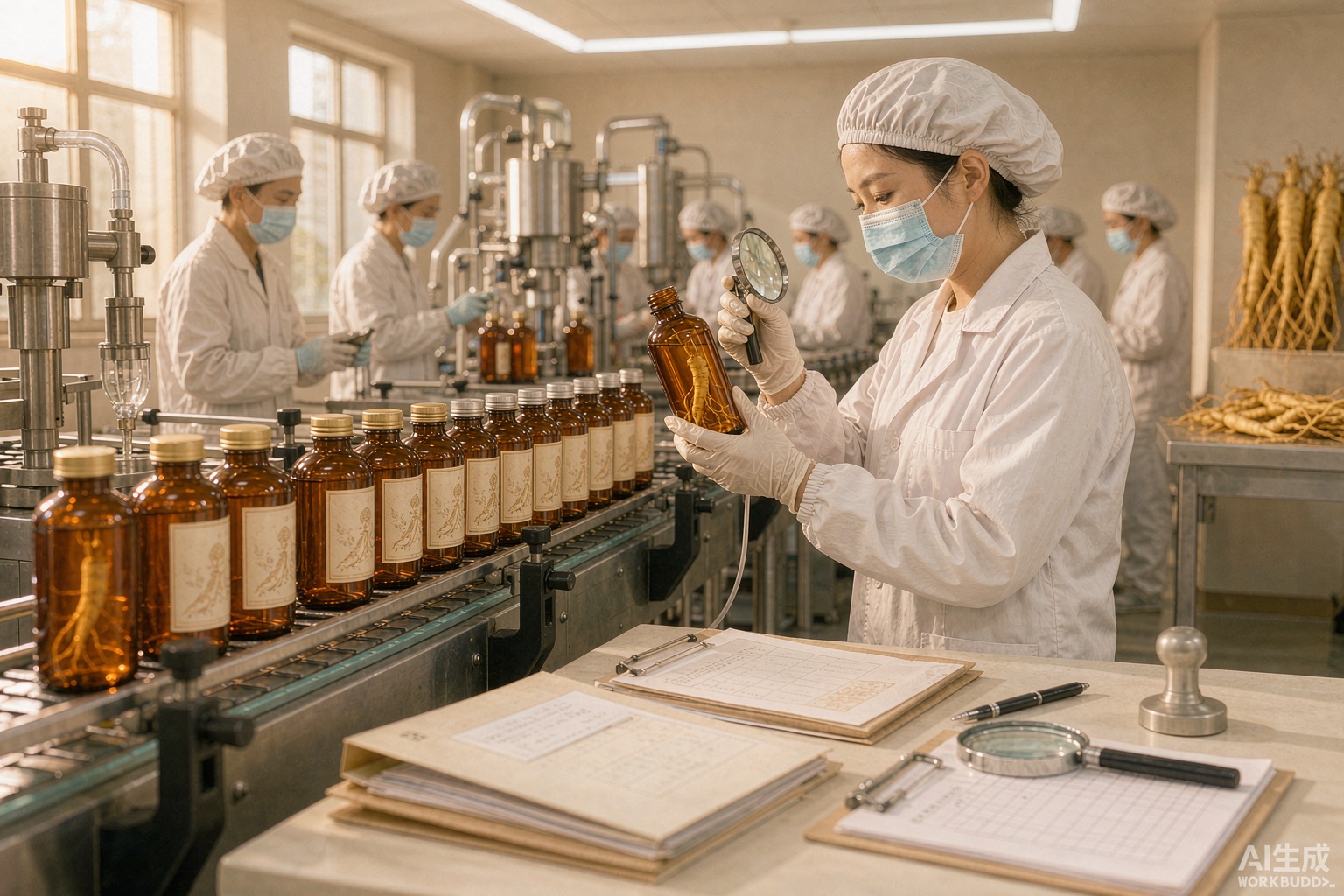
You do not always need a plane ticket. A disciplined video factory tour should show you: raw material storage, the production line for your specific product type, the quality control lab, and the packing area. Watch how staff handle materials. If a supplier refuses a live video tour, that refusal is your answer.
Judge the supplier by how they handle small requests before they get your big order:
Suppliers who are careless with small commitments are careless with large ones.
Sample quality is easy to stage. The real test is reorder consistency: ask for a second sample from the same production batch and compare. Then compare a new batch against it. Variation in taste, colour or viscosity between batches tells you what your customers would experience.
Map every certificate to your destination market before signing:
Note: import requirements differ by country. Have your local regulatory advisor confirm the final document list before contracting.
A simple rule: a serious supplier passes points 1, 2, 4 and 8 without hesitation. Weakness on the others may be negotiable; weakness on those four is not. And remember the asymmetry — verifying a good supplier costs days, recovering from a bad one costs a season.
The best suppliers welcome this checklist; they have nothing to hide and know that diligent buyers make stable partners. If a supplier resists verification, believe them. In health food, the cheapest due diligence is the one done before the wire transfer.
Products referenced (ginseng tonics, herbal care patches) are health food / wellness positioning — not medicines.