← Back to TCM Global · All articles
2026-10-25
Shipping ginseng tonic products internationally comes down to controlling four things: temperature exposure for liquid formats, remaining shelf life at arrival (a workable rule is shipping with at least 80% of shelf life intact), batch-level traceability paperwork, and packaging engineering that keeps breakage below 1%. Master these and international tonic logistics becomes routine; ignore any one and you inherit disputes, write-offs and retailer complaints.
This guide translates factory-side and forwarder-side practice into a buyer's playbook. Sourcing context is in how to source ginseng health products from China; the paperwork stack is in import compliance basics.
| Format | Temperature sensitivity | Recommended handling |
|---|---|---|
| Liquid extracts and drinks (glass) | Moderate–high | Avoid summer deck storage; prefer reefer in peak heat or sail off-season |
| Honey-blend jars | Moderate | Standard container acceptable; avoid freezing and >40°C spikes |
| Stick packs / powders | Low | Standard dry container; moisture barrier inner liner |
| Dried roots and slices | Low | Standard container with desiccants |
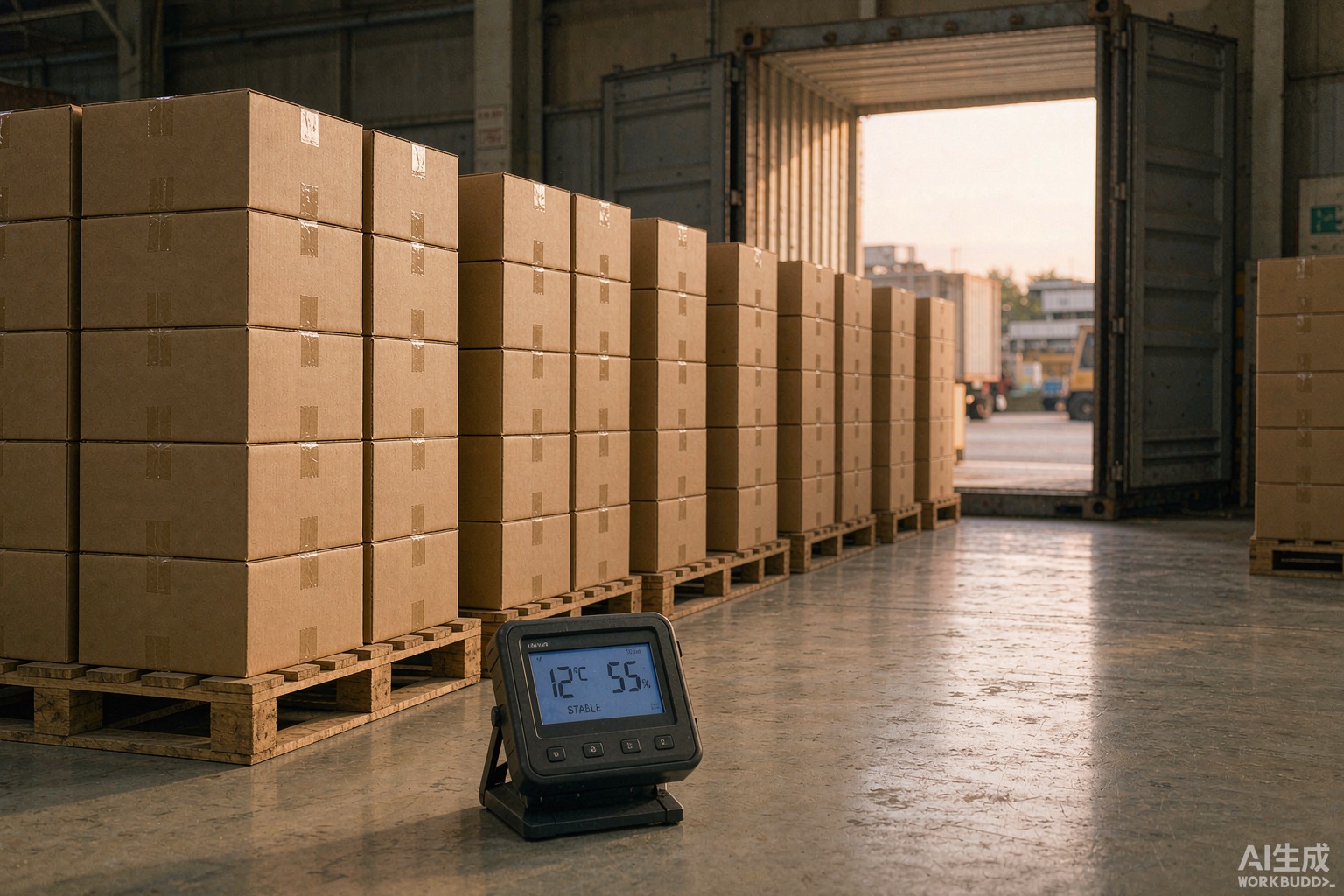
Liquid products tolerate normal sea transit well, but three exposures cause real damage: prolonged deck heat in summer sailings, freezing in northern winter routings, and multi-week port dwell. Practical mitigations: book non-deck stowage where the carrier allows, schedule shipments outside July–August for Gulf-bound cargo, and confirm maximum dwell commitments from your forwarder.
Three rules that prevent most shelf-life disputes:
Breakage under 1% is achievable for glass-format tonics with layered defence:
Inspect at discharge before signing delivery receipts where your Incoterms give you that right — claims filed after clean receipts rarely succeed.
Do ginseng drinks need refrigerated containers?
Usually no — a standard dry container with heat/dwell management is sufficient for most formats. Refrigerated (reefer) containers are justified for summer Gulf routings of premium liquid SKUs or where buyers' specifications require them.
What breakage rate should I accept in the contract?
0.5–1% is a common commercial allowance for glass formats; below that, packaging costs rise disproportionately. Set the evidence procedure in the same clause.
Who is responsible for temperature damage in transit?
Depends on Incoterms and insurance. For CIF/CFR, marine cargo insurance covering heat and sweat damage is cheap relative to the exposure — confirm the policy actually covers tonics, not just general cargo.
How long can cartons sit in port before quality risk?
Plan for under 2 weeks dwell. Beyond that, summer heat and humidity cycles start to matter for liquids and printed cartons.
What single document prevents most disputes?
The batch register tied to COAs. Almost every transport or quality dispute ends with the question "which batch, produced when, shipped how" — and the party that answers with documents wins.