← Back to TCM Global · All articles
How to Source Ginseng Health Products from China: A Complete Buyer's Guide
2026-10-25
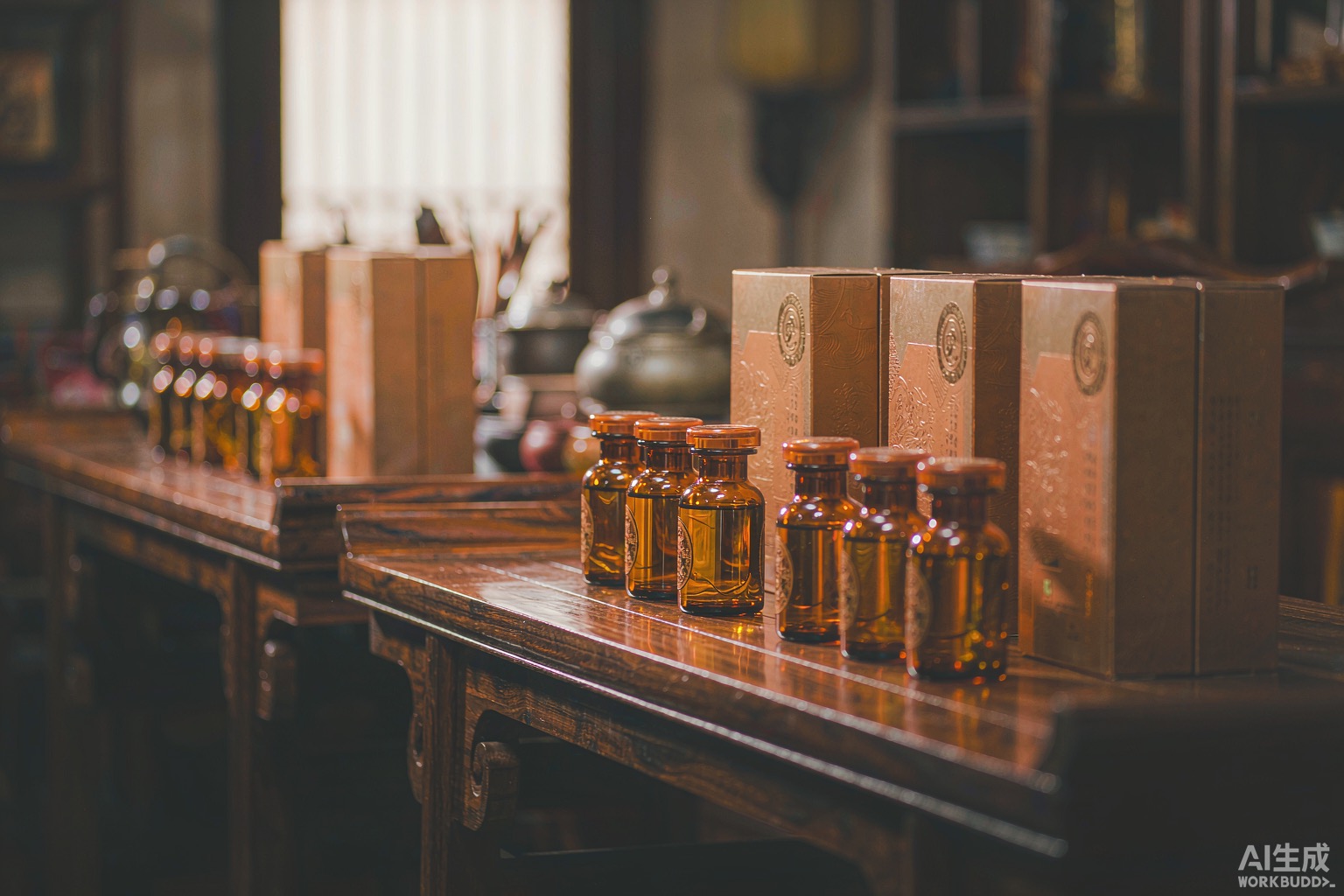
China supplies the majority of the world's cultivated ginseng, and demand for ginseng-based health food — extracts, drinks, sachets and tonics — keeps growing across the Middle East, Southeast Asia, Europe and Africa. But "buying ginseng from China" is not one transaction. It is a chain of decisions: which origin, which format, which certification, which supplier. This guide walks you through each step from a buyer's perspective.
1. Know the Origins
Not all ginseng is equal, and origin is the first price and quality driver.
- Changbai Mountain (Jilin Province) is the most recognised origin for cultivated Asian ginseng. The volcanic soil, cold winters and forested slopes produce roots with a high density of ginsenosides and a distinctive aroma. Most premium Chinese ginseng brands source here.
- Other Jilin and Heilongjiang regions offer good quality at lower cost, often suitable for mid-range product lines.
- Fresh vs dried: fresh (raw) ginseng is seasonal and cold-chain sensitive; dried white ginseng and steamed red ginseng are stable, standardised and easier to ship.
Ask every supplier one simple question first: where exactly does your ginseng grow, and can you trace the batch back to the field? A credible supplier answers with a region, a harvest year and documentation — not a vague "from Northeast China".
2. Choose the Right Product Format
For B2B portfolios, ginseng health food usually falls into four formats:
- Liquid extracts and oral drinks — premium positioning, higher price per unit, strong gift and hotel-spa appeal. Check whether the product is sold as a ready-to-drink vial, a concentrate, or a honey-based drink; each has different shelf-life and logistics needs.
- Slices and dried roots — traditional format, popular with clinics and herbal retailers, requires less processing but more grading knowledge.
- Powders and sachets — easy to standardise, popular for private label and e-commerce.
- Patches and topical care — adjacent category (often herbal-based pain care patches) that pairs well with ginseng tonics in one catalogue.
A practical tip: start with a narrow range. Two or three SKUs with clean documentation beat ten SKUs with mixed compliance levels.
3. Certifications and Documents That Actually Matter
For ginseng health food (not medicine), verify:
- Food production licence (SC licence) issued by Chinese authorities — this is the baseline for a legal food manufacturer.
- Health food registration or filing ("blue hat") if the product makes approved functional claims in China; note that export versions are often positioned as ordinary food or tonic.
- COA (Certificate of Analysis) per batch: ginsenoside content, heavy metals, pesticide residues, microbiology.
- Export documents: health certificate, certificate of origin, free-sale documentation as required by your market.
- HACCP or ISO 22000 for a quick read on the factory's quality system maturity.
- Halal certification — essential if you are selling into the Middle East or Muslim-majority markets in Southeast Asia.
Regulations differ by destination market. Always have your local compliance advisor confirm what is required before you sign a purchase contract.
4. MOQ, Pricing and Sample Strategy
- Typical MOQs: 100–500 boxes for stock products, 1,000–3,000 units for private label. Anything dramatically lower usually means a trader, not a factory.
- Ask for the ex-works price, FOB price and per-unit landed cost estimate in the same quotation, so you can compare suppliers on real numbers.
- Order samples from at least three suppliers. Evaluate taste, aroma, packaging finish and batch consistency — not just the certificate.
- Reorder the same batch before scaling: sample quality is easy to manufacture; batch-to-batch consistency is the real test.
5. Quality Checks Beyond Paperwork
- Request a retained sample from every production run and keep it until the shipment is sold.
- Arrange third-party inspection (SGS, TÜV or similar) for first orders.
- Photograph every packaging layer before loading; disputes later usually come down to what was actually packed.
- Agree in writing on shelf life, storage conditions and date-format printing (some markets require both production and expiry dates in a local format).
6. A Simple Negotiation Framework
Buyers who succeed in this category tend to:
- Talk about annual volume scenarios rather than haggling on the first order — factories reserve their best pricing and best staff for partners who plan.
- Ask the supplier about their existing export markets; a supplier already exporting to the EU or GCC understands the documentation burden you will face.
- Build traceability and COA requirements into the contract, not into a friendly email.
Final Thought
Sourcing ginseng health food from China is very doable, and the margins in premium wellness remain attractive. The winners are not the buyers who chase the lowest price, but those who pick one credible origin, one clear format, and one supplier willing to document everything. Do that, and your first container is far less risky than it looks.