← Back to TCM Global · All articles
2026-10-20
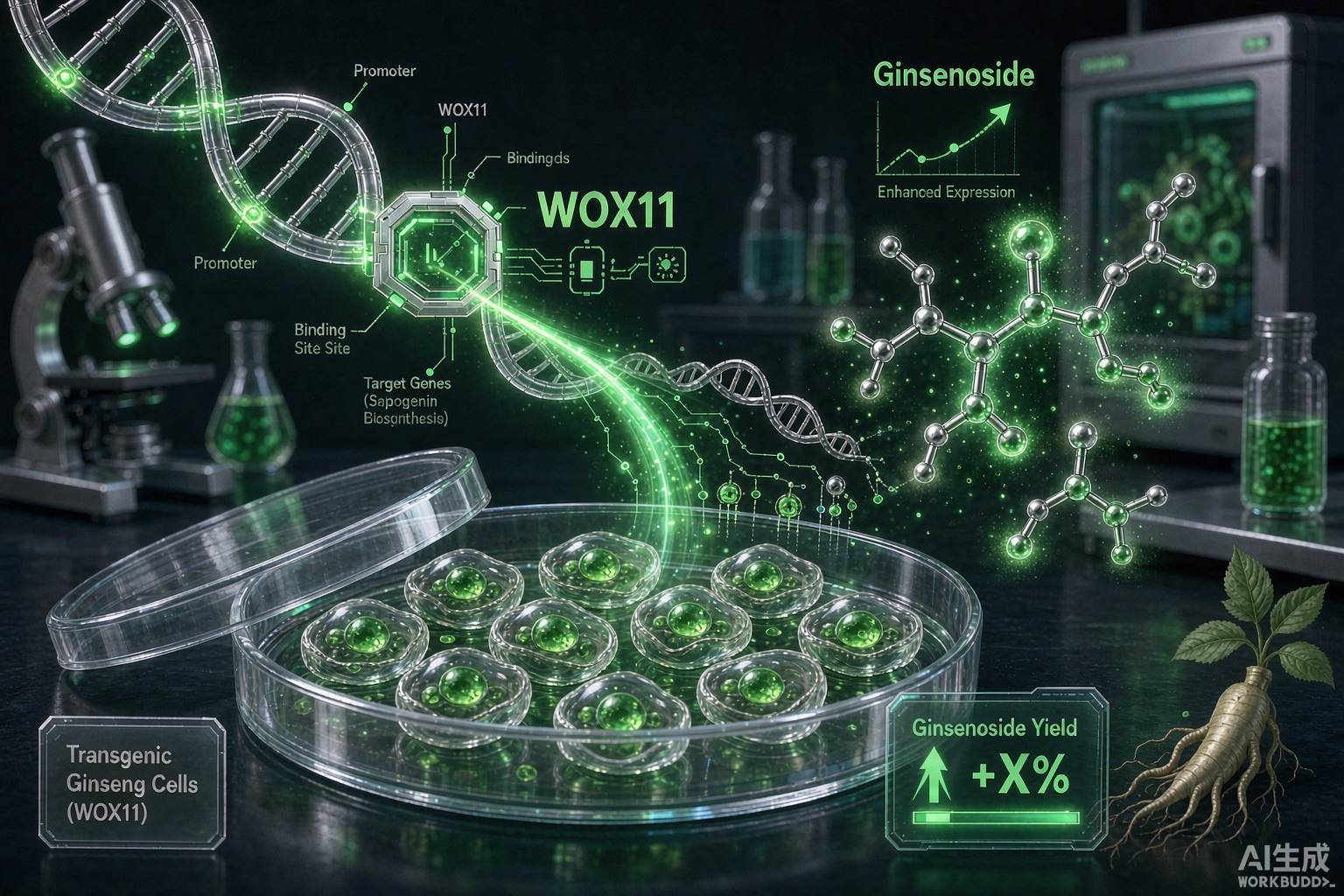
For centuries, ginseng has held a place of quiet honor in Eastern wellness traditions—revered not for quick fixes but for steady, cumulative support of vitality and balance. Now, a new line of scientific inquiry is drawing fresh attention to this ancient root. Researchers studying ginseng cell cultures have found that a gene known as WOX11 can meaningfully increase the production of ginsenosides—the bioactive compounds that give ginseng much of its character.
The findings, which center on laboratory-grown ginseng cells rather than field-harvested roots, offer an intriguing glimpse into how tradition and biotechnology may walk together in the years ahead. For those who appreciate ginseng as part of a thoughtful wellness routine, the story is worth following.
Ginsenosides are a family of naturally occurring compounds found in the roots, stems, and leaves of *Panax ginseng* and related species. In traditional Chinese medicine, these compounds are often described as part of what gives ginseng its "warming" and restorative nature. In modern research, they are the primary focus of scientific interest because they appear to interact with the body's own systems in a variety of ways.
Naturally, the concentration of ginsenosides in a root depends on many things—soil, climate, the age of the plant, and how it is cultivated. It can take four to six years for a field-grown ginseng root to reach maturity, and even then, the yield and richness of its compounds can vary widely. This variability is one reason scientists have long been curious about whether the process could be made more consistent and more efficient.
WOX11 belongs to a family of plant genes known as WUSCHEL-related homeobox genes. In simple terms, these genes help govern how plant cells grow, divide, and specialize—especially in young tissues and developing roots. They are part of the plant's own internal guidance system, quietly directing where new cells should form and what they should become.
In the context of ginseng cell culture, researchers have been exploring how manipulating WOX11 expression might nudge cells toward producing more of the compounds we value. The early results are promising: when WOX11 activity is enhanced in cultured ginseng cells, ginsenoside output appears to rise.
It is important to clarify what "lab-grown ginseng cells" means. This research does not involve creating an artificial plant or a synthetic root. Instead, scientists cultivate ginseng cells in controlled conditions—much like a highly attentive indoor garden—where temperature, nutrients, and light can be managed precisely. This approach offers several advantages:
For a wellness tradition built on respect for nature's rhythms, these are meaningful considerations. The goal is not to replace the mountain-grown root, but to understand it more fully—and to ensure its gifts remain available for generations to come.
It is worth being measured about what this research does and does not show. The WOX11 findings come from controlled laboratory studies of cell cultures, not from clinical trials in people. They tell us something about plant biology—specifically, how ginseng cells regulate the production of their own compounds—rather than about any health outcome.
What the research offers, then, is a deeper appreciation of the plant's inner workings. It is a reminder that ginseng is not merely a commodity but a living system with its own intricate biology, one that science is only beginning to map.
For those who incorporate ginseng into their wellness rituals—whether as a tea, a tincture, or a thoughtfully sourced supplement—this research adds a layer of quiet confidence. A better understanding of ginsenoside production points toward more consistent, better-characterized ginseng preparations in the future. It also supports the broader movement toward transparency in sourcing and quality.
At TCM Global, we see this not as a departure from tradition but as its natural extension. The ancient texts speak of ginseng as a root that nourishes vitality and supports the body's own balance. Modern science is simply giving us new language for what the tradition has long observed—and new tools for honoring it.
It is easy to get swept up in the excitement of a genetic discovery. But the wise approach, in the spirit of traditional Chinese medicine, is balance. Laboratory findings like these are valuable steps in a long journey. They complement—rather than replace—the careful cultivation, the patient harvest, and the time-honored preparations that give ginseng its enduring place in wellness practice.
As research continues, we will follow it with interest and share what we learn. In the meantime, the root itself remains what it has always been: a quiet, steady companion for those who seek a little more balance in their days.
The WOX11 gene appears to enhance ginsenoside production in lab-grown ginseng cells, opening a window onto how biotechnology may support the future of this treasured root. For wellness-minded readers, the message is gently encouraging: tradition and science can coexist, each deepening our understanding of the other. And ginseng, as ever, continues to invite us to slow down, take notice, and care for our wellbeing with patience and intention.
*This article is for informational and wellness purposes only and is not intended to diagnose, treat, or prevent any condition. Always consult a qualified healthcare provider before beginning any new wellness regimen.*
Explore more Eastern wellness wisdom at TCM Global.