← Back to TCM Global · All articles
2026-10-30
# World Traditional Medicine Conference 2026 Takeaways: What B2B Buyers Learned in Beijing
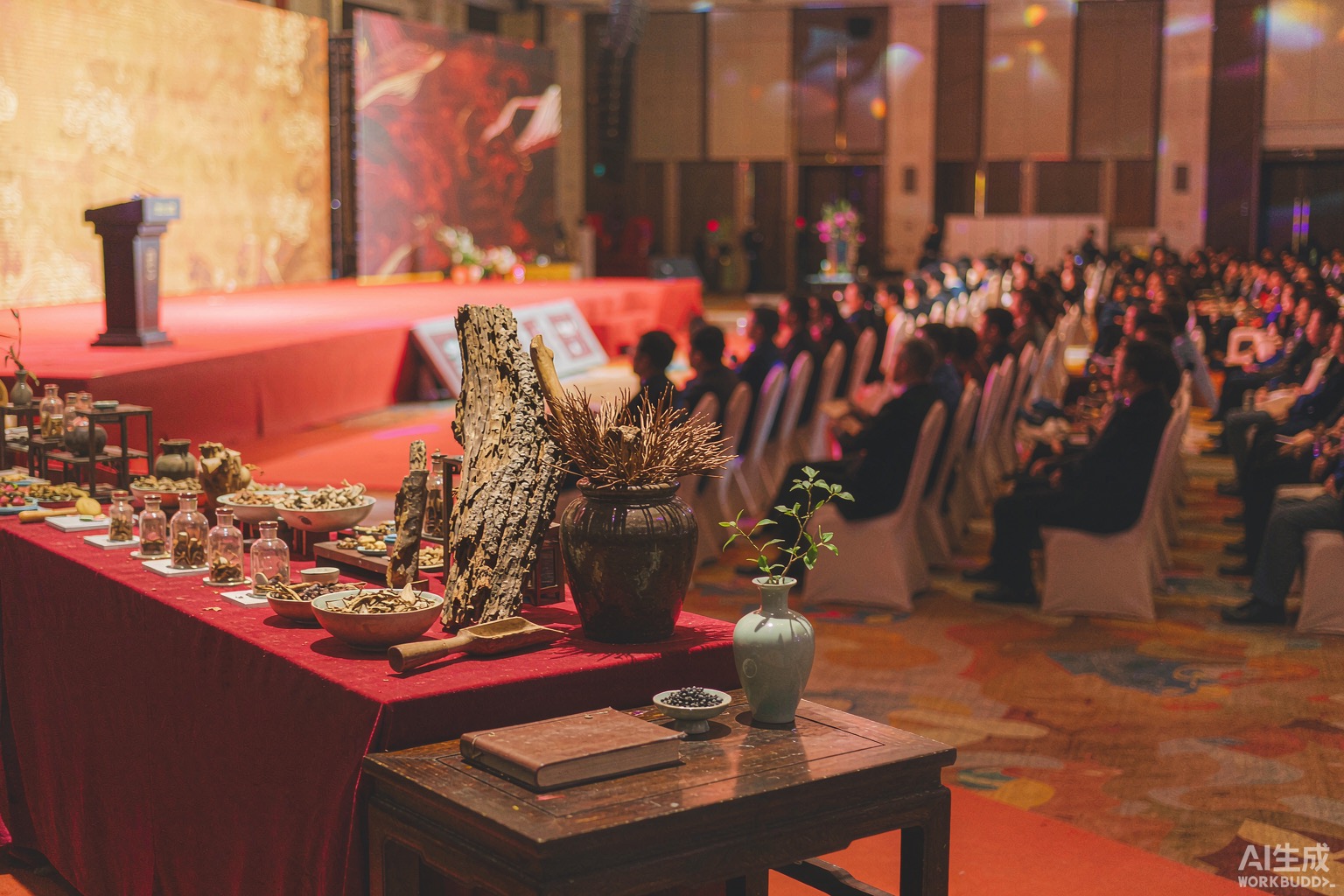
The World Traditional Medicine Conference 2026, held in Beijing in October alongside the Changbai Mountain Ginseng Culture & Trade International Exchange Event, pointed to three buyer-relevant conclusions: finished dosage products now dominate supply conversations, traceability has become a standard trade requirement, and Jilin's ginseng industry is investing heavily in international brand building. The event's 10,000 sqm exhibition and matchmaking program drew more than 600 overseas guests — the largest international turnout the sector has seen.
The conference combined an academic summit with a commercial exhibition and structured trade matching:
| Element | Details | Buyer Relevance |
|---|---|---|
| Exhibition area | 10,000 sqm | One-stop supplier discovery across TCM categories |
| International guests | 600+ from multiple regions | Live signal of global demand direction |
| Jilin ginseng pavilion | Dedicated provincial showcase | Concentrated access to Changbai Mountain supply chain |
| Buyer matchmaking | Pre-scheduled factory meetings | Compressed vetting from months to days |
For buyers who could not attend, the matchmaking model itself is the takeaway: sourcing trips built around concentrated supplier meetings outperform generic trade-fair wandering.
The most striking floor-level shift versus prior years: factory booths led with finished products — vial sets, RTD drinks, gummies, gift boxes — rather than bulk extract. This mirrors customs data showing herbal finished product exports surging. Practical implications for buyers:
The Jilin pavilion showcased farm-to-export traceability systems — batch QR codes linked to ginsenoside COAs, cultivation records, and export documentation. Multiple provincial programs presented origin-verification schemes as standard infrastructure. Buyers should expect every serious supplier to offer:
Our guide to ginseng brand traceability systems explains how to audit these claims — conference brochures notwithstanding.
The pairing of the conference with the Changbai Mountain ginseng exchange event — held the same week, in the same city, for the same international audience — is itself strategic. Jilin is positioning Changbai Mountain as a geographical-indication brand to compete with Korean red ginseng's consumer recognition. Our detailed comparison of Changbai Mountain ginseng vs Korean red ginseng covers what this means for pricing and positioning. Buyers can expect marketing support co-investment opportunities with Chinese suppliers who previously offered none.
A practical 30-day action list:
Event business cards age fast — a 30-day conversion discipline separates buyers who benefit from those who networked. Week one: send personalized follow-ups referencing the specific products discussed, and request a documentation package (COA samples, certifications, traceability demo, price list with MOQ tiers). Weeks two and three: hold video factory tours for the top three to five candidates; a 30-minute live walkthrough of the filling line and QC lab reveals more than ten emails. Week four: request paid samples from the final two or three and start the formal vetting process with an agreed scoring sheet covering quality documentation, communication responsiveness, pricing transparency, and flexibility on first-order terms.
Buyers who ran this sequence after the October 2026 Beijing events entered December with qualified, sample-tested shortlists — while the pre-event supplier interest was still warm. The same cadence works for any trade event: the value is never the booth visit alone, but the structured 30 days that follow it.
No — the conference covered traditional medicine broadly, including herbal ingredients, devices, and services. But ginseng received exceptional prominence through the Jilin pavilion and the co-located Changbai Mountain event, making it the most commercially focused category for international buyers.
Yes, especially matchmaking-format events. Small buyers get disproportionate value because factories are competing for export relationships and will accept lower first-order volumes (500-3,000 units) in person that they might decline in cold email.
Pre-scheduled factory meetings with documentation packages (COAs, certifications, traceability demos) prepared in advance. That preparation standard — suppliers arriving audit-ready — is worth replicating in your own RFQ process regardless of event attendance.