← Back to TCM Global · All articles
2026-10-19
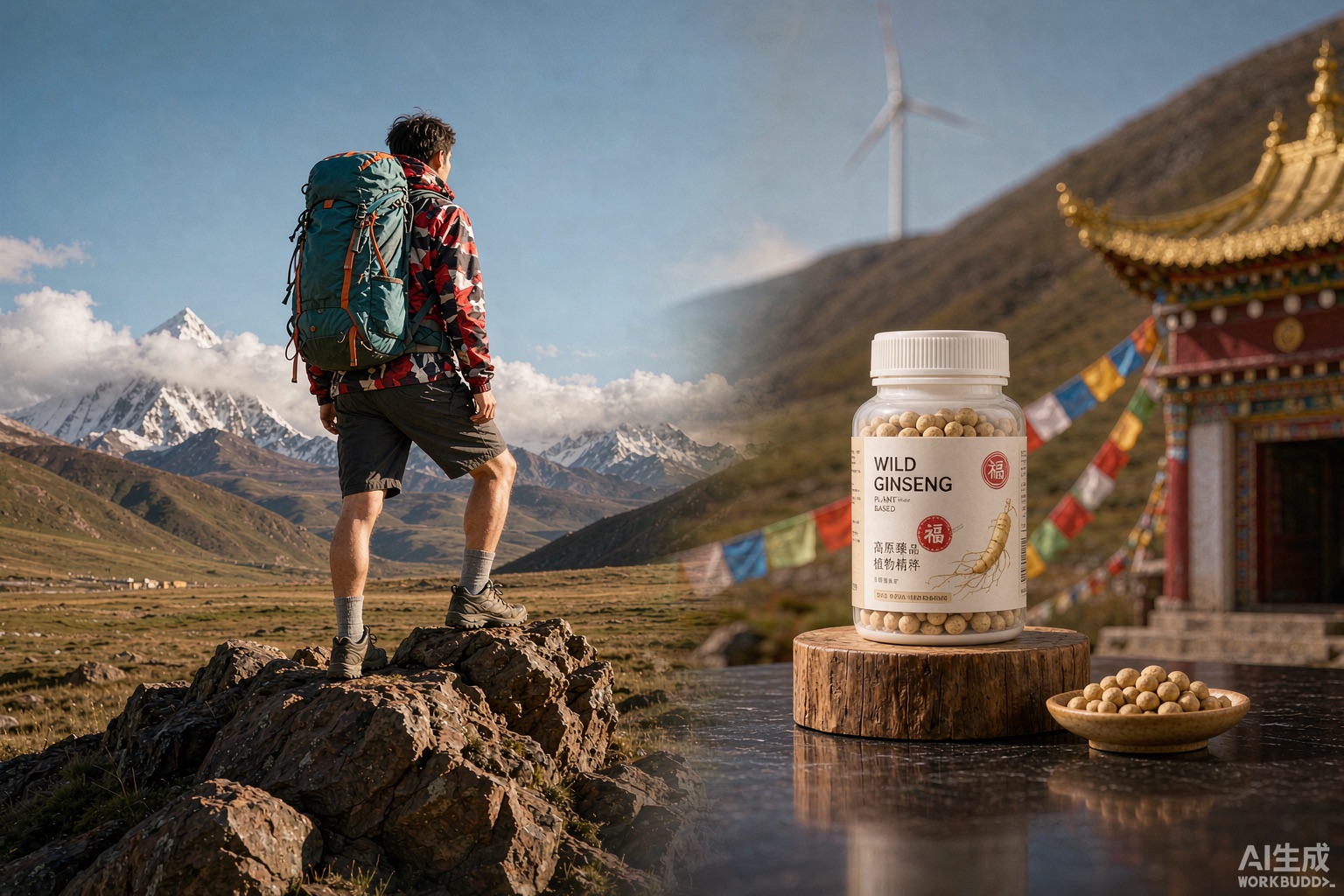
Ascending to high altitudes can be a breathtaking experience, but the thin air and lower oxygen levels often bring discomfort. Altitude sickness, characterized by headaches, fatigue, and shortness of breath, affects many travelers. While modern medicine offers solutions, traditional Chinese medicine (TCM) has long relied on adaptogenic herbs like wild ginseng to support the body's resilience. Among these, Yunling No.1—a premium wild ginseng variety—is gaining attention for its potential to aid wellness at high elevations.
Wild ginseng (Panax ginseng) has been treasured in TCM for centuries as a Qi tonic, believed to enhance vitality and stamina. Unlike cultivated ginseng, wild ginseng grows slowly in mountainous regions, absorbing the essence of its environment. This slow growth results in a higher concentration of ginsenosides, the active compounds responsible for its adaptogenic properties. Adaptogens help the body adapt to stress—including environmental stressors like hypoxia—by modulating the immune and cardiovascular systems.
Yunling No.1 is a specific cultivar of wild ginseng native to the Yunling Mountains in southwestern China, where it thrives at elevations above 2,500 meters. This unique growing environment may confer distinct qualities: the plant is exposed to intense UV radiation and significant temperature fluctuations, which could stimulate the production of protective compounds. In TCM, herbs from high-altitude regions are often considered potent, as they embody the resilient energy of their habitat.
While research is ongoing, preliminary studies suggest that ginseng may help mitigate some symptoms of altitude sickness. Here's how:
*Note: These statements are based on traditional use and emerging research; they are not intended to diagnose, treat, or prevent any disease.*
In TCM, wild ginseng is often prescribed to tonify Qi and strengthen the lungs—key organs involved in respiration. For high-altitude travelers, a common recommendation is to begin taking ginseng a few days before ascent to build up resilience. Yunling No.1, available as dried root, capsules, or extracts, can be incorporated into a daily regimen. However, it's essential to source from reputable brands like TCM Global, which ensure authenticity and purity.
If you're planning a high-altitude trek, consider adding wild ginseng to your wellness toolkit. Here are practical tips:
At TCM Global, we are committed to providing authentic, high-quality TCM herbs. Our Yunling No.1 wild ginseng is sustainably harvested and rigorously tested for potency, ensuring you receive nature's best. Embrace the wisdom of Eastern wellness and elevate your high-altitude experiences with the support of wild ginseng.
*Disclaimer: This article is for informational purposes only and does not constitute medical advice. Always consult a qualified healthcare provider before starting any new supplement, especially if you have underlying health conditions or are pregnant.*
Explore more Eastern wellness wisdom at TCM Global.