← Back to TCM Global · All articles
2026-10-30
# TCM Winter Soup Pack Retail Opportunity: A B2B Sourcing Guide
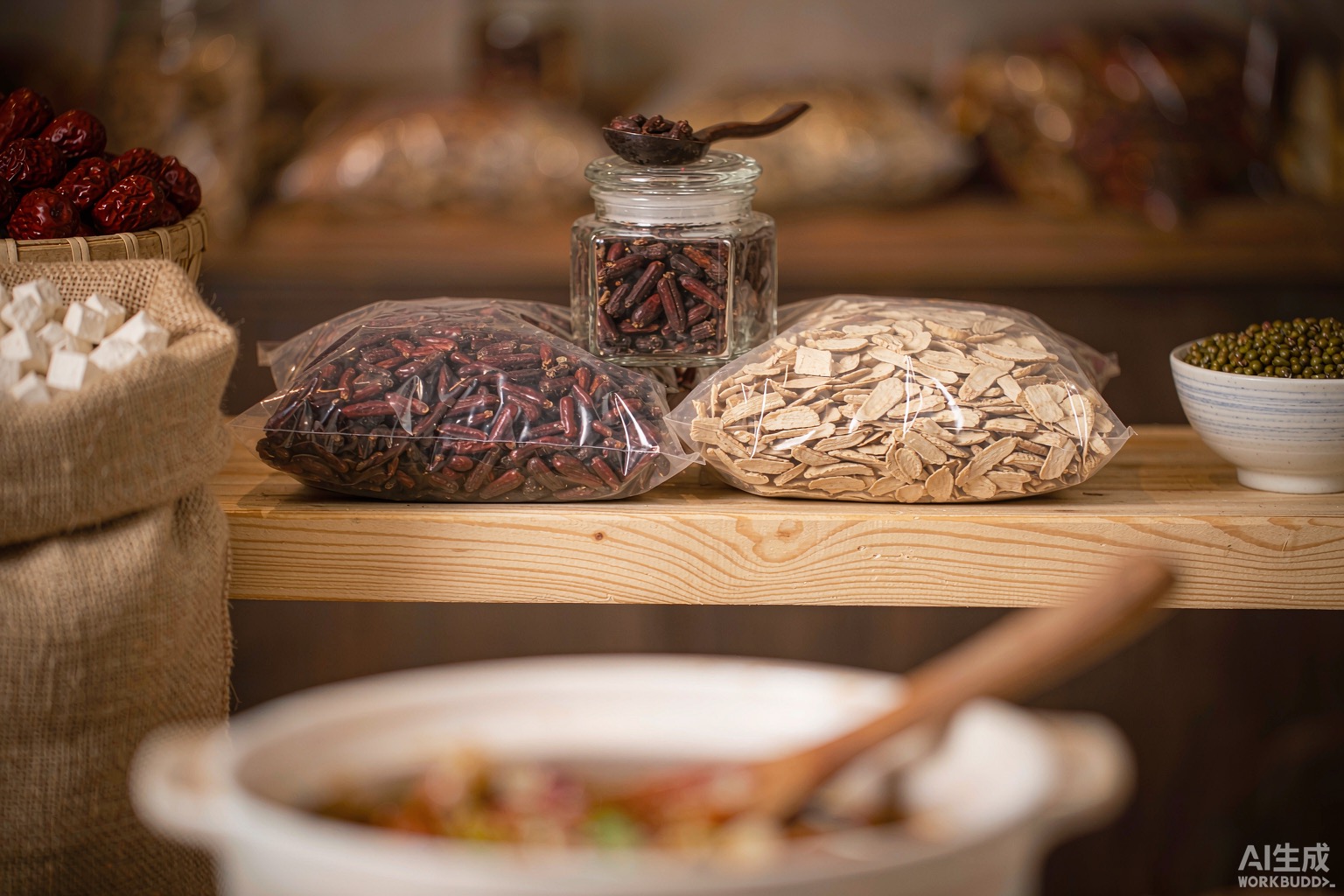
The TCM winter soup pack retail opportunity is one of the most accessible entries into traditional Chinese wellness products: pre-portioned herbal soup kits — ginseng, codonopsis, astragalus, red dates, goji, and dried mushrooms in recipe-ready packs — that retail at US$8-25, carry 50-65% margins, and sell hardest exactly when Western wellness demand also peaks (November-February). For B2B buyers, soup packs combine the authenticity of TCM tradition with the convenience modern consumers demand, and they remain far less crowded on Western shelves than ginseng drinks or capsules. This guide maps the formats, economics, and merchandising strategy.
Three converging trends drive demand. First, the home-cooking shift: post-pandemic consumers cook more and seek convenient "complete meal" solutions — a soup pack that contains every herbal ingredient for one pot, needing only meat or vegetables added, fits perfectly. Second, East Asian food culture has gone mainstream: hot pot, herbal broths, and Asian soups have moved from ethnic groceries into mainstream retail, and industry reports on the global soup and broth market show consistent growth with premium wellness segments expanding faster than the category average. Third, the "food as wellness" movement: consumers increasingly prefer nourishment through food over pills, which is precisely the bridge traditional Chinese dietary therapy has walked for centuries — a story that connects naturally to the heritage framework in our TCM cultural storytelling brand trust guide.
For diaspora communities, soup packs are a habitual winter purchase tied to traditions like Dong Zhi (December 21-22) — the seasonal anchor covered in our winter solstice tonic marketing calendar guide. For mainstream wellness consumers, they are an approachable first step into TCM: cooking a soup feels familiar in a way that drinking a herbal extract does not.
Chinese suppliers offer a well-developed range of formats at different price and convenience levels:
| Format | Contents | FOB cost/pack | Retail price | Consumer profile |
|---|---|---|---|---|
| Classic herb sachet | Dried herbs for 1 pot (ginseng/codonopsis, dates, goji, yam) | US$1.20-2.80 | US$8-15 | Diaspora families, traditional cooks |
| Premium single-serve | Vacuum-packed complete kit incl. dried meat substitute or mushroom | US$2.50-5.00 | US$15-25 | Urban professionals, gift buyers |
| Instant soup cup | Dehydrated soup powder cup, hot water ready in 5 min | US$0.80-1.80 | US$4-8 | Office workers, students |
| Bundle kit (4-6 packs) | Themed box: "energy," "warmth," "rest" variations | US$6-14 | US$25-45 | Gift sets, corporate programs |
| Paste/concentrate jar | Ready soup base paste, spoon into hot water | US$2.00-4.50 | US$12-20 | Convenience seekers |
The sachet format is the volume anchor — light (60-150g per pack), shelf-stable 18-24 months, and freight-efficient. Premium kits and themed bundles drive gift-season revenue. A balanced first assortment is roughly 60% classic sachets, 25% instant cups, 15% gift kits.
Typical OEM terms from Chinese suppliers at 1,000-3,000 packs per SKU:
| Cost item | Range |
|---|---|
| Classic herb sachet FOB | US$1.20-2.80 per pack |
| MOQ | 500-2,000 packs per SKU; 3,000+ for fully custom blends |
| Custom branded packaging | Included above MOQ; box adds US$0.30-0.80/pack |
| LCL sea freight per pack (to US/EU/Gulf) | US$0.15-0.35 |
| Landed cost per classic pack | US$1.60-3.60 |
| Landed cost per gift kit | US$8-17 |
At a US$12.99 retail on a landed US$2.50 pack, gross margin runs 65-80% at retail and 45-60% at wholesale — comfortably above typical dry grocery. Recipe flexibility is a key sourcing advantage: suppliers can adjust herb compositions to local tastes (adding conpoy or scallop for premium Gulf and Asian markets, mushroom-forward blends for Western vegetarians), though buyers must verify that every botanical in a custom blend is permitted in the destination market — the EU's novel food and national traditions-of-use rules make ingredient screening essential before sampling, as outlined in our EU novel food regulation TCM products guide.
Soup packs reward visual, food-first merchandising:
Work backward from a November 1 shelf date: confirm orders by July-August, complete production in 30-45 days, and allow 25-40 days sea freight plus customs. Dried botanicals are not refrigerated cargo, which simplifies logistics, but summer heat in transit makes quality suppliers' moisture-controlled packaging (individual sealed sachets with desiccant) a selection criterion worth testing through the standard process in our ginseng factory sample order process guide.
Chinese suppliers typically require 500-2,000 packs per SKU for standard blends with custom packaging, and around 3,000+ packs for fully custom herb compositions. First-time buyers can often start smaller through trading companies or by bundling SKUs.
The ingredients determine this. Common food-grade botanicals (dates, goji, yam, shiitake) clear easily in most markets, while some TCM herbs face EU novel food or national restrictions — screen every blend ingredient against destination-market rules before ordering samples.
Yes — position them as premium soup kits with recipe cards and cooking imagery rather than as TCM products. Mainstream wellness and foodie audiences respond to the convenience-plus-tradition story, especially during winter when home-cooking interest peaks.