← Back to TCM Global · All articles
2026-10-30
# Small MOQ Trial Order Ginseng: Testing 100 Boxes Before You Scale
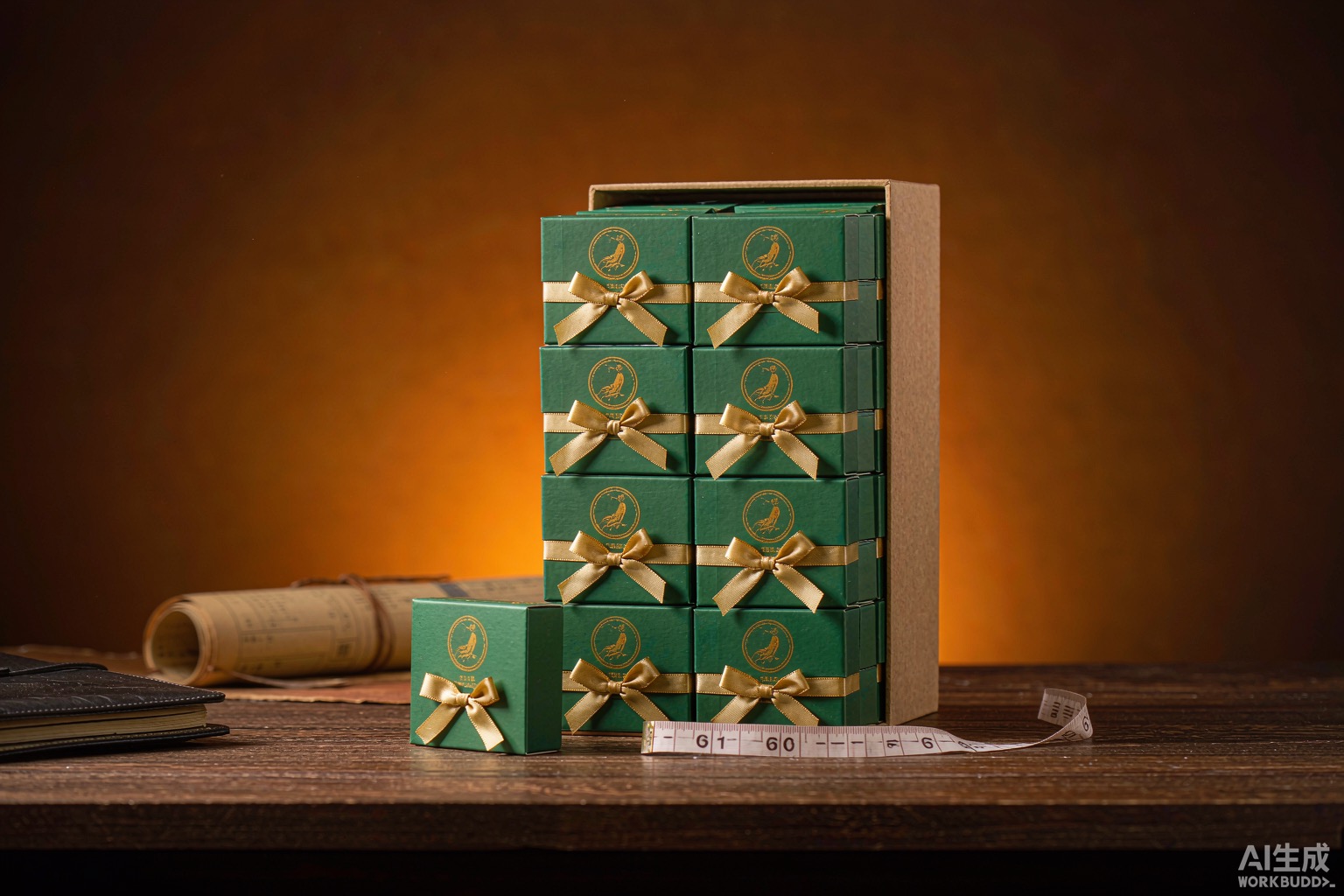
A small MOQ trial order for ginseng — starting at roughly 100 boxes, or US$600-2,500 in order value — is the smartest first transaction a new buyer can make: it validates product quality, supplier reliability, and market demand with minimal capital before committing US$10,000-50,000 to container volumes. Most first-time importers get this decision backwards, either accepting a supplier's full 1,000-3,000 box MOQ too early or demanding unrealistic minimums and alienating good factories. This guide shows how a 100-box trial works, what it costs, and how to structure it so the results actually predict scale-up success.
A trial order is an insurance policy priced at a few hundred dollars. Consider what a 100-box purchase tests that a quotation never can:
The economics also work because trial risk is asymmetric: losing US$1,500 on a failed trial is a lesson; losing US$40,000 on an unvalidated container is a business-ending event for many small importers.
Not all do, and knowing who does saves weeks of outreach. Use this landscape map:
| Supplier type | Typical minimum | Accepts ~100 boxes? | Notes |
|---|---|---|---|
| Trading companies | 50-200 boxes or US$500-1,000 | Yes, commonly | Higher unit price (10-25% premium); wider SKU choice |
| Mid-size OEM factories | 300-1,000 boxes per SKU | Sometimes, with conditions | Accept if bundled with other SKUs or at +15-30% unit price |
| Large manufacturers | 1,000-5,000+ boxes | Rarely | Reserve for scale-up after trial elsewhere |
| Stock-lot sellers | Whatever exists | Yes | Limited specs and shelf life; verify documentation |
| Sample-order programs | 10-50 boxes | Yes (paid samples) | True validation comes from the 100-box step, not samples alone |
Trading companies and stock lots are the natural first homes for a 100-box order. OEM factories move lower on the MOQ ladder when you buy multiple SKUs simultaneously — one hundred boxes each of three SKUs is a 300-box order, which many mid-size factories accept — a bundling tactic expanded in our how to negotiate MOQ with Chinese supplement factory guide. The full pathway from sampling to small production is described in our ginseng factory sample order process guide.
Budget the full landed experiment, not just the goods:
| Cost item | Typical range |
|---|---|
| Goods (100 boxes, standard extract drink or gift format) | US$450-1,800 FOB |
| MOQ premium (vs. 1,000-box pricing) | +15-30% unit price |
| Samples (1-3 rounds, often credited against order) | US$50-200 |
| International express for samples | US$50-150 |
| Sea LCL freight + destination charges | US$300-700 |
| Customs, duty, brokerage | Varies by market; see customs documents guide |
| Total trial investment | US$900-3,000 |
Compare that to the capital a full private-label launch ties up, modeled in our ginseng drink private label startup cost guide, and the trial's value is obvious. Note that LCL (less-than-container) freight carries proportionally high fixed charges — US$300-700 — which is why going below 100 boxes rarely saves meaningful money.
A trial without measurement is just a small purchase. Before ordering, define pass/fail criteria in writing — ideally in a simple trial agreement with the supplier:
Run the trial products with the same labeling and documentation you would use at scale wherever possible; a trial that sidesteps compliance tests nothing about your real launch.
Trials have a cost too — the 15-30% MOQ premium, slower per-unit economics, and four to eight weeks of elapsed time. Skip or shrink the trial when: you are reordering a validated SKU from an existing supplier; the product is a near-copy of something you already sell successfully; or a time-bound seasonal window (Black Friday, Chinese New Year, Dong Zhi) makes the trial's time cost exceed its information value. In those cases, a middle path — 300-500 boxes — captures most supplier terms benefits while keeping risk bounded.
Yes — through trading companies, stock-lot sellers, and some mid-size OEM factories, especially when you bundle multiple SKUs or accept a 15-30% unit-price premium. Large factories rarely go that low directly, but their trading arms often will.
Around 100 boxes (US$900-3,000 landed in total) is the sweet spot: enough units to gather meaningful sell-through data across 2-3 channels, few enough that failure costs little. Below 50 boxes, freight and handling erase the savings.
Reorder fast before the supplier's price or production calendar changes. A fast-selling trial is your best negotiating evidence for better pricing at 500-1,000 box volumes — present the sell-through data and lead with a commitment to scale.