← Back to TCM Global · All articles
2026-10-13
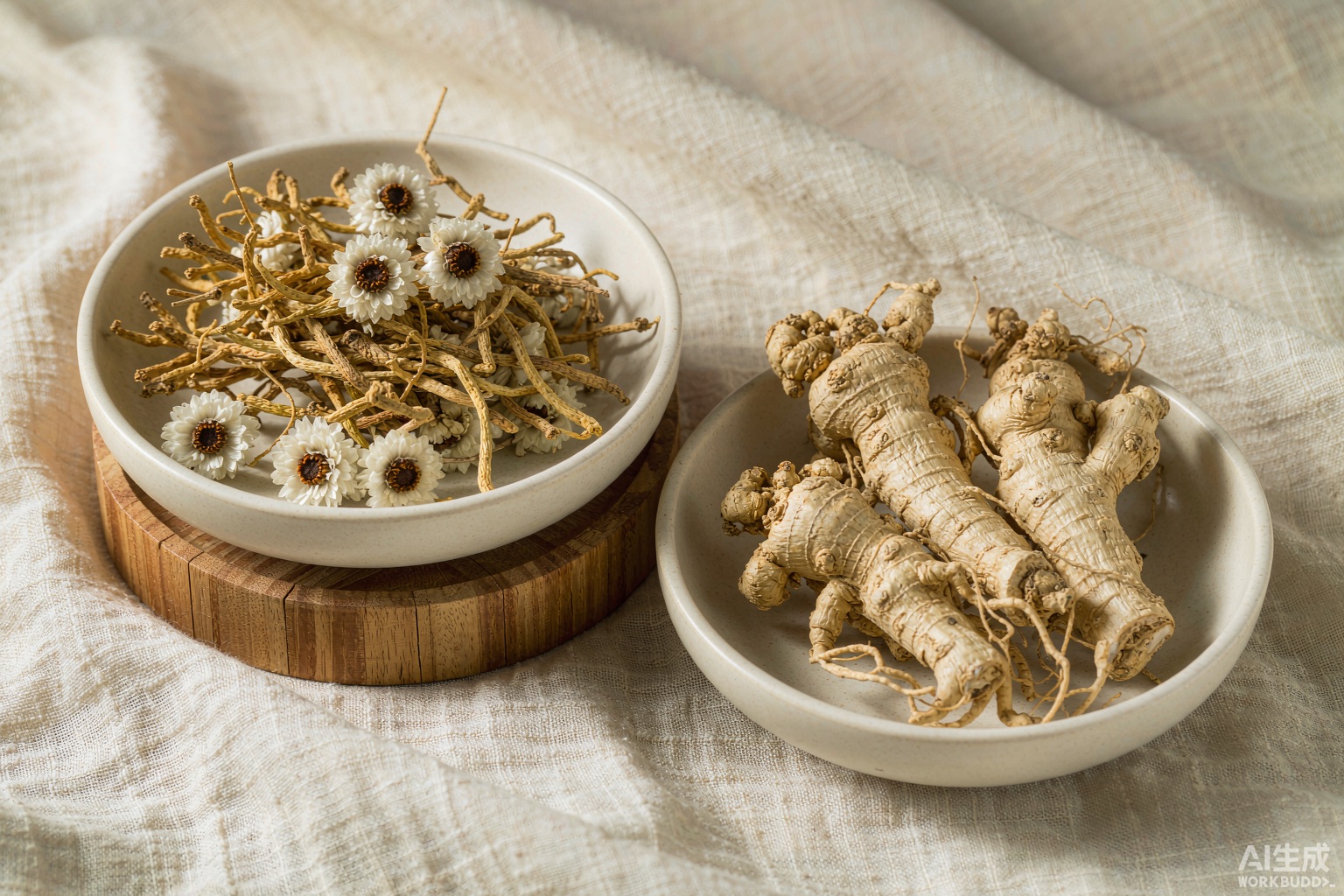
In the world of Traditional Chinese Medicine (TCM), few herbs are as revered as notoginseng and Asian ginseng. Both have been staples in Eastern wellness practices for centuries, yet they serve distinct purposes. Understanding the differences between notoginseng vs Asian ginseng can help you make informed choices for your holistic health routine. This article explores their origins, traditional uses, and key distinctions, all while maintaining a calm, premium perspective on these botanical treasures.
Notoginseng, also known as Panax notoginseng or San Qi, is a perennial plant native to the mountainous regions of Yunnan and Guangxi provinces in China. Its root is highly prized in TCM for its ability to promote healthy circulation and support the body's natural recovery processes. Unlike Asian ginseng, notoginseng is not typically used as a daily tonic but rather as a targeted herb for specific wellness needs.
In TCM theory, notoginseng is considered warm in nature and enters the Liver and Stomach meridians. It is often used to invigorate blood, disperse stagnation, and support tissue health. Modern research has identified unique saponins in notoginseng, such as notoginsenosides, which contribute to its distinct properties.
Asian ginseng, or Panax ginseng, is perhaps the most famous herb in TCM. Known as Ren Shen, it is native to Korea, China, and Siberia. Asian ginseng is classified as a superior tonic, meaning it is traditionally used to support overall vitality, energy, and resilience. It is considered warm and sweet, entering the Spleen, Lung, and Heart meridians.
Asian ginseng is often taken over longer periods to nourish the body's vital energy, or Qi. It is a staple in many premium wellness formulations and is valued for its adaptogenic qualities, helping the body cope with stress and maintain balance.
While both belong to the Panax genus, notoginseng and Asian ginseng differ in several important ways:
Notoginseng is primarily used for its blood-moving and stabilizing properties. It is not a tonic in the traditional sense; instead, it is employed when there is a need to promote circulation and support the resolution of stagnation. It is often used in formulas for minor injuries, bruises, and cardiovascular support.
Asian ginseng is a true tonic, used to strengthen Qi, boost energy, and enhance overall vitality. It is more suitable for long-term use to build up the body's reserves and improve resilience.
Both herbs contain ginsenosides, but their profiles differ. Notoginseng is rich in notoginsenosides, particularly Rg1, Rb1, and R1, which are associated with its blood-related benefits. Asian ginseng contains a broader range of ginsenosides, including Rg1, Re, Rb1, and Rc, which contribute to its adaptogenic and energizing effects.
In TCM, notoginseng is described as sweet, slightly bitter, and warm. Asian ginseng is sweet, slightly bitter, and warm as well, but its tonifying nature is more pronounced. Notoginseng is often taken in powder or capsule form, while Asian ginseng is commonly sliced and chewed, steeped as tea, or included in soups.
Notoginseng is generally not recommended for those who are pregnant or experiencing active bleeding, as it may affect blood clotting. Asian ginseng, being a warming tonic, may not be suitable for individuals with excess heat conditions or high blood pressure. Always consult a qualified TCM practitioner before starting any new herb.
When deciding between notoginseng and Asian ginseng, consider your wellness goals. If you seek to support circulation, recovery from physical exertion, or maintain healthy blood flow, notoginseng may be appropriate. If you aim to boost energy, enhance vitality, and build overall resilience, Asian ginseng might be the better choice.
At TCM Global, we offer premium, ethically sourced notoginseng and Asian ginseng products to support your journey. Our notoginseng is carefully harvested to preserve its potent compounds, while our Asian ginseng is available in various forms to suit your lifestyle.
Both herbs can be integrated into daily wellness rituals. Notoginseng powder can be added to smoothies or warm water, while Asian ginseng slices can be brewed into a soothing tea. Always follow recommended dosages and listen to your body's signals.
For a balanced approach, some TCM formulas combine both herbs to harness their synergistic effects. However, such combinations should be guided by a professional to ensure suitability.
Notoginseng and Asian ginseng are both treasures of TCM, each with unique strengths. Notoginseng excels in supporting circulation and recovery, while Asian ginseng is a premier tonic for energy and vitality. By understanding their differences, you can make informed decisions that align with your wellness path. Explore our collection at TCM Global to find premium herbal products that honor ancient traditions and support modern well-being.
*Note: This information is for educational purposes only and not intended to diagnose, treat, cure, or prevent any disease. Consult a healthcare professional before using any herbal supplement.*
Explore more Eastern wellness wisdom at TCM Global.