← Back to TCM Global · All articles
2026-10-25
Walk through a luxury mall in Dubai, Riyadh or Doha and you will see the same pattern: wellness retail expanding, spa culture thriving, and consumers increasingly willing to pay for premium products that support energy, balance and daily wellbeing. For traditional Chinese medicine (TCM) brands, the Gulf region has quietly become one of the most promising export destinations. Here is what buyers and distributors should understand about why — and how to enter well.
The Middle East wellness economy has been growing faster than the global average, driven by three forces:
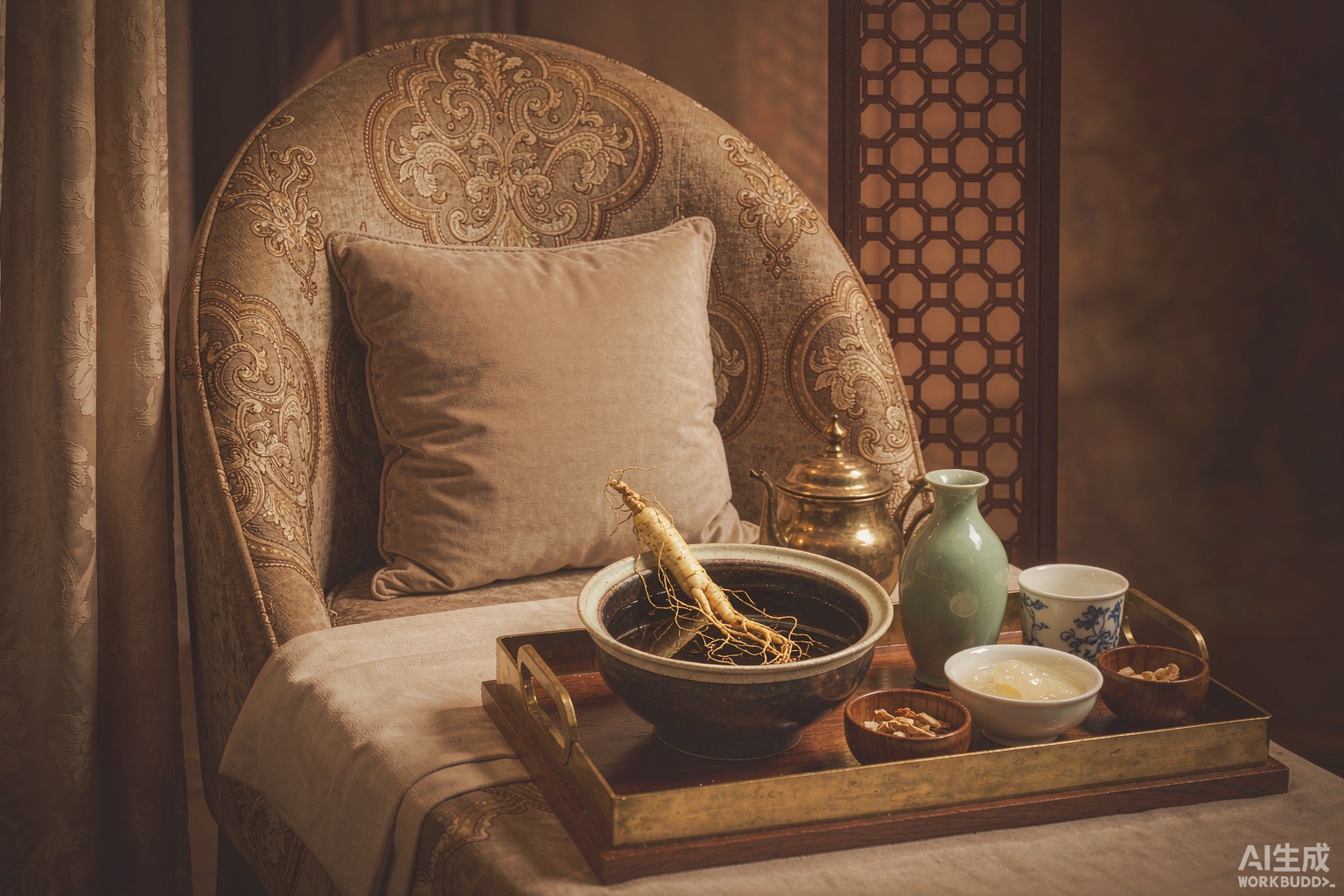
Importantly, this is not a market asking for "medicine". It is a market asking for premium daily rituals: tonics, herbal teas, beauty-from-within drinks, spa treatments and gift-worthy packaging. That is precisely where ginseng-based health food fits — positioned as tonic and nourishment, rooted in centuries of tradition, never as a treatment claim.
Distributors in the region typically serve four buyer groups:
1. Halal certification is the entry ticket. For ingestible products in the Gulf, halal certification of ingredients and production is not a nice-to-have; buyers ask for it in the first conversation. Build it into your sourcing requirements early.
2. The gift economy shapes packaging. A product that photographs beautifully and presents well in a box sells in this market. Warm tones, gold or amber accents, and bilingual (Arabic–English) labelling are the baseline of credibility.
3. Trust travels through people, not ads. Gulf trade runs on relationships. A brand introduced by a respected local partner, sampled at the right majlis or wellness event, moves faster than any digital campaign. Content marketing in Arabic helps — but nothing replaces a credible local voice.
The Middle East does not need convincing that wellness matters; it needs brands it can trust with its standards. TCM products — premium, natural, gift-ready, halal-certified — meet the moment. The brands that succeed will be the ones that arrive with documentation in order, packaging that respects the culture, and patience to build relationships before the first purchase order.
Note: product positioning must always follow local regulations — health food and tonic positioning, never medical claims.