← Back to TCM Global · All articles
2026-10-13
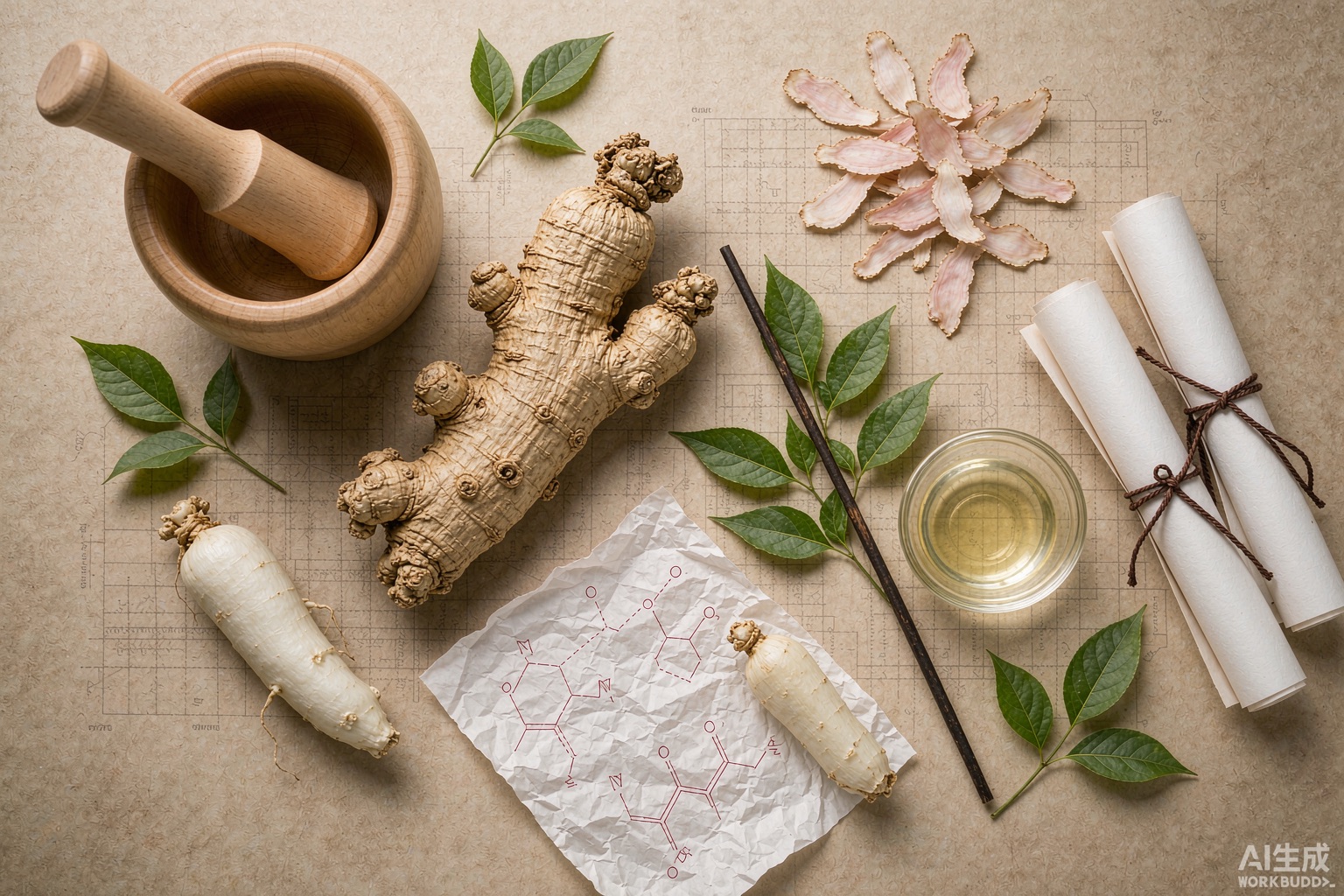
For thousands of years, ginseng has been revered in Eastern traditions as a root of renewal and vitality. At the heart of its reputed power lies a family of unique compounds called ginsenosides. These natural molecules are the subject of extensive modern research and the cornerstone of ginseng’s adaptogenic reputation. In this ginsenosides complete health guide, we delve into what they are, how they work, and why they matter for your wellness journey.
Ginsenosides are a class of steroid-like compounds known as saponins, found almost exclusively in plants of the *Panax* genus—Asian ginseng (*Panax ginseng*), American ginseng (*Panax quinquefolius*), and red ginseng (steamed and dried Asian ginseng). They are often considered the primary active constituents responsible for ginseng’s traditional health-promoting properties.
Chemically, ginsenosides are glycosides, meaning they consist of a non-sugar aglycone (the sapogenin) linked to one or more sugar molecules. This structure allows them to interact with various biological pathways in the body, contributing to their adaptogenic—or stress-modulating—effects.
More than 100 different ginsenosides have been identified, each with slightly different structures and potential activities. They are typically classified into two main groups based on their aglycone backbone:
Each ginsenoside may have unique effects, but they often work synergistically, which is why whole ginseng extracts are typically more valued than isolated compounds.
In Traditional Chinese Medicine (TCM), ginseng is classified as a Qi tonic—a substance that supports the body’s vital energy. It is used to fortify the spleen and lungs, calm the spirit, and promote overall resilience. The presence of ginsenosides is what TCM practitioners historically identified as the “active essence” of the root, although ancient texts described these effects in energetic terms rather than molecular ones.
This holistic view aligns with modern adaptogenic theory: ginsenosides help the body resist stressors and maintain homeostasis. While TCM does not use the term “ginsenosides,” the concept of a root that harmonizes bodily functions is deeply embedded in its philosophy.
Without making medical claims, we can explore how ginsenosides are thought to interact with the body:
These mechanisms are still being explored, and much of the research is preclinical. However, the growing body of evidence underscores why ginseng remains a cornerstone of wellness traditions worldwide.
Not all ginseng is created equal. The ginsenoside profile can vary based on:
When selecting ginseng products, quality and sourcing matter. TCM Global is committed to offering premium, authentic ginseng products that honor traditional wisdom and modern standards.
Ginseng can be enjoyed in various forms: teas, powders, tinctures, or capsules. Here are some gentle suggestions for incorporating it into your day:
As with any wellness practice, listen to your body. Ginseng is generally well-tolerated, but it’s always wise to consult with a healthcare professional if you have concerns or are taking medications.
Ginsenosides are more than just chemical compounds—they are the embodiment of ginseng’s enduring legacy. This ginsenosides complete health guide has only scratched the surface of their complexity and potential. By understanding these active components, you can make more informed choices about incorporating ginseng into your wellness regimen.
At TCM Global, we bridge ancient Eastern authenticity with modern quality. Explore our curated selection of ginseng products, crafted to support your journey toward balance and vitality. Discover the quiet power of ginsenosides—nature’s gift for resilient living.
Explore more Eastern wellness wisdom at TCM Global.