← Back to TCM Global · All articles
2026-10-30
# How to Choose a Ginseng Supplier Audit Checklist for Importers
Choosing a ginseng supplier comes down to a four-stage audit: verify legal documents, inspect the factory physically or by video, test product quality against specifications, and confirm traceability from raw root to finished box. Buyers who run this checklist systematically cut their defect and dispute rate dramatically compared to those who select on price alone. This article provides the full audit framework used in B2B ginseng sourcing, with pass/fail criteria for each item.
Documents are cheap to check and expensive to skip. Request the complete pack and verify each item:
| # | Document | What to verify | Pass criterion |
|---|---|---|---|
| 1 | Business license | Registered entity name, scope includes food/health products | Active, matches quotation header |
| 2 | Food Production License (SC) | Product category covers your SKU | Valid 5-year license, scope match |
| 3 | Export filing | Legal eligibility to export food | Present for direct-export suppliers |
| 4 | ISO 22000 / HACCP | Food safety system, certificate body, validity | Valid dates, recognized certifier |
| 5 | Recent COA (third-party) | Ginsenoside content, heavy metals, pesticide residue | Tested within 6-12 months, limits met |
| 6 | Origin documentation | Raw material source (farm/base location) | Specific region, e.g. Changbai Mountain area |
| 7 | Halal / organic certs (if claimed) | Certifier recognition in your market | Recognized body, current validity |
Any single failure is not automatically disqualifying, but two or more gaps in Stage 1 usually predict deeper problems. Cross-check that the factory address on the SC license matches the audit address — mismatches reveal trading companies or hidden subcontractors. For deeper reading, our guide to ginseng extract drink manufacturing licenses in China explains each certificate in detail.
A one-day on-site audit (or a 60-90 minute structured video call) should cover five zones in order. Ask to walk the actual flow, not the showroom.
Raw material storage. Look for temperature and humidity control (ginseng root stores best at roughly 0-5°C for fresh, cool-dry conditions for dried), segregation of batches by farm and harvest year, and pest-control records. If the warehouse smells strongly of moisture or the root sacks sit directly on the floor, note it as a finding.
Processing area. For red ginseng, steaming and drying equipment should look maintained and calibrated. For extract drinks, check the extraction tanks, filtration, filling line hygiene, and whether staff wear proper gowning. Capacity signals matter: a line bottling 10 ml vials at, say, 60-120 vials per minute can handle typical B2B order sizes without rush.
QC laboratory. The factory should have in-house HPLC for ginsenoside testing or a documented relationship with a third-party lab. Ask to see the HPLC instrument running and one recent chromatogram. A factory that claims lab capability but cannot show the instrument or a raw report is a significant red flag.
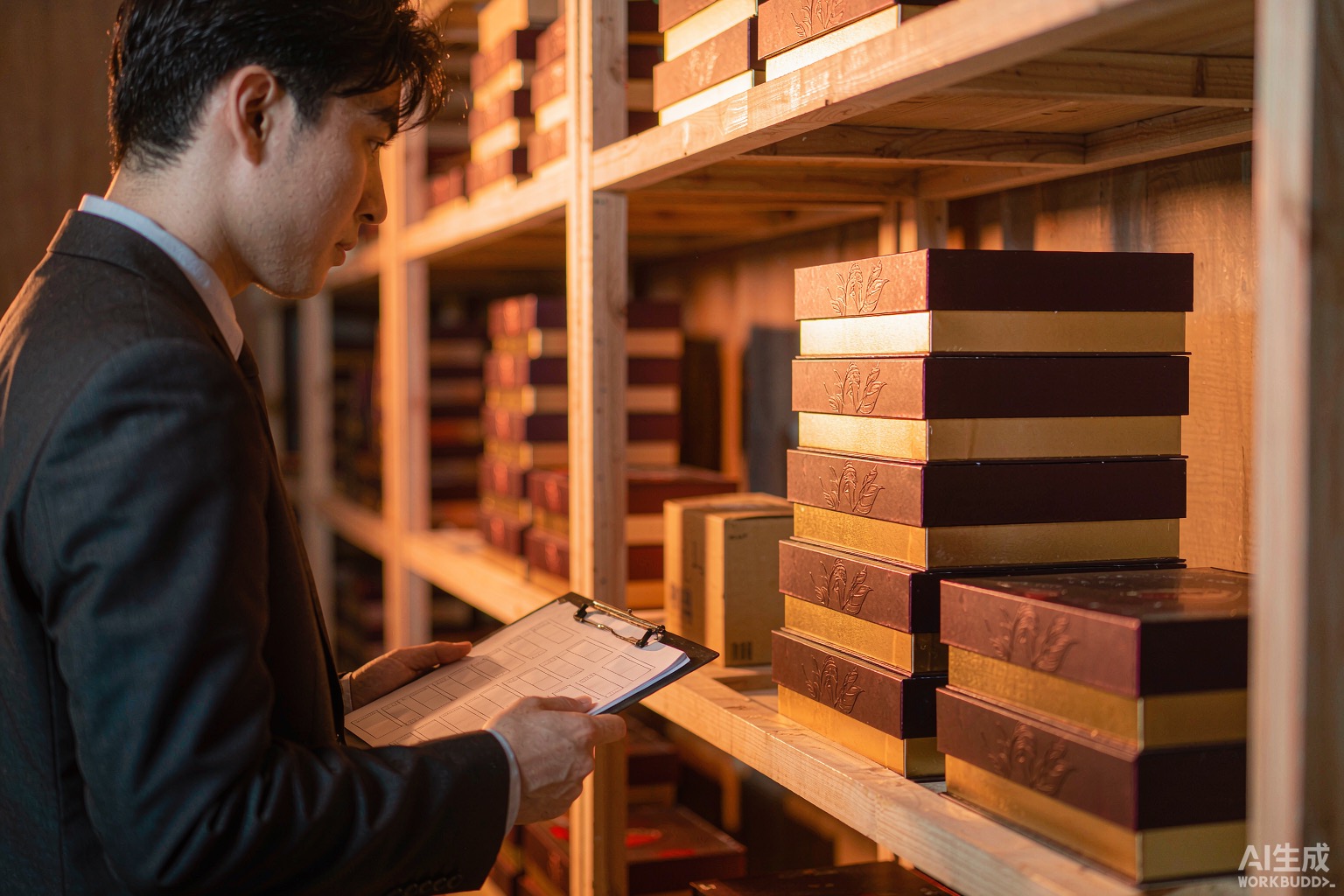
Finished goods warehouse. Check FIFO labeling, carton condition, and batch coding. Pull one finished carton at random and trace its batch number to a production record — this 5-minute exercise tests the traceability system better than any brochure.
Documentation room. Batch production records, cleaning logs, training records, and supplier qualification files for their own raw-material vendors. Mature factories have all of these; young ones have some; workshops have none.
If you cannot travel, hire a third-party inspection firm (USD 300-800 per day) or request a live, unedited video walkthrough. Our article on the ginseng factory sample order process covers the pre-audit sampling stage.
Documents describe intent; the product itself describes reality. Run these checks on samples from the audit batch, not showroom samples:
Traceability is where serious ginseng suppliers separate themselves. Ask the supplier to demonstrate, for a named batch: which farm supplied the root, which harvest year, which steaming/drying lot, and which production run filled your order. Suppliers with a digital traceability system can produce this in minutes with QR-coded batch records.
Finally, test communication responsiveness before any money moves: send three technical questions (one about pesticide residue limits, one about MOQ flexibility, one about label artwork). A supplier answering within 24-48 hours with specific, correct detail will behave the same way after you pay; vague or evasive answers predict future disputes.
It is a structured list of checks — legal documents, factory conditions, product testing, and traceability — run in stages before signing a supplier. A solid checklist includes verifying the SC license, ISO/HACCP certificates, third-party COAs, an on-site or video factory walk-through, blind lab testing of samples, and a batch traceability demonstration.
A third-party one-day audit typically costs USD 300-800 depending on the firm and location. For orders above USD 20,000-50,000, the audit is cheap insurance; buyers can also combine audits with a pre-shipment inspection for further savings.
Yes. Request a live, unedited video walkthrough covering raw material storage, the filling line, the QC lab, and the finished-goods warehouse, plus all license documents for registry verification. Remote audits are less conclusive than on-site visits but catch most misrepresentation when combined with blind sample testing.