← Back to TCM Global · All articles
2026-10-16
As the air turns crisp and the leaves begin to fall, nature invites us to slow down, turn inward, and prepare for the quieter months ahead. In Traditional Chinese Medicine (TCM), autumn is associated with the Metal element, the lungs, and the emotion of grief. It is a season of harvest, refinement, and letting go. To stay in harmony with autumn, TCM suggests nourishing the body with warming, grounding foods and herbs—and ginseng, often called the "king of herbs," plays a central role in seasonal wellness.
TCM views health as a delicate balance between the body and its environment. Each season brings a distinct energy, or qi, that influences our physiology and emotions. Autumn is a time of yin energy increasing as yang energy wanes. The lungs, which govern respiration and the immune system, are particularly vulnerable to dryness and cold. To protect the lungs and maintain vitality, TCM recommends consuming foods that are slightly sweet, warm, and moistening—such as pears, walnuts, and honey—and incorporating adaptogenic herbs like ginseng.
Ginseng (Panax ginseng) has been used for thousands of years in Asian medicine to support energy, resilience, and overall well-being. While modern science continues to study its compounds, known as ginsenosides, TCM offers a time-honored framework for using ginseng to harmonize with the season. Rather than a quick fix, ginseng is valued as a gentle, cumulative tonic that builds qi and strengthens the body's defensive energy, or wei qi.
Autumn's dryness can deplete the body's moisture, leading to dry skin, cough, and a sense of restlessness. At the same time, the transition from summer's heat to cooler temperatures can leave us feeling fatigued or unmotivated. Ginseng's warming nature helps counter the chill, while its ability to tonify qi supports steady energy without the jittery edge of stimulants. It is particularly beneficial for those who feel energetically depleted, have a weak constitution, or are recovering from illness.
However, TCM emphasizes balance. Ginseng is not a one-size-fits-all herb. Individuals with excess heat, high blood pressure, or acute inflammation should avoid it or use it cautiously. For most people, autumn is an ideal time to introduce ginseng in small, consistent doses—such as a few slices steeped in tea or a small spoonful of concentrated extract—to build resilience for winter.
There are many ways to enjoy ginseng while embracing the spirit of the season. Here are a few gentle suggestions:
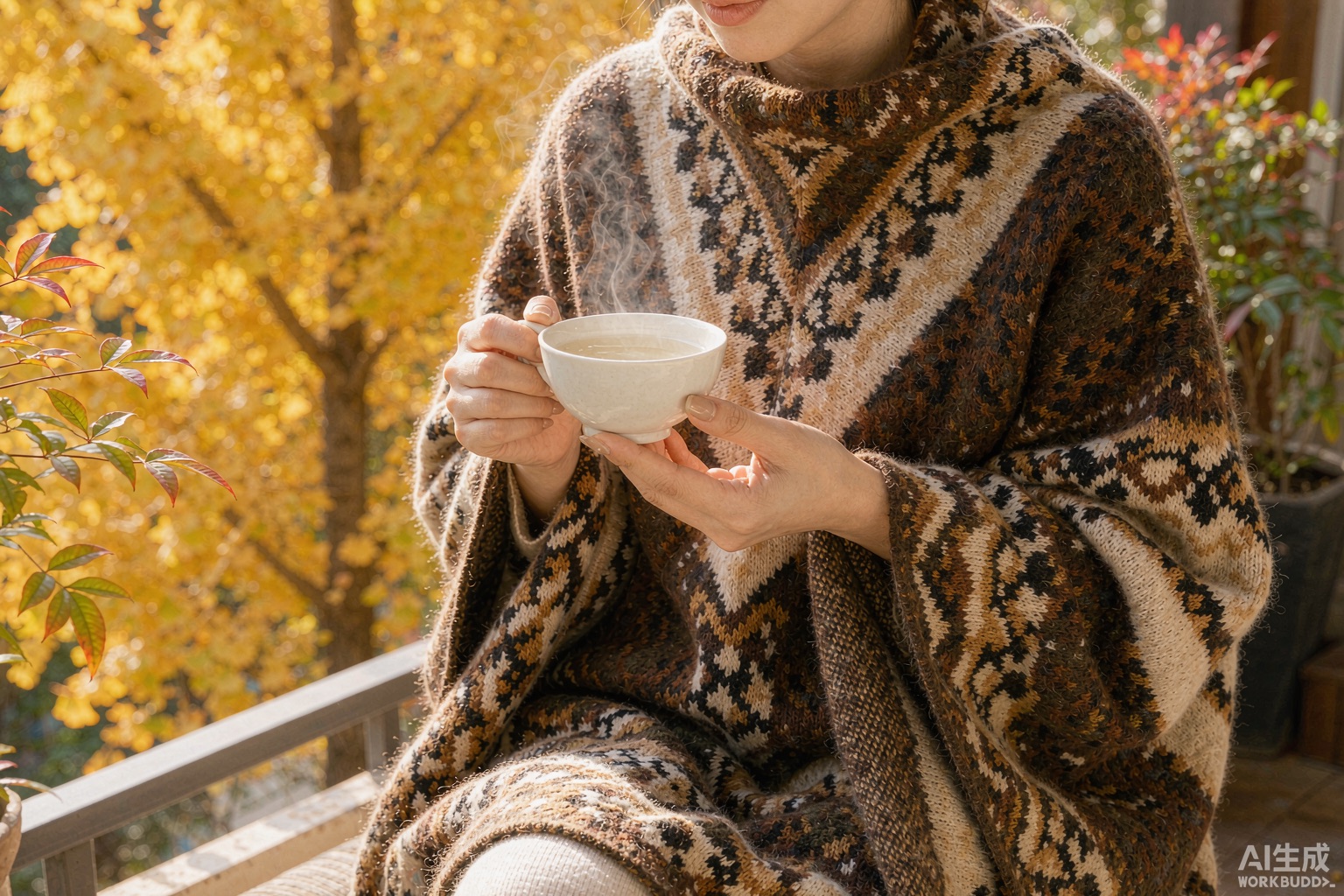
Start your day with a warm cup of ginseng tea. Simmer 2–3 thin slices of dried ginseng root in water for 10–15 minutes. Add a touch of honey or a slice of pear to enhance the moistening effect. Sip slowly, allowing the warmth to spread through your chest. This ritual can become a meditative pause before the day's demands.
Autumn is soup season. Add ginseng slices to a slow-cooked broth with shiitake mushrooms, ginger, and a handful of goji berries. This nourishing soup supports the lungs and immune system, making it a perfect evening meal as the temperatures drop.
For a simple, shelf-stable option, infuse raw honey with ginseng slices. Let it sit for a few weeks, then use a teaspoon in tea or drizzle over yogurt. The honey adds a soothing quality that complements ginseng's warming energy.
Pair ginseng with gentle exercise like tai chi or walking in nature. Autumn is also a time to prioritize sleep, going to bed earlier and rising with the sun. Ginseng can support this rhythm by promoting a sense of calm alertness during the day and deeper rest at night.
Not all ginseng is created equal. Look for whole roots that are firm, aromatic, and free from mold. Korean red ginseng (steamed and dried) is considered more warming, while white ginseng (simply dried) is milder. American ginseng (Panax quinquefolius) is cooling and often used in autumn to combat dryness—a good choice for those who tend to run hot. At TCM Global, we source premium ginseng products that honor traditional cultivation and processing methods, ensuring you receive the full spectrum of the herb's benefits.
Autumn is a precious window to reset and replenish. By aligning with the season's energy and incorporating ginseng thoughtfully, you can support your body's natural defenses and cultivate a deep sense of well-being. Remember, wellness is a journey, not a destination. As you navigate the changing leaves and cooler days, let ginseng be a gentle companion on your path to seasonal harmony.
*Note: This article is for informational purposes only and is not intended to diagnose, treat, or cure any disease. Always consult with a qualified healthcare practitioner before adding new herbs to your routine.*
Explore more Eastern wellness wisdom at TCM Global.