← Back to TCM Global · All articles
2026-10-13
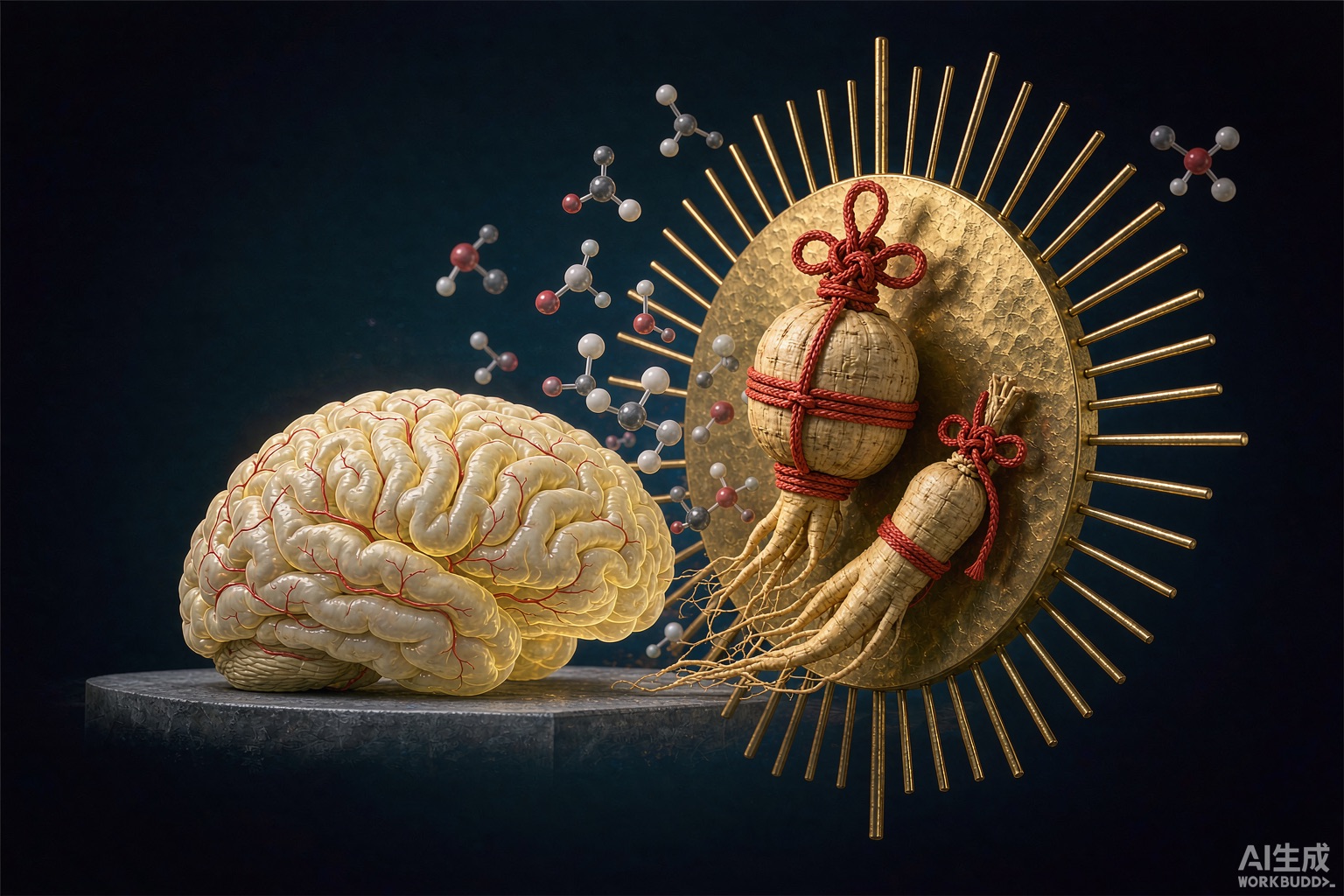
For thousands of years, ginseng has been revered in Traditional Chinese Medicine (TCM) as a potent tonic for vitality and longevity. Today, modern science is unveiling the molecular secrets behind its traditional uses, particularly focusing on ginseng saponins—bioactive compounds also known as ginsenosides. Among the most intriguing areas of research is the potential role of these saponins in stroke protection. While we do not make medical claims, the emerging studies offer a fascinating glimpse into how this ancient herb might support overall wellness in the face of neurological challenges.
Ginseng saponins are a class of steroid glycosides found abundantly in the roots of Panax ginseng and Panax notoginseng. These compounds are believed to be responsible for many of ginseng's adaptogenic properties. There are over 40 different ginsenosides identified, each with unique chemical structures and potential effects. In TCM, ginseng is thought to invigorate Qi, nourish the blood, and calm the spirit—actions that are now being explored through the lens of neuroprotection.
Stroke, a leading cause of disability worldwide, occurs when blood flow to the brain is disrupted, leading to oxygen deprivation and cell death. Research into ginseng saponins has shown promising neuroprotective effects in preclinical models. For instance, studies indicate that ginsenosides like Rb1, Rg1, and Rd may help reduce oxidative stress, inflammation, and apoptosis (programmed cell death) in neurons. These mechanisms are crucial in the aftermath of a stroke, where secondary injury can exacerbate damage.
One notable study published in the Journal of Ethnopharmacology found that ginsenoside Rb1 administration in animal models of stroke reduced infarct volume and improved neurological scores. Similarly, a review in Frontiers in Pharmacology highlighted that ginseng saponins could modulate multiple signaling pathways involved in neuroprotection, including the PI3K/Akt and MAPK pathways. While these findings are preliminary and mostly from animal or in vitro studies, they provide a scientific foundation for further investigation.
The potential protective effects of ginseng saponins are multifaceted:
These mechanisms align with TCM principles of promoting circulation and balancing bodily functions, though modern science continues to validate and refine our understanding.
In Traditional Chinese Medicine, stroke is often viewed as a disruption of Qi and blood flow, leading to obstruction in the meridians. Ginseng, particularly red ginseng, is used to tonify Qi and invigorate the blood, aiming to restore harmony. The saponins are considered the active constituents that carry these therapeutic actions. While TCM practitioners have long used ginseng formulas for recovery and prevention, it's important to note that TCM is a holistic system, and ginseng is rarely used in isolation. It is typically combined with other herbs to address individual constitutions.
As research continues, many wellness enthusiasts are incorporating ginseng into their daily regimens. At TCM Global, we offer premium ginseng products that honor traditional processing methods while meeting modern quality standards. Whether as a tea, extract, or capsule, ginseng can be a gentle addition to a balanced lifestyle. However, it's essential to approach ginseng as a wellness supplement, not a treatment for acute conditions like stroke. Always consult with a healthcare professional before adding any new herb to your routine, especially if you have underlying health conditions or are taking medications.
The study of ginseng saponins in stroke protection is a captivating example of how ancient wisdom and modern research converge. While we await more definitive human trials, the existing evidence suggests that these compounds possess neuroprotective potential worth exploring. At TCM Global, we are committed to bringing you the finest ginseng products, rooted in Eastern authenticity and backed by a spirit of inquiry. Embrace the wisdom of the East and let ginseng be a part of your journey toward holistic well-being.
*Disclaimer: This article is for informational purposes only and does not constitute medical advice. Ginseng products are not intended to diagnose, treat, cure, or prevent any disease.*
Explore more Eastern wellness wisdom at TCM Global.