← Back to TCM Global · All articles
2026-10-30
# Ginseng Products for Fitness and Sports Nutrition Market Guide
Ginseng is a natural fit for fitness and sports nutrition — one of the fastest-growing Western wellness segments — because its traditional stamina positioning slots directly into the adaptogen trend powering pre-workout and recovery products. For B2B buyers, the opportunity is to bring ginseng into formats gym consumers already buy: energy sticks, pre-workout powders, RTD recovery drinks, and chewables. This guide maps the product concepts, formulation benchmarks, channels, and the claims line you must not cross.
Sports nutrition has shifted from raw-bulk messaging toward "natural performance and recovery," and adaptogens are the narrative engine of that shift. Ginseng — with decades of traditional use and a substantial research literature on fatigue and endurance support — is among the most recognized adaptogens in Western consumer surveys, alongside ashwagandha and rhodiola. Industry reporting consistently places the global sports nutrition market in the tens of billions of US dollars with mid-to-high single-digit annual growth, and the natural/plant-based subsegment growing faster than the category average.
Ginseng's advantage in this aisle: consumers already associate it with energy and endurance, so education cost is near zero. Its challenge: dose-per-serving and taste, both solvable with the right format. The overlap with our broader wellness coverage is deliberate — this segment is one of the demand drivers in our finished ginseng products import trend analysis and a headline item in TCM wellness trends 2027.
| Concept | Format | Typical ginseng dose per serving | Companion ingredients | FOB cost per unit | Channel fit |
|---|---|---|---|---|---|
| Natural pre-workout stick | 5-10 g powder sachet | 200-500 mg extract (standardized) | Caffeine 75-150 mg, B vitamins, electrolytes | USD 0.15-0.35 | Gym retail, e-commerce |
| Sugar-free energy chew | 1-2 g tablet/gummy | 100-300 mg extract | B12, green tea caffeine or caffeine-free | USD 0.04-0.10 | Convenience, travel |
| Recovery RTD drink | 250-330 ml bottle | 500-1,500 mg extract | Electrolytes, BCAAs or plant protein | USD 0.40-0.80 | Gyms, convenience |
| Post-workout blend powder | 20-30 g tub serving | 300-800 mg extract | Protein, magnesium, ashwagandha | USD 0.50-1.20 | E-commerce, specialty retail |
Formulation notes that decide success: use a standardized extract with declared ginsenoside content so every serving is consistent (see our ginsenoside Rg1/Rb1 explainer); manage bitterness at doses above roughly 300 mg with citrus, berry, or honey profiles; and position caffeine pairing carefully — many sports buyers want a stimulant-free option, so a caffeine-free ginseng stick is a genuine differentiator rather than a compromise.
Sports nutrition is heavily policed, and this is where ginseng programs fail audits. Keep every claim in the lifestyle-support zone: "supports natural energy and stamina," "adaptogenic support for training days," "helps fight occasional fatigue." Never state or imply disease treatment, hormone effects, or guaranteed performance outcomes. In the US, structure/function claims require the standard FDA disclaimer; in the EU, permissible claims sit on a regulated list, so verify wording with your distributor before artwork. Banned-substance peace of mind matters to gym retailers too: request COAs covering pesticides and heavy metals per our lab report reading guide, and confirm the extract contains no undeclared stimulants — some cheap blends have historically spiked products with synthetic caffeine.
The manufacturing paths mirror other ginseng formats. Powder sticks and chewables run on common supplement OEM lines with MOQs in the 30,000-100,000 unit range; RTD recovery drinks need dedicated beverage lines with higher MOQs (100,000+ units) and longer lead times. Licensing requirements on the factory side are the same as any supplement production — our China manufacturing licenses guide covers what to verify. A realistic first-order economics snapshot for a pre-workout stick program:
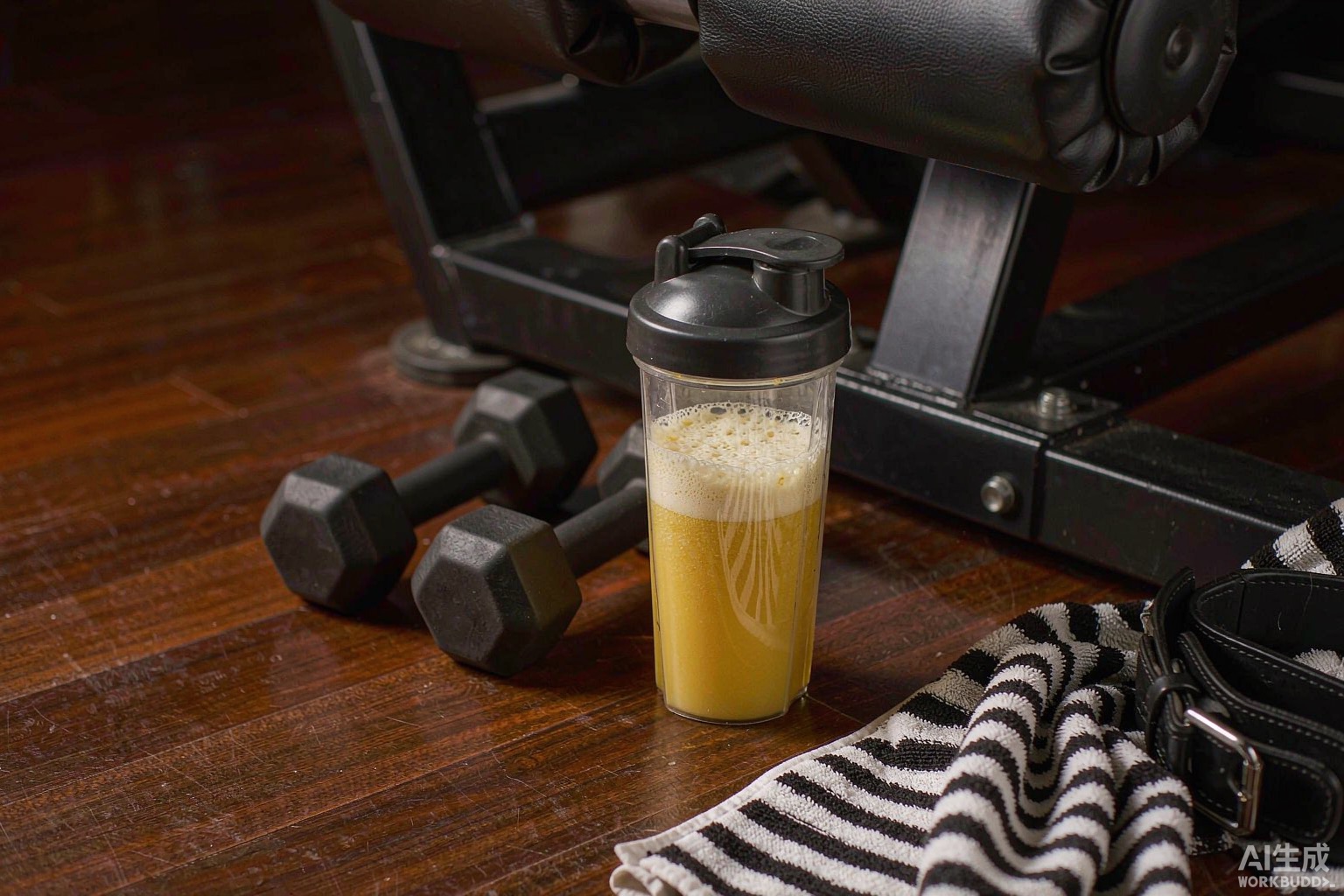
Convert in this order: e-commerce first (searchable demand, review accumulation, subscription-friendly — our wellness subscription box retention tactics apply directly); gym and studio partnerships second (sampling at launch, staff talking points, resale margin of 40-50%); convenience and travel retail third (the chew format fits grab-and-go). If you operate cafés or juice bars adjacent to fitness districts, a ginseng "wellness shot" add-on bridges retail and foodservice, following the menu logic in our ginseng drink café menu article. For marketplaces, the imagery rules in our product photography for e-commerce listings guide apply with one sports-specific note: lifestyle shots should show training contexts (gym bag, post-run, yoga studio) rather than generic wellness scenes.
Yes, from a market-fit standpoint: ginseng is one of the most recognized adaptogens among Western fitness consumers, with traditional use and research literature centered on fatigue and endurance support. Formulate with standardized extract at 200-1,500 mg per serving depending on format, and keep claims in the "supports energy and stamina" lifestyle zone.
Most ginseng pre-workout sticks deliver 200-500 mg of standardized extract per serving, often paired with 75-150 mg caffeine and B vitamins. Caffeine-free versions usually raise the ginseng dose toward the 400-800 mg range to compensate with a purely adaptogenic story.
Use structure/function language — "supports natural energy," "helps fight occasional fatigue" — with the required FDA disclaimer in the US, and EU-permitted wording where applicable. Avoid any disease-treatment, hormone, or guaranteed-performance claims, and back the formula with third-party COAs covering contaminants and confirming no undeclared stimulants.