← Back to TCM Global · All articles
2026-10-30
# Ginseng Product Photography for E-Commerce Listings That Converts
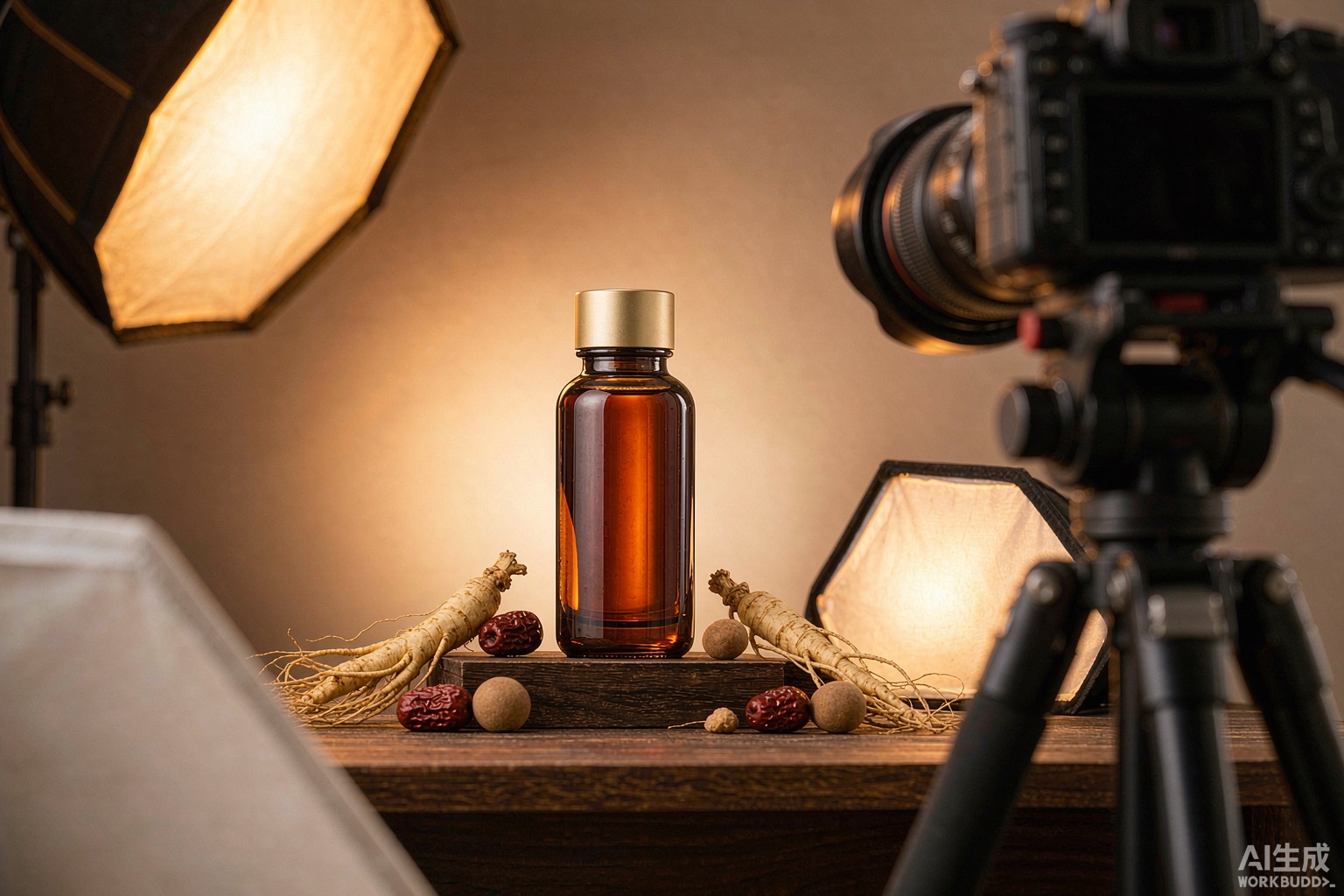
Winning ginseng product photography for e-commerce listings combines a clean hero image, macro ingredient shots, and lifestyle context — typically 5-8 images per listing — shot under consistent, diffused lighting. On platforms like Amazon, listings with professional image sets convert at roughly 2-3 times the rate of single-photo listings, and in the supplement category, where buyers cannot taste the product before purchasing, image quality does much of the persuasion that sampling would do offline.
A complete listing image set answers the buyer's questions in sequence: What is it? What's inside? Why trust it? How do I use it? A proven structure:
For gift-oriented SKUs ahead of Chinese New Year or Q4 holidays, image 8 becomes the conversion driver; see our guide to ginseng holiday gift box B2B launches for seasonal positioning.
You do not need a studio to shoot health products well, but consistency matters more than gear. The table below maps budgets to outcomes:
| Tier | Equipment | Approx. cost | Best for |
|---|---|---|---|
| Starter | Smartphone (recent model), light tent, 2 LED panels, tripod | USD 100-250 | Marketplace sellers, small catalogs |
| Standard | Entry DSLR/mirrorless + 50-60 mm macro lens, softboxes, turntable | USD 1,000-2,500 | Brands with 20+ SKUs |
| Professional | Full-frame camera, tethered setup, studio, retouching workflow | USD 5,000-15,000+ (or USD 30-80 per image outsourced) | Premium brands, video content |
Whichever tier you choose, lock three constants: camera height and angle, lighting position, and background color. Catalogs where every product sits at the same angle read as professional; mixed-angle catalogs read as amateur regardless of resolution.
Ginseng products have specific photographic challenges worth planning for:
Amazon: main image pure white background, no logos or text overlays on the primary image, minimum 1,000 px on the longest side (1,600 px recommended for zoom), product filling 85% of frame. Supplementary images may include text, lifestyle scenes, and infographics.
TikTok Shop and social commerce: images matter less than short video, but the same visual rules apply; see our playbook for selling TCM products on Amazon and TikTok Shop.
One compliance note: photograph real product, and keep any overlay text factual (origin, content, format) rather than health claims. Claims like "cures fatigue" in image text violate platform policies faster than the same words in a description, because image text is machine-scanned. Frame wellness benefits through lifestyle imagery — energy, focus, daily ritual — and let the visual do the implying.
If you have fewer than 10 SKUs and one marketplace, start DIY with a light tent setup; you can produce acceptable listing images in a weekend. If you run 20+ SKUs, private-label variants, or premium gift sets, outsource: professional product photography runs USD 30-80 per image in most markets, so a full 8-image set for one hero SKU costs roughly USD 250-650 — recoverable with a 1-2% conversion improvement on even a modest monthly volume. A hybrid works well for most B2B importers: outsource hero and lifestyle images once, then shoot pack-shot variants in-house as SKUs multiply.
Aim for 6-8 images: a white-background hero, ingredient macro, scale reference, label panel, usage scene, lifestyle shot, trust graphic, and gift/bundle framing. Marketplaces like Amazon support up to 9, and complete image sets measurably outperform thin listings.
Yes, if you control lighting. A recent smartphone plus a light tent, two LED panels, and a tripod produces marketplace-quality pack shots for USD 100-250 in equipment. Consistency of angle and lighting across the catalog matters more than camera tier.
The main image needs a pure white background (RGB 255,255,255), no text or graphics, the product filling at least 85% of the frame, and a minimum 1,000 px longest side (1,600 px for zoom). Secondary images can include lifestyle scenes and informational graphics.