← Back to TCM Global · All articles
2026-10-18
For generations, ginseng has held a place of honor in Eastern wellness traditions—treasured as a slow, steady tonic for the body during seasons of demand. In 2025, that ancient regard found a modern echo. A newly updated clinical guideline on post-operative nutrition has added high-bioavailability ginseng saponins to its list of considered nutritional elements, drawing fresh attention to a root that has nourished recovery rituals for centuries.
At TCM Global, we see this as a meeting point rather than a turning point: where traditional wisdom and contemporary nutrition research finally sit at the same table. This article explores what the guideline language means, why bioavailability matters, and how ginseng fits into a calm, considered approach to post-operative wellness.
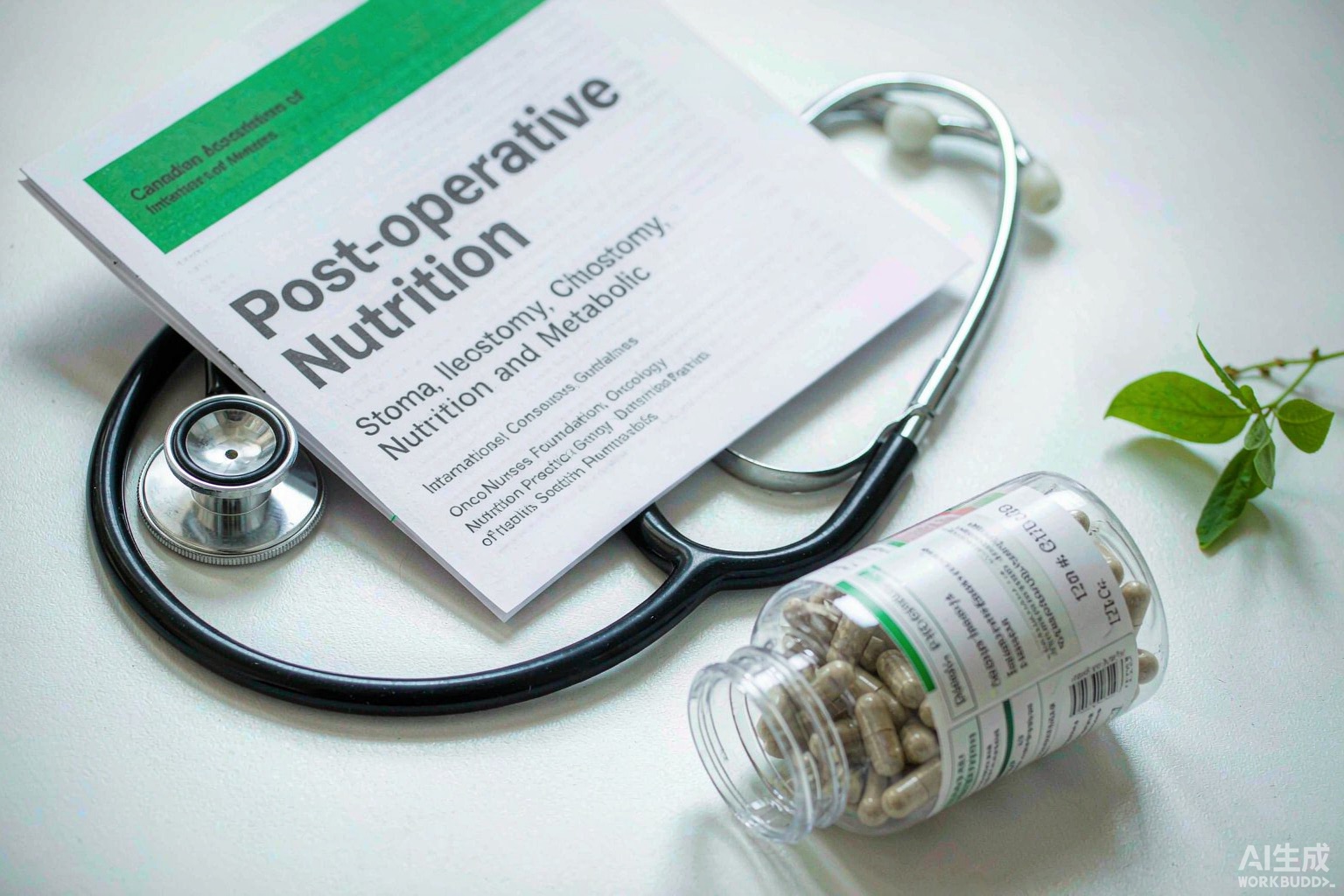
Clinical nutrition guidelines are living documents, revised as evidence accumulates. The 2025 update introduced ginseng saponins—the active compounds concentrated in the root—into its discussion of nutritional support during the post-operative period. Importantly, the guideline frames this as *nutritional consideration*, not treatment. It acknowledges the long-standing use of ginseng in East Asian dietary traditions and the growing body of research into how its compounds behave in the body.
This distinction matters. The guideline does not position ginseng as a replacement for medical care, nor does it make clinical claims about outcomes. Instead, it recognizes that thoughtful nutrition—including traditional botanicals with a well-documented heritage—belongs within a holistic recovery conversation, alongside protein, hydration, micronutrients, and rest.
If you have followed ginseng research at all, you know the recurring challenge: not all ginseng is absorbed equally. Ginseng saponins (ginsenosides) are large, complex molecules, and the body's ability to take them up varies widely depending on how the root is prepared and delivered.
"High-bioavailability" describes formulations designed to improve absorption—through extraction methods, conversion processes that break saponins into more readily absorbed forms, or delivery formats that support uptake. This is where the 2025 guideline's wording becomes meaningful. It signals a move away from generic "ginseng" references toward specificity: which compounds, in what form, and with what absorption profile.
In traditional practice, this mirrors an old principle—preparation is as important as the ingredient. A carefully decocted root was never the same as a hastily brewed one. Modern bioavailability science is, in a sense, catching up with what Eastern herbalists intuited: how you prepare a botanical shapes what the body receives.
Western readers often encounter ginseng framed as an "energy booster." The traditional understanding is gentler and more nuanced. In classical Eastern wellness, ginseng is classified as a tonic—a substance associated with replenishing and supporting the body's vital resources over time, particularly during periods of depletion or recovery from strain.
This framing is especially relevant to the post-operative context, where the body is in a state of significant demand. Traditional wellness approaches emphasize:
Seen through this lens, ginseng is not a shortcut to recovery but a companion to it—one element in a broader pattern of nourishment and rest.
If the guideline has sparked your curiosity, approach ginseng with the same care you would give any wellness decision. A few grounding principles:
The 2025 guideline's inclusion of high-bioavailability ginseng saponins is a small but telling moment: a modern scientific framework making room for a root that Eastern wellness has tended for millennia. At TCM Global, we believe the most grounded path forward is neither blind tradition nor narrow science, but a calm conversation between them.
As you consider your own wellness rituals—whether during recovery or simply in daily life—we invite you to explore ginseng with curiosity and care. Our collection of thoughtfully sourced, high-bioavailability ginseng products is designed to honor both the heritage of the root and the precision of modern preparation.
*This article is for general wellness education only and is not medical advice. Always consult a qualified healthcare professional regarding post-operative nutrition and before adding any supplement to your routine.*
Is ginseng recommended after surgery?
The 2025 guideline lists high-bioavailability ginseng saponins as a considered nutritional element. Individual suitability should always be discussed with your healthcare team.
What does high-bioavailability mean?
It refers to preparation methods that improve how readily ginseng saponins are absorbed by the body.
How does Eastern tradition view ginseng?
Traditionally, ginseng is regarded as a gentle tonic for supporting the body during periods of demand—emphasizing consistency, balance, and rest.
Explore more Eastern wellness wisdom at TCM Global.