← Back to TCM Global · All articles
2026-10-19
In the classical texts of the East, vitality was never treated as something you simply possess—it was something you *cultivate*. The body was seen as a landscape where rest, rhythm, and plant allies quietly shape how energy moves through us. Modern science has begun to lend a new vocabulary to this old intuition, and few conversations are as fascinating as the intersection of ginseng epigenetics, DNA demethylation, and natural killer (NK) cells.
This is wellness, not medicine. Yet it is wellness with real substance—an invitation to understand why this ancient root remains central to so many traditions of vitality.
Natural killer cells are part of the innate immune system, the body's first and fastest line of defense. Unlike other immune cells that need to be introduced to a specific threat, NK cells respond to patterns—surveying the body continuously, patrolling for cells that have gone off-script.
In wellness language, we might think of them as evening sentries: quiet, alert, and always on duty. Lifestyle, rest, stress, and supportive botanicals all influence how gracefully this surveillance system functions.
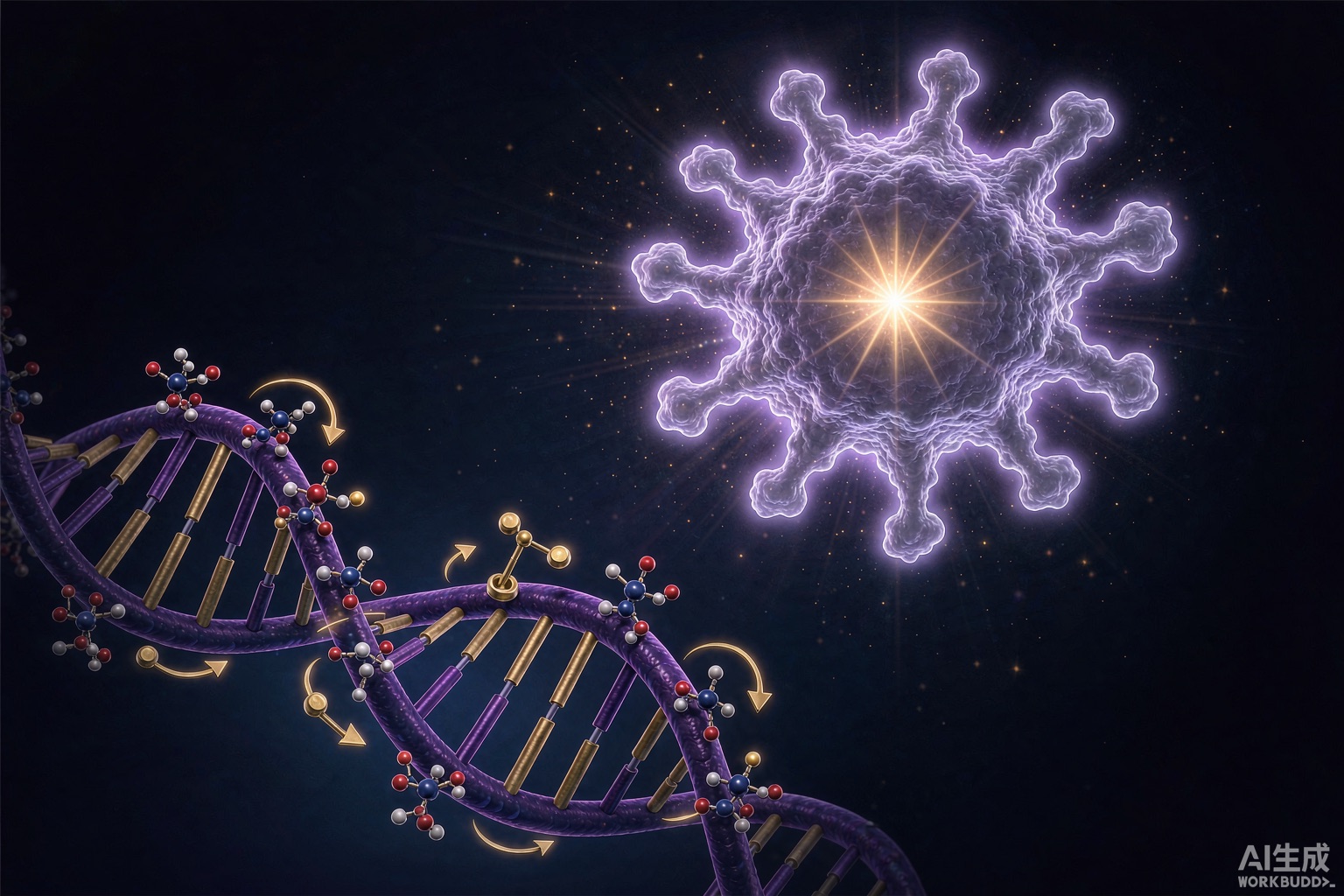
Epigenetics describes the chemical marks that tell genes when to speak and when to stay quiet. The DNA itself doesn't change—the *instructions about how it is read* do. If DNA is the library, epigenetics is the librarian, deciding which books are open and which remain on the shelf.
One of those chemical marks is the methyl group. When it sits on DNA (methylation), it often dims a gene's expression. When it is removed (demethylation), expression can brighten. This balanced dance matters for cells throughout the body, including immune cells.
Ginseng—particularly *Panax ginseng* and its signature compounds, the ginsenosides—has been studied for decades in the context of immune function and epigenetic regulation. Researchers have observed in laboratory and cell studies that ginsenosides can influence demethylation patterns, including within genes tied to immune activity. In other words, ginseng appears to interact not just with immune cells directly, but with the *instructions* those cells follow.
This is where ginseng epigenetics becomes a genuinely intriguing story. It suggests that the root may act in part by helping to "unlock" certain genes that support natural killer cell responsiveness—orienting the body's defenses toward alertness rather than sluggishness.
A measured word here: much of this work is early. Cell studies are not the same as lived experience, and no botanical should be framed as a treatment. What we can say with integrity is that ginseng's reputation for supporting vitality is now being explored with more nuance than ever, and epigenetics offers one of the most elegant explanations for why that reputation persists across cultures and centuries.
If methylation quieted genes, demethylation reopens the door. In the NK cell context, encouraging healthy demethylation in the right genes can mean that the cellular machinery for patrolling and signaling is more readily available—a kind of biological readiness.
Think of it as the difference between a sleeping household and one that leaves a lamp on. Nothing dramatic happens—no alarm bells—but the space is prepared, watchful, and responsive.
This is why the phrase *demethylation wakes up natural killer cells* has caught the imagination of wellness researchers. It beautifully echoes the Eastern idea of *awakening* the body's natural resources rather than forcing them.
Wisdom without ritual rarely lasts. If you want to honor this insight, keep it simple:
Ginseng epigenetics is a young field, but its spirit is old: the understanding that vitality is dynamic, responsive, and cultivated. Plant allies such as ginseng have walked with people through generations of health, offered softly alongside quality sleep, nourishing food, and steady rhythms. As the science deepens, perhaps the most beautiful lesson remains the Eastern one—strength is not summoned. It is tended.
For a considered selection of ginseng and allied botanicals, TCM Global continues to bring a calm, authentic approach to everyday wellness.
Explore more Eastern wellness wisdom at TCM Global.