← Back to TCM Global · All articles
2026-10-18
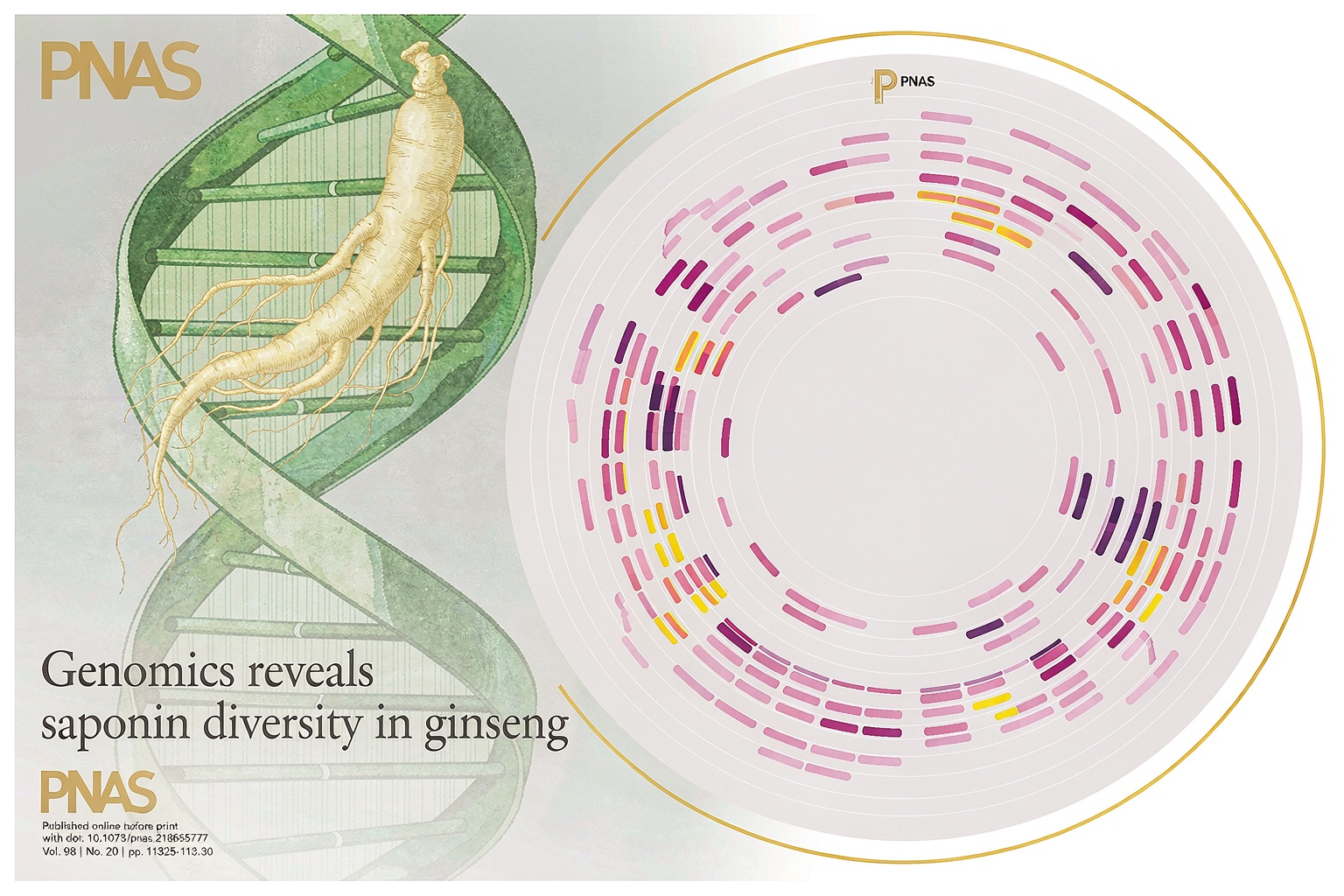
For centuries, ginseng has been the most revered root in Eastern wellness traditions. Grown in shaded mountain forests, aged for years, and offered with care, it represents patience in an increasingly hurried world. Yet behind the gentle mystique of this botanical sits a fascinating scientific narrative—one that recently received remarkable clarity from a genomics study published in *PNAS*.
The research offers an unprecedented look at how ginseng was domesticated over generations, and how that long relationship with cultivators shaped the remarkable diversity of ginsenosides—the naturally occurring compounds long associated with ginseng's character and quality. At TCM Global, we believe understanding this story deepens appreciation for the root itself.
The *PNAS* research examined the genomic makeup of cultivated ginseng alongside wild and semi-wild populations. Rather than a single, uniform plant, ginseng emerged as a complex family shaped by geography, human selection, and time.
Key takeaways include:
In essence, the science gives elegant language to an old intuition—that ginseng is not one thing, but many, each shaped by the hands and lands that raised it.
Ginsenosides are central to how ginseng is understood in traditional wellness practice. Rather than a single active feature, they form a spectrum—different varieties express different balances, much as tea leaves reflect their terroir.
For the modern wellness seeker, the *PNAS* findings carry a practical, quiet message:
This is not about proving a health effect. It is about recognizing that ginseng, like fine wine or aged tea, deserves thoughtful sourcing and considered reverence.
TCM Global has always positioned traditional wisdom and scientific inquiry as companions rather than rivals. The *PNAS* study exemplifies this balance. It does not diminish the traditional understanding of ginseng—it enriches it.
For centuries, cultivators made careful observations: which roots matured gracefully, which resisted hardship, which carried a certain quality of presence. Modern genomics now offers another lens on those same questions. The result is not a replacement of tradition, but a deeper respect for the practice that carefully domesticated this plant over generations.
We see this as part of a broader movement in wellness—one that favors transparency, provenance, and thoughtful sourcing over passing trends. Understanding where a root comes from, how it was grown, and which variety it embodies is a quiet form of wellness literacy.
If this research sparks curiosity, consider exploring ginseng with a spirit of gentle attention:
The *PNAS* genomics study reminds us that ginseng is not a static tradition but a living lineage—one shaped by soil, season, selection, and time. Its ginsenoside diversity tells the story of generations of patient cultivation.
At TCM Global, we find something quietly reassuring in that story. In a world of shortcuts, ginseng asks for patience. And now, science helps us see the depth of what that patience produced—root by root, variety by variety, year by year.
*This content is for general wellness education only and is not intended to diagnose, treat, or prevent any disease.*
Explore more Eastern wellness wisdom at TCM Global.