← Back to TCM Global · All articles
2026-10-30
# Ginseng Daily Dosage Safety: How Much Ginseng Is Safe Per Day?
Most research summaries and product labels place safe daily ginseng intake at 200-400 mg of standardized extract (typically 1-4% total ginsenosides) or 0.5-2 g of dried root, usually taken in cycles of 2-8 weeks rather than continuously year-round. Consumers should start at the low end, take ginseng earlier in the day, and consult a healthcare professional before combining it with prescription medication. This guide gives retailers and brands the reference ranges needed for responsible consumer education.
Dosage depends on the form, because concentration varies enormously:
| Form | Common Daily Amount | Notes |
|---|---|---|
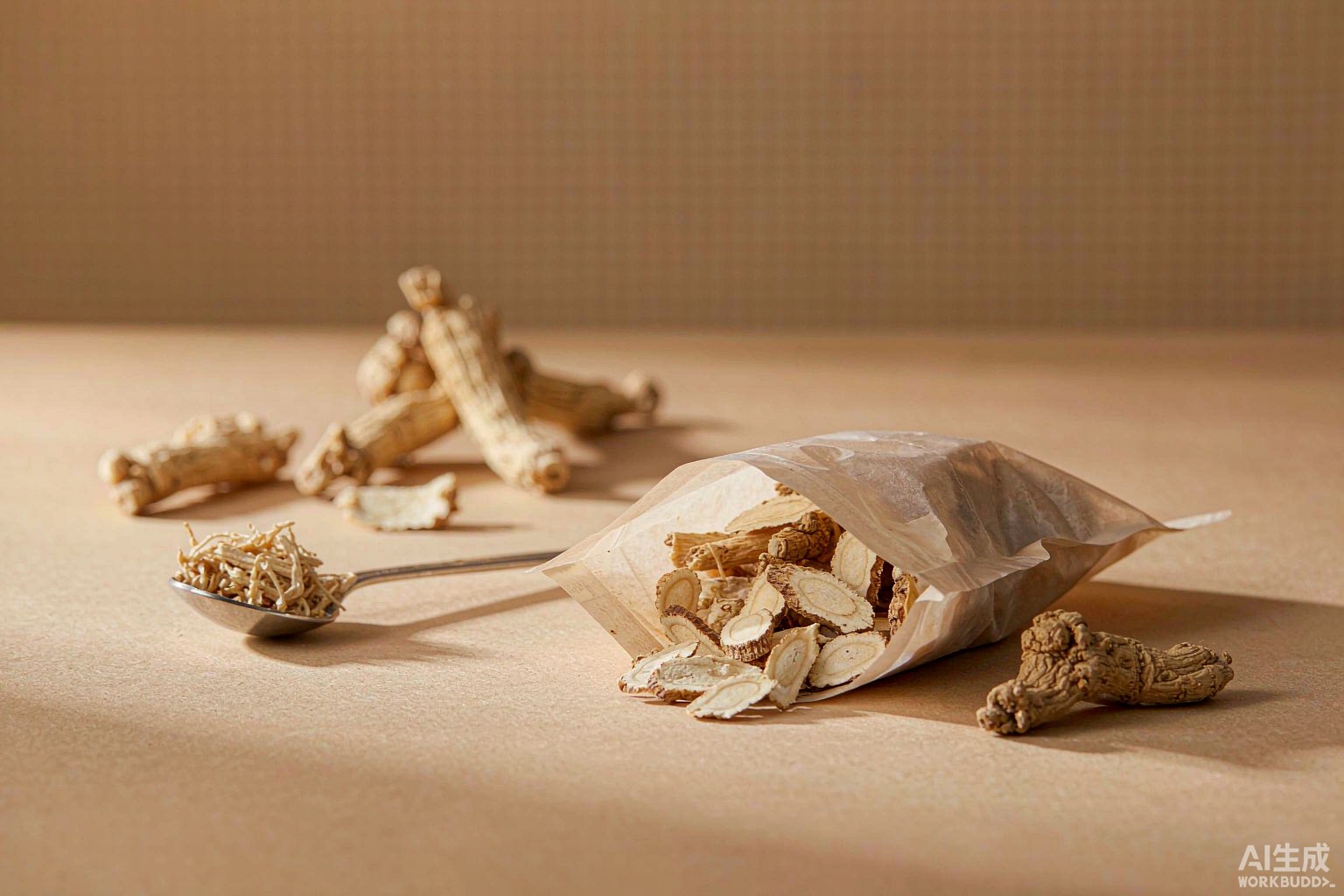
| Dried root (tea/slices) | 0.5-2 g | Traditional preparation; simmered or steeped |
| Standardized extract (1-4% ginsenosides) | 200-400 mg | Most capsules and tablets |
| Concentrated extract (higher %) | 100-200 mg | Check label for ginsenoside content |
| Liquid ampoules (10-30 ml) | 1 vial per day | Follow product's standardized dose |
| Red ginseng extract (concentrated) | 1-3 g of extract | Often divided morning/noon |
These ranges reflect amounts commonly used in studies and on commercially sold labels; they are not medical advice, and national regulations on recommended doses vary by market.
Traditional practice and modern usage patterns both favor cycles — commonly 2-8 weeks of daily use followed by a 1-2 week break — with the view that sustained continuous use may blunt perceived effects. Whether framed as tradition or preference, cycling is a label-friendly, consumer-friendly practice that brands can communicate without making medical claims.
Practical guidance that brands can safely include in consumer education:
Compliance-safe labeling generally includes:
| Label Element | Best Practice |
|---|---|
| Suggested use | Specific dose, timing, and cycle (e.g., "1 vial daily for up to 8 weeks") |
| Disclaimer | "Not intended to diagnose, treat, cure, or prevent any disease" (US); market equivalents |
| Warnings | Medication interactions, pregnancy/nursing, age limits (often 12-18+ depending on market) |
| Standardization | State ginsenoside content explicitly (e.g., "Rg1 + Rb1 ≥ 5 mg per vial") |
Explicit standardization also protects you commercially — our guide to ginsenoside Rg1/Rb1 content explains how dose and COA values must align. For product durability questions that affect dose integrity over time, see shelf life of ginseng extract drinks.
Staff training should cover the frequent questions: can I take ginseng with coffee (usually yes, monitor personal tolerance), can children take it (most labels say no below age 12-18), and can I take it every day forever (recommend the labeled cycle instead). Consistent, cautious answers build trust and reduce liability.
There is a clear line between consumer education and prohibited claims. Safe language describes tradition and consistency: "traditionally used to support vitality," "one vial daily as part of your morning routine," "follow a cycle of 2-8 weeks with a break." Prohibited language describes treatment or outcomes: anything referencing diseases, "cures," "treats," "prevents," or promising specific physiological results. The safe framing communicates value just as effectively — consumers accept ritual and tradition messaging — while keeping the brand clear of regulatory and platform penalties.
Practical implementation: build a claims matrix for your market (US, EU, and GCC rules differ in detail) listing approved phrases and banned phrases, and require everyone who writes packaging, listings, or ads to use it. Have a regulatory reviewer sign off on any new phrase before it ships. Brands that maintain this discipline avoid the relabeling and delisting events that regularly cost importers USD 10,000-50,000 in rework and lost sales.
Within labeled dose ranges (200-400 mg standardized extract or 0.5-2 g dried root daily), short-to-medium term daily use is the pattern most commonly used in studies and commercial products. Most manufacturers recommend a break after 2-8 weeks, and anyone on medication should consult a healthcare professional first.
Reports of excessive intake are generally associated with temporary effects such as restlessness, sleep disturbance, or digestive discomfort rather than serious harm at typical product doses. That said, exceeding label directions is never advised, and products should carry a clear maximum daily dose.
Concentrated red ginseng extracts are usually dosed lower by weight (roughly 1-3 g extract daily) because steaming concentrates ginsenosides, while dried white root is used at 0.5-2 g. Consumers should follow the specific product's label rather than assuming all forms are interchangeable.