← Back to TCM Global · All articles
2026-10-30
# Ginseng Chewable Tablets vs Oral Liquid Format B2B Comparison
For most B2B buyers, ginseng chewable tablets suit mass-market and travel-oriented channels, while oral liquid vials suit premium wellness and gift positioning — and the right choice depends on your channel mix, logistics budget, and margin targets. Both formats deliver ginseng extract effectively; they differ in manufacturing cost, consumer experience, shipping economics, and the story your brand can tell. This article compares them across the criteria that actually decide B2B sourcing outcomes.
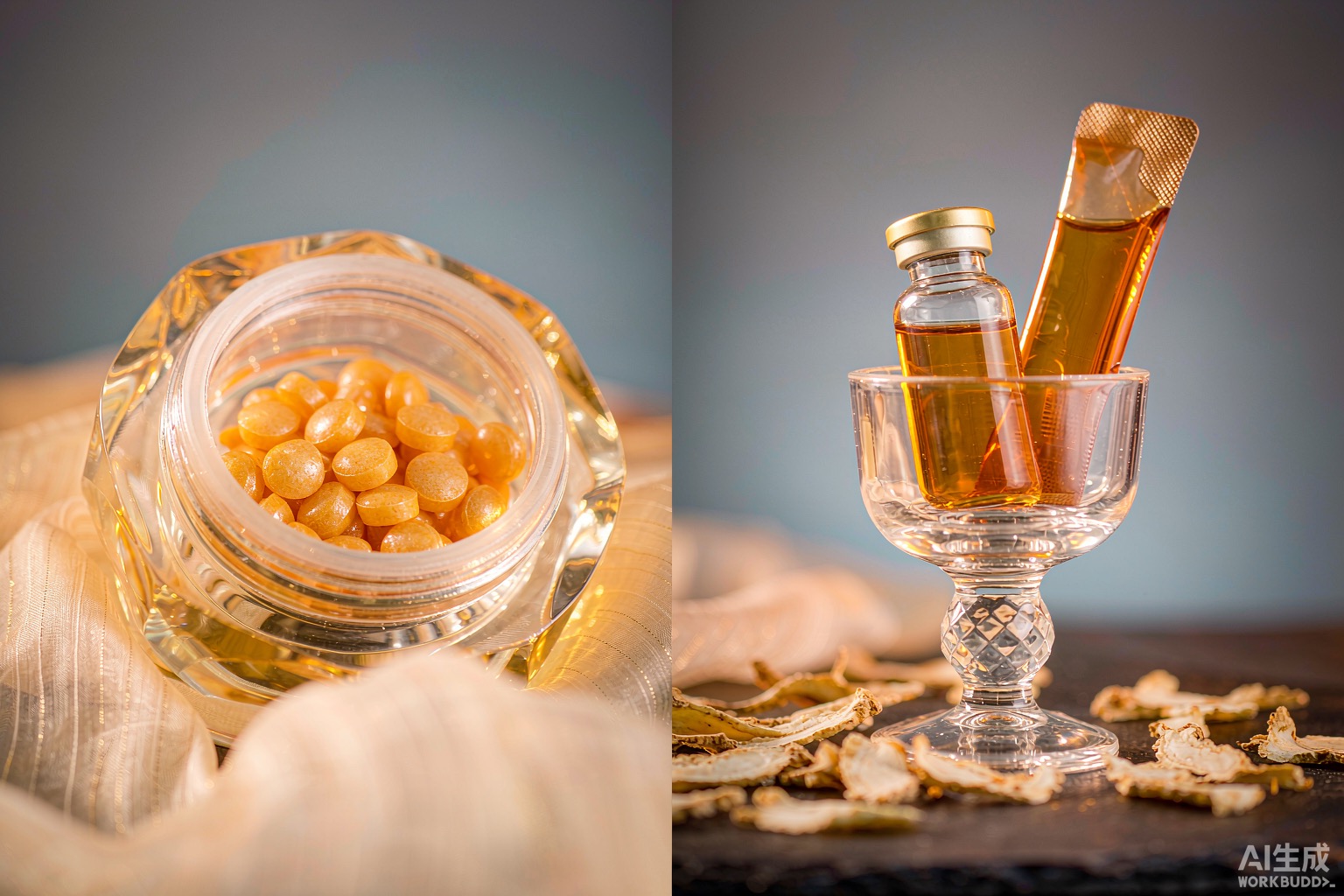
Ginseng chewable tablets are produced by blending ginseng extract powder with excipients (sweeteners, binders, flavoring), then compressing — sometimes into layered or bicretch shapes. Typical dosing runs 100-500 mg of extract per tablet, with 30-60 tablets per bottle. Oral liquid vials — the format popularized by Korean red ginseng brands — involve liquid extraction, filtration, concentration, and aseptic filling into 10-30 ml glass or plastic vials, usually in daily-dose packs of 10 or 30.
The manufacturing implications matter to buyers: tablet production is broadly available (most supplement OEMs have presses), while liquid vial filling requires dedicated aseptic lines, which narrows your supplier pool and usually raises tooling and MOQ commitments. Our overview of ginseng extract powder vs liquid private label covers the upstream extract decision that feeds both formats.
| Criterion | Chewable tablets | Oral liquid vials |
|---|---|---|
| Typical unit dose | 100-500 mg extract/tablet | 1,000-3,000 mg extract equivalent/10-20 ml vial |
| FOB cost per serving | USD 0.05-0.15 | USD 0.15-0.45 |
| Retail positioning | Mid-market, USD 15-35 per bottle | Premium, USD 25-80 per box |
| Shipping weight per 30 servings | ~45-90 g | ~400-700 g (glass) |
| Shipping risk | Low — no breakage | Breakage/leakage risk; needs protective packing |
| Shelf life | 24-36 months typical | 18-36 months typical |
| Taste flexibility | High — flavors mask bitterness easily | Moderate — bitterness harder to mask at high dose |
| Absorption onset | Moderate (chewed, ~15-30 min) | Faster (~10-20 min) |
| MOQ at OEM | 50,000-150,000 tablets typical | 30,000-100,000 vials typical |
| Consumer convenience | Very high — no water, pocket-friendly | High at home; less portable |
Retail margin profiles differ sharply. Tablets land at low unit cost, letting retailers price at USD 19-29 with healthy 50-65% gross margins while still competing on price. Vials cost more to produce and ship, but the premium box presentation supports retail prices of USD 39-79, and gift buyers in particular are less price-sensitive — which is why vial sets dominate the gifting seasons and pair naturally with the strategies in our ginseng gift set wholesale guide.
Logistics is where tablets quietly win. A pallet of tablets carries 4-8 times more servings per kilogram than glass-vial equivalents, and freight, storage, and damage rates all improve. For sea-freight containers, a typical 20-ft container might carry roughly 400,000-700,000 vial boxes depending on configuration, versus well over 1 million tablet bottles. Glass also raises breakage claims; expect to specify dividers or molded trays, adding USD 0.10-0.30 per box.
The formats also tell different stories at shelf:
A practical decision rule by buyer type:
Whichever you choose, verify the supplier's format-specific quality evidence: tablet hardness and friability data, or vial sterility and stability records, alongside standard ginsenoside COAs.
Vials support higher absolute margins — retail prices of USD 39-79 per box against production costs of USD 0.15-0.45 per serving — while chewables offer high percentage margins at lower price points. Premium and gift channels favor vials; mass-market e-commerce favors chewables.
They require more care than tablets: glass adds weight (400-700 g per 30-day box) and breakage risk, so molded trays or dividers add USD 0.10-0.30 per box. Sea freight is standard; many suppliers also offer plastic vials to cut weight and breakage.
Chewable tablets typically run 50,000-150,000 tablets per SKU; oral liquid vials typically 30,000-100,000 vials. Liquid lines are fewer in number, so expect longer lead times (30-60 days) and firmer MOQs, though our MOQ negotiation guide shows several proven levers for first orders.