← Back to TCM Global · All articles
Ginseng 101 for Global Buyers: Red Ginseng vs Fresh vs Extract
2026-10-25
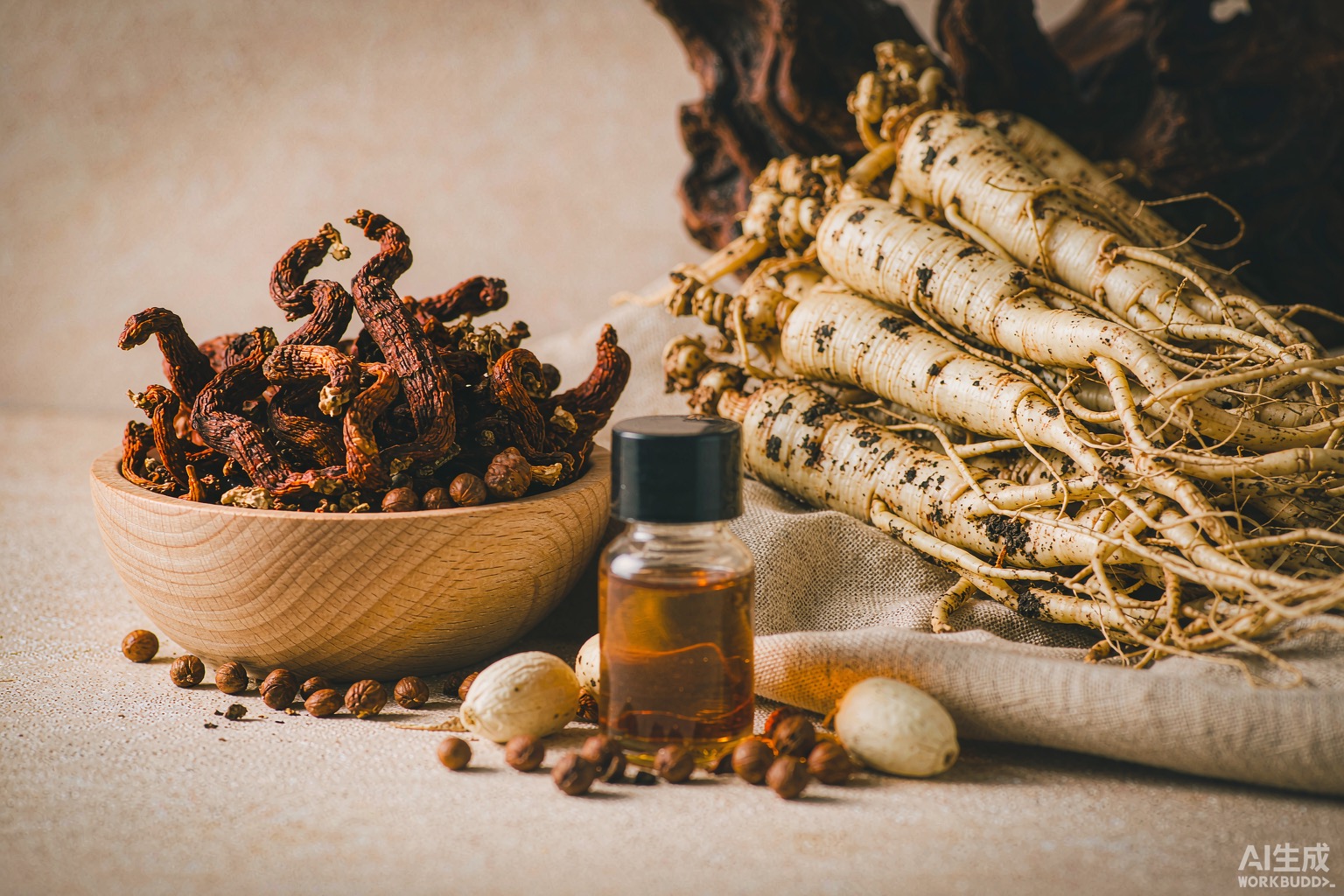
If you are building a ginseng product line for overseas markets, the first technical conversation with a Chinese supplier will quickly reveal whether you have done your homework. The vocabulary matters: fresh ginseng, white ginseng, red ginseng, extract, concentrate, ginsenoside content. This article is the foundation layer — what each form actually is, and which one fits which business.
One Plant, Several Forms
All of these products come from the same species, Panax ginseng. What differs is processing, and processing changes everything: taste, shelf life, active compound profile, price point and target customer.
Fresh (Raw) Ginseng
Freshly harvested roots, usually 4–6 years old, sold chilled.
- Character: mildest taste, highest water content, most "alive" presentation.
- Challenges: seasonal (autumn harvest), cold-chain required, shelf life measured in weeks.
- Best for: domestic-style Asian grocery retail, TCM clinics with high turnover, farmers-market style premium retail. Rarely practical for export-focused distributors unless you are near the origin.
White Ginseng (Dried)
Fresh roots that are simply sun-dried or air-dried after peeling.
- Character: the "natural" profile; slices are the classic format for teas, soups and decoction.
- Strengths: stable at room temperature, easy to grade and standardise, long shelf life, moderate price.
- Best for: herbal shops, clinics, e-commerce, and private label tea or sachet lines.
Red Ginseng (Steamed and Dried)
Roots steamed then dried, which turns them reddish-brown and fundamentally changes their chemistry.
- Character: stronger, slightly sweet-bitter taste; denser texture; the most premium and most researched category in Asia.
- Strengths: longest shelf life (often years), standardised, ideal for gift boxes and premium positioning. Korean red ginseng dominates global perception, but Chinese red ginseng from Changbai Mountain offers competitive quality at a better cost — a real opportunity for private label.
- Best for: premium tonics, gift market, hotel spas, the Middle East and Southeast Asia gifting seasons.
Extracts and Concentrates
The root's active compounds — mainly ginsenosides — are extracted with water or alcohol, then concentrated into liquid, paste, powder or granules.
- Liquid vials and drinks: ready-to-consume, premium unit economics, ideal for modern lifestyle positioning. This is the format behind products like ginseng essence drinks and honey-based active drinks.
- Powder and granules: easy to dose, blend into product lines (coffee, tea blends, sachets), popular for e-commerce.
- What to check: the extraction ratio (e.g. 6:1), ginsenoside content per serving, extraction method, and whether the extract is made from red or white ginseng.
Ginsenosides: The Number That Matters
Ginsenosides are the marker compounds of ginseng quality. Key buyer takeaways:
- Content is influenced by age of the root (6-year roots command a premium), growing region and processing method.
- Red ginseng generally shows a different (not simply higher) ginsenoside profile than white ginseng.
- Always require a COA with ginsenoside content per batch — and treat suppliers who cannot provide one as a red flag.
Compliance note: ginsenoside levels are a quality indicator, not a health claim. In export markets, products should be presented as health food or tonic, in line with local regulations.
Which Form for Which Market?
| Business type | Recommended format |
|---|
| Premium gift / Middle East | Red ginseng gift sets, liquid essence drinks |
| Clinics & herbal retail | White ginseng slices, dried roots |
| E-commerce / private label | Extract powders, sachets, red ginseng extracts |
| Hotels & spas | Ready-to-drink vials, single-serve formats |
Final Thought
You do not need to master ginseng chemistry — you need to match form to customer. Premium gifting calls for red ginseng and finished drinks; clinical and herbal channels want slices; e-commerce wants convenience formats. Ask your supplier which form their factory is actually strong at, and build your line around their strength.
This article is for business and cultural information only; products mentioned are health food/tonic positioning, not medicines.