← Back to TCM Global · All articles
2026-10-21
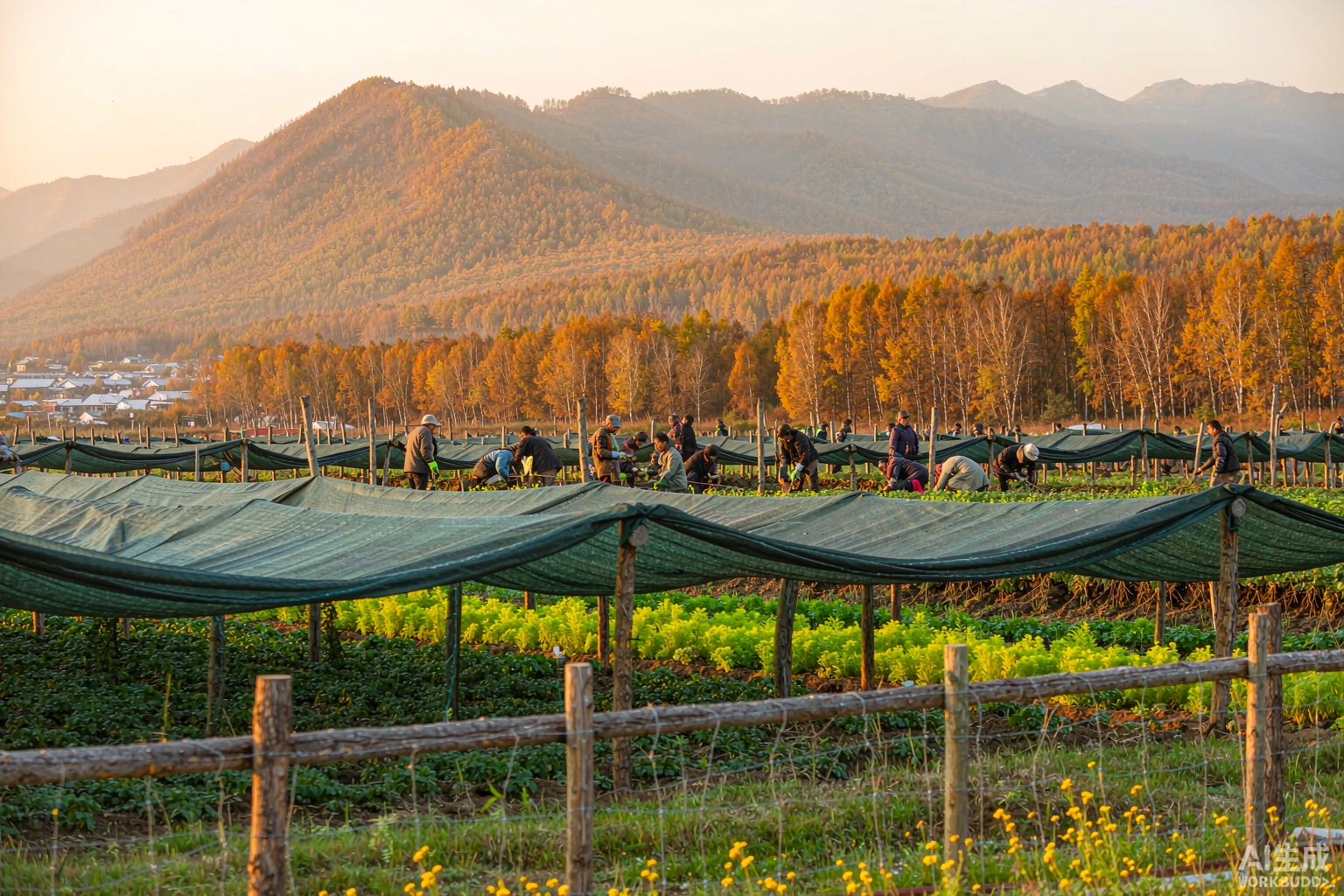
Fusong County, in the shadow of the Changbai Mountains, has cultivated ginseng for more than 460 years — and dug wild roots for over 1,700. In 2025, the county's ginseng industry chain reached 21.8 billion yuan in output, up 17.3% year over year, according to Economic Daily reporting.
The scale is hard to overstate. The Wanliang Changbai Mountain Ginseng Market alone handles over 80% of China's ginseng trade, with 2025 transaction volume of 6.38 billion yuan.
Fusong's growth is not a farming story — it is a chain story:
Fusong pioneered 37 group standards for ginseng and a strict geographical-indication authorization system. Buyers can specify certified grades rather than relying on verbal claims.
The digital platform monitors soil conditions across planting bases, and accredited labs test pesticide residues, ginsenoside content and heavy metals. Ask suppliers for test reports tied to batch codes.
Beyond dried roots: ginseng peptides, honeyed red ginseng slices, leaf drop pills, small-molecule peptide drinks, and cosmetic-grade saponin extracts — many already exported to Japan, Singapore, Malaysia and Korea.
A county once known only for raw roots now designs, tests, processes and brands its ginseng end to end. For global wellness brands, Fusong has become the most structured — and most auditable — ginseng supply base in the world.
Explore more Eastern wellness wisdom at TCM Global.