← Back to TCM Global · All articles
2026-10-21
Ask any ginseng buyer their biggest headache and you'll hear the same answer: knowing what you're actually getting. Age, origin and variety are hard to verify in a dried root — and the price gaps between categories are enormous.
Fusong County's answer is unusually systematic: 37 group standards, the first such suite in Jilin, plus a strict geographical-indication (GI) licensing regime.
The 37 standards specify requirements across the chain — cultivation, grading, processing methods, product formats. "Red ginseng" or "fresh ginseng honey slice" is not a marketing phrase but a documented spec.
Products bearing the "Fushong ginseng" geographical indication must come from the county's certified zones and pass conformity checks. License misuse is an enforceable offense.
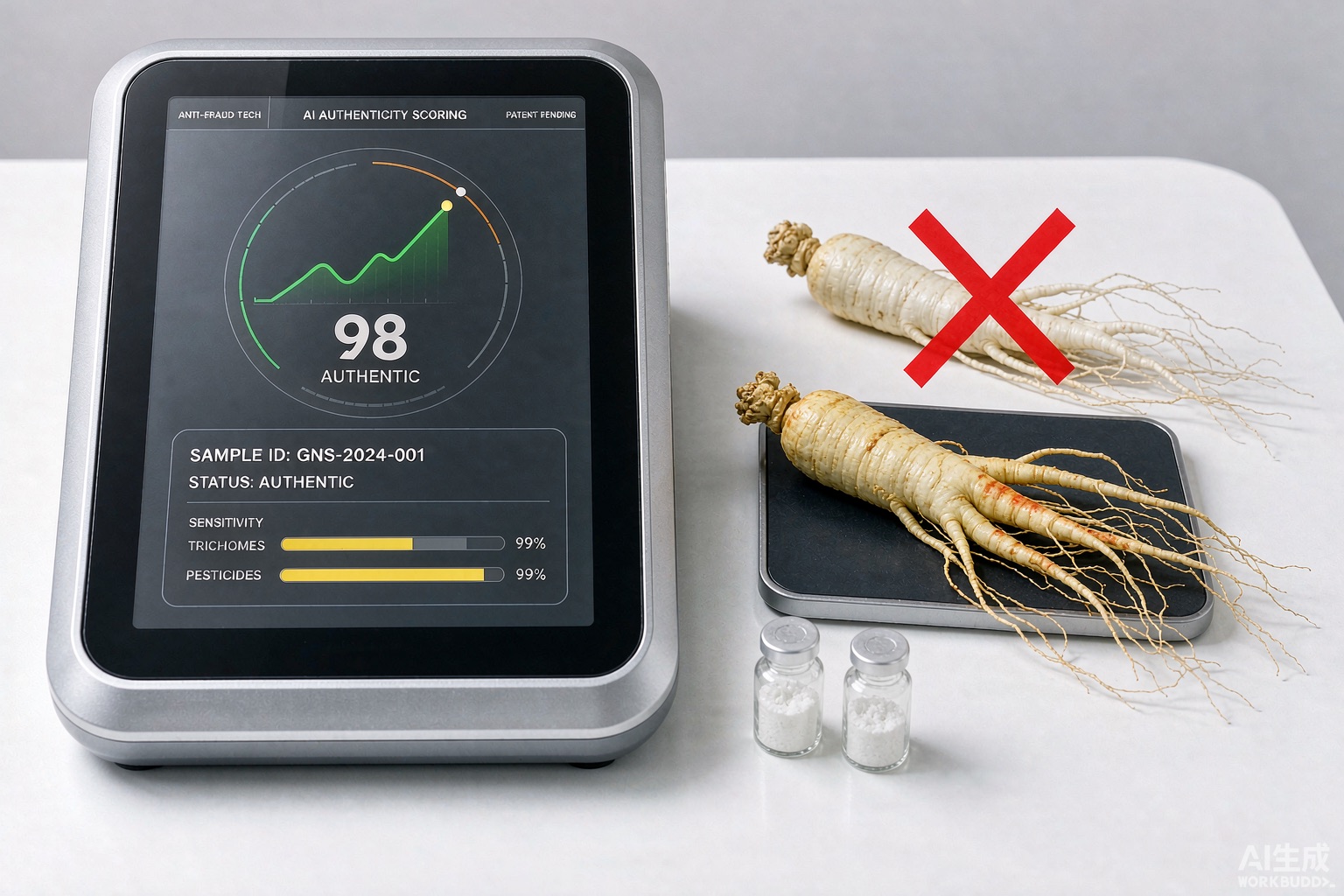
The county's "one code per root" digital system connects each certified product back to its registered batch — and the national modern-agriculture park's labs test residues, saponins and heavy metals.
Standards convert reputation into infrastructure. A market that can *prove* authenticity charges less of a trust premium — and punishes cheaters faster. For the county, that means premium pricing holds; for buyers, it means diligence gets easier every year.
"Trust me" is not a supply chain. Thirty-seven written standards, a licensing system and a traceability backbone are. Buyers who learn this system will source faster and sleep better.
Explore more Eastern wellness wisdom at TCM Global.