← Back to TCM Global · All articles
2026-10-30
# Black Friday Ginseng Deals: A B2B Sourcing Strategy for Importers
Black Friday ginseng deals are not just a consumer phenomenon — for B2B importers, the late-November window (Black Friday falls on November 27, 2026, with Cyber Monday on November 30) is one of the best times of the year to lock in discounted production slots, overstock lots, and early-2027 pricing from Chinese suppliers. While retail brands fight for shopper attention, smart distributors work the other side of the equation: factories with Q4 capacity gaps, pre-holiday inventory surpluses, and annual sales targets to close. This guide shows you how to build a Black Friday sourcing strategy that saves real money without sacrificing quality.
Chinese ginseng and TCM manufacturers face the same year-end pressure as Western retailers: they must hit annual revenue targets, clear warehouse space before Chinese New Year factory shutdowns (mid-January to late February 2027), and convert idle December production capacity into orders. Industry reports consistently show Q4 order volumes in the health product sector can swing 20-30% between factories depending on their export book, which means many have genuine spare capacity in November and December.
This creates three types of legitimate B2B deals:
Not every discount is a bargain. Use this comparison before committing budget:
| Deal type | Typical discount | Best for | Main risk |
|---|---|---|---|
| Overstock finished goods | 15-35% off wholesale | Fast-turning SKUs, e-commerce bundles | Short remaining shelf life (check 12+ months minimum) |
| Early-bird Q1 2027 orders | 5-10% vs. spring pricing | Planned private-label launches | Deposit paid before holiday shutdown; confirm production date in writing |
| December capacity-fill production | 8-12% off | Repeat SKUs with stable specs | Delivery may slip to late February after CNY |
| Consumer-style flash sales (B2C brands) | N/A — ignore | — | Not applicable to wholesale volumes |
The most common trap is buying discounted stock simply because it is cheap. A 30% discount on a format your market does not want is still a loss. Match every deal against your existing sell-through data first.
Preparation separates buyers who capture deals from buyers who just browse them. Work through this sequence in October:
Treat the season as a negotiating frame, not a coupon. Ask each shortlisted supplier directly: "Do you have any Q4 clearance lots or early-2027 pre-production pricing available?" This signals you understand their situation and invites concrete offers. Then:
First-time importers should also re-read the classic errors in our MOQ negotiation mistakes guide — chasing a discount at the cost of quality documentation or clear Incoterms is the most expensive mistake of all.
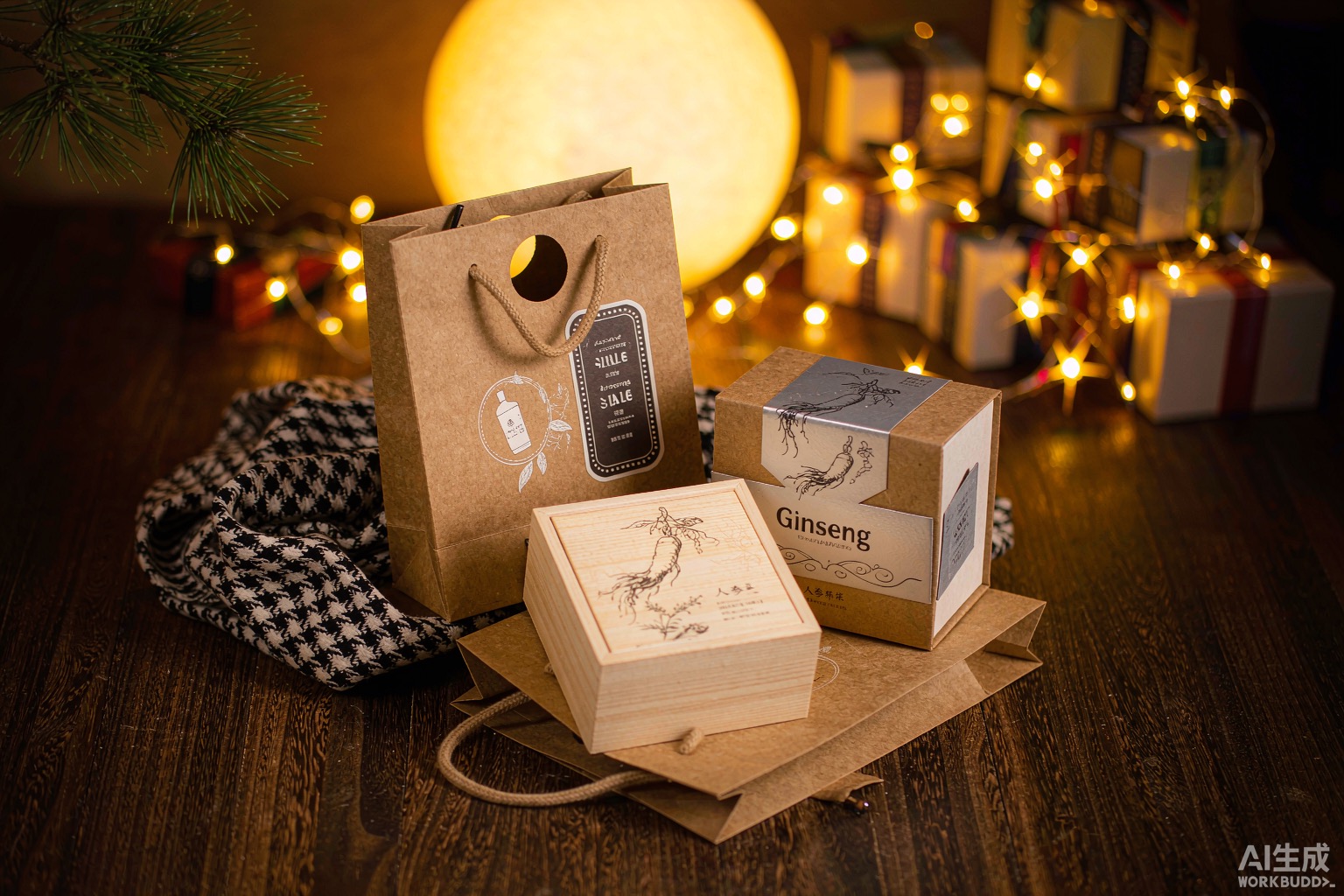
Sourcing savings only matter if stock sells. Goods ordered in late November from existing stock typically ship within 7-15 days, which — combined with 25-40 days of sea freight to most Western and Middle Eastern ports — lands in December or January. That timing aligns with two retail peaks: the January wellness-reset demand and the winter ginseng tonic season, plus Chinese New Year gifting in February 2027. If your Black Friday purchase includes gift-format SKUs, plan the merchandising now using the playbooks in our ginseng holiday gift box B2B launch guide and position February promotions around the ginseng gift set wholesale Chinese New Year 2027 window.
Price your acquisition savings into retail carefully: passing 50-70% of a sourcing discount to consumers during peak season typically lifts volume more than banking 100% as margin, because category demand is at its annual high.
Wholesale discounts are real but take a different form: clearance lots, capacity-fill pricing, and early-bird 2027 orders rather than advertised flash sales. You must ask suppliers directly — few publish B2B deals publicly.
Most suppliers apply discounts at or above their standard MOQ — commonly 500-1,000 boxes per SKU, or roughly US$3,000-10,000 in order value. Below that, you are better served by a trial-order pathway.
Request the same documentation as a regular order: third-party lab reports, batch records, production dates, and remaining shelf life in writing. A discount never waives the compliance baseline for your destination market.