← Back to TCM Global · All articles
2026-10-27
# Best Selling TCM Wellness Products in the Middle East 2026: What Actually Moves?
In 2026, the three fastest-moving TCM wellness categories in the Middle East are ready-to-drink herbal tonics (especially ginseng and jujube blends), warming herbal patches for everyday comfort, and premium gift sets for Ramadan, Eid and wedding seasons. Herbal teas, bird's-nest-style drinks and honey-based tonics form the strong second tier.
This roundup reflects what our GCC distributor partners report selling — it extends our earlier overview of the Middle East premium wellness market into concrete categories and price bands.
| Category | Typical Retail Price (per unit) | Key Channels | Demand Signal in 2026 |
|---|---|---|---|
| Ginseng & jujube tonic drinks (pouches/vials) | $8–$45 per box | Pharmacies, gifting, e-commerce | Strongest and most consistent |
| Herbal comfort patches (warming, warming-plaster style) | $5–$15 per pack | Pharmacies, supermarkets | Fast growth among office workers |
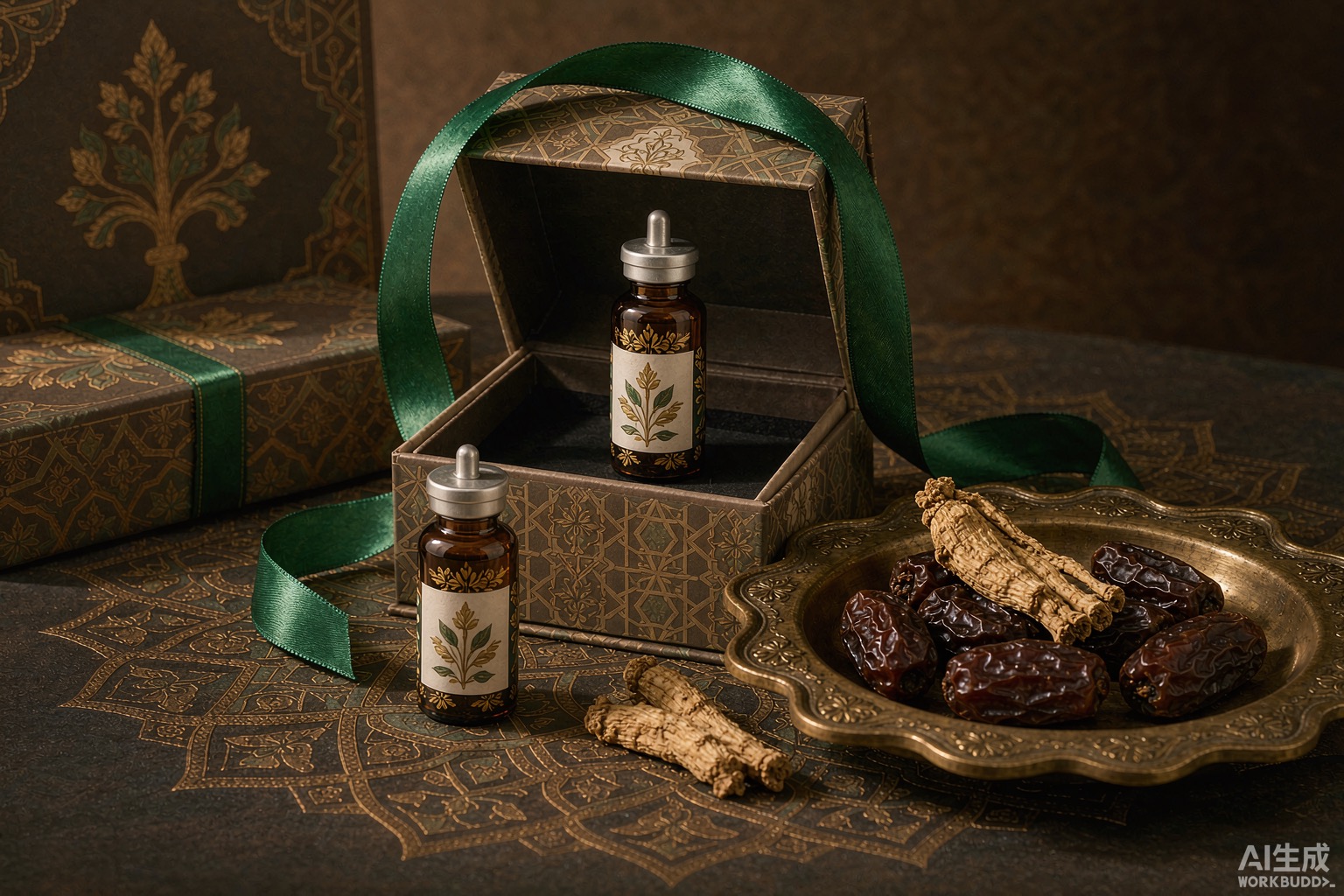
| Premium gift sets (tonics + honey + tea) | $30–$120 per set | Seasonal gifting, corporate orders | Spike during Ramadan/Eid, weddings |
| Herbal teas (goji, chrysanthemum, jujube blends) | $6–$20 per pack | Supermarkets, cafés, e-commerce | Steady, strong among female consumers |
| Honey-based tonics and pastes | $10–$35 per jar | Gifting, gourmet retail | Growing; halal and origin story critical |
| Instant herbal soups / nourishment kits | $15–$40 per kit | E-commerce, community groups | Niche but high loyalty among expat Chinese communities |
Three structural drivers sit behind this table:
Liquid tonics fit regional consumption habits better than any other format:
Best-performing SKU profiles our partners reorder most often: 10–30 pouch boxes of ginseng-jujube or ginseng-honey tonics, 12-vial gift editions, and 2-flavor variety packs for first-time buyers.
A typical entry plan for a new GCC distributor:
All quantities, classifications and product statements should pass local regulatory review in each destination country before import.
Q1: Which TCM product sells fastest in the GCC right now?
Ginseng-jujube tonic drinks in pouch format lead demand, followed by warming herbal patches and premium gift sets tied to Ramadan and Eid seasons.
Q2: Do I need halal certification for every product?
In practice, yes for food and ingestible products across most Gulf markets. Certification must come from a body recognized locally, and the certificate should cover ingredients, production line and logistics.
Q3: What price band works best for first-time gift sets?
$30–$60 per set is the sweet spot for retail gifting; corporate orders often move into the $60–$120 range with custom packaging.
Q4: Are herbal patches regulated like food or like cosmetics?
It depends on the country and the patch's stated purpose. Classification varies — treat every patch SKU as requiring local regulatory review before import.
Q5: When should gift-set orders be placed for Ramadan?
Confirm production 4–5 months before Ramadan to allow manufacturing, shipping, customs and Arabic artwork. Gift SKUs that arrive after the season's first two weeks lose most of their value.