← Back to TCM Global · All articles
2026-10-16
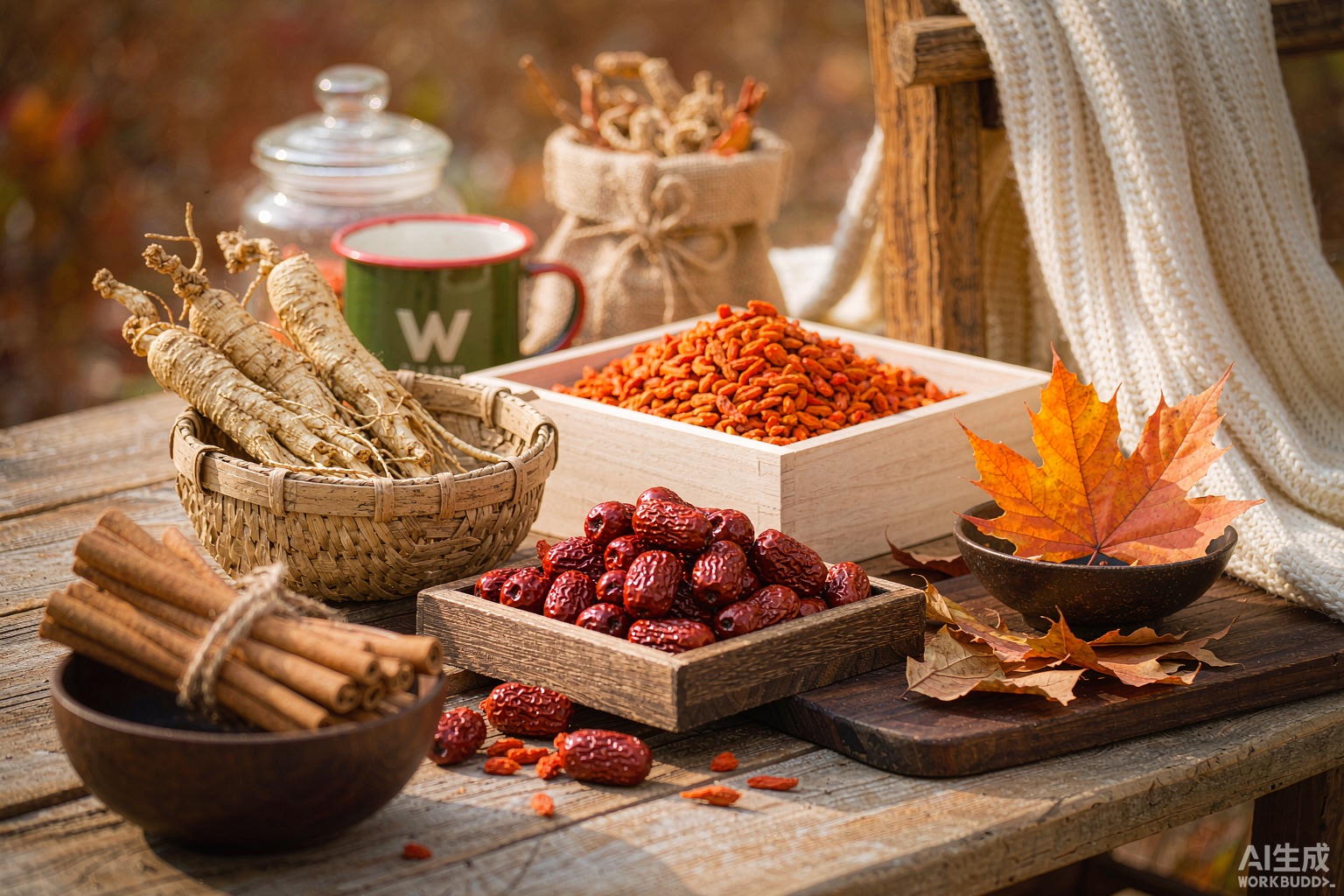
Autumn marks a shift in nature’s rhythm—a time when the body naturally seeks warmth, grounding, and gentle replenishment. In Traditional Chinese Medicine (TCM), this season is intimately tied to the Lung and Large Intestine meridians, and it’s traditionally regarded as an ideal period for tonification. Often called the autumn tonic season, it’s a window to support your body’s transition before winter’s stillness. Ginseng, revered for centuries as a premier tonic herb, takes center stage. But with so many options, how do you choose wisely? This autumn tonic season ginseng shopping guide walks you through the essentials—calmly, authentically, and without hype.
In TCM theory, autumn corresponds to the Metal element, a phase of gathering and refinement. After the expansive energy of summer, the body begins to conserve. The classic text *Huangdi Neijing* advises aligning with the season: “In autumn, one should retire early and rise early, and keep the spirit settled.” Tonics are used not to boost, but to harmonize—gently supporting the body’s own reserve. Ginseng, a Qi tonic, is traditionally considered warming and energizing, making it a natural fit for this cooler, more inward time. Many wellness practitioners suggest a modest, consistent intake rather than a large, sudden dose.
Before shopping, it helps to know the landscape. Ginseng isn’t a single product; it’s a family of herbs with distinct natures.
Each has its own character. The goal is not to find the “strongest,” but the one that resonates with your constitution and the season’s needs.
Quality matters more than quantity. Here’s what to look for when shopping.
Look for clear sourcing—regions like Jilin, Korea, or Wisconsin are known for distinct profiles. Reputable sellers provide details on harvest year, root age, and processing method. Avoid vague labels like “pure ginseng” without specifics.
Good ginseng roots are firm, not brittle, with a natural, complex shape. They should have a subtle, earthy aroma. Overly white or uniform roots may indicate over-processing or bleaching.
Traditional steaming (for red ginseng) and sun-drying (for white) preserve the herb’s integrity. Check for additives like sugar or artificial flavors—less is more.
Whole roots allow you to inspect quality and are often preferred for traditional decoctions. Slices are convenient for teas. Powders and extracts can be convenient but vary widely in purity. For autumn tonic season, whole roots or slices offer a mindful ritual.
Look for third-party testing for heavy metals and pesticides. Organic certification is a plus, though not always feasible for wild-simulated ginseng.
A calm shopping experience starts with curiosity. Ask:
A transparent seller will welcome these questions. If they can’t answer, consider it a sign to look elsewhere.
Once you’ve selected your ginseng, how you use it matters. In TCM, tonic herbs are often taken in small, consistent amounts—typically 1–3 grams of dried root simmered in water or added to soups. A simple tea can be made by steeping a few slices in hot water for 10–15 minutes. Some prefer to add a few slices to congee or broth. The key is regularity and gentleness. Listen to your body; if you feel agitated or overheated, reduce the amount. Always consult a qualified TCM practitioner or healthcare provider if you’re unsure.
The autumn tonic season invites us to slow down and choose with intention. A ginseng shopping guide isn’t about finding the most expensive or exotic root—it’s about understanding your needs and respecting the herb’s heritage. At TCM Global (tcm-global.net), we’re here to support your journey with authentic information and quality products. As you prepare for winter, may your choices bring warmth, balance, and a quiet sense of well-being.
*Note: This article is for wellness education only. Ginseng is a traditional herb, not a medicine. Consult a healthcare professional before starting any new herbal regimen.*
Explore more Eastern wellness wisdom at TCM Global.