← Back to TCM Global · All articles
2026-10-13
In the world of traditional wellness, ginseng stands as a revered botanical, cherished for centuries across Eastern cultures. Yet not all ginseng is the same. American ginseng (Panax quinquefolius) and Asian ginseng (Panax ginseng) are two distinct species, each with its own character, traditional applications, and subtle energetics. This American ginseng vs Asian ginseng comparison will guide you through their differences, helping you choose the one that aligns with your wellness rituals.
At TCM Global, we honor the wisdom of traditional Chinese medicine (TCM) and strive to bring you authentic, premium herbs. Let's explore these two treasured roots with calm clarity.
Asian ginseng, often called Korean or red ginseng, has been cultivated in China and Korea for thousands of years. It is typically steamed and dried, giving it a warm, reddish hue. The root is prized for its potent, yang energy—associated with vitality and warmth.
American ginseng, native to North America, was discovered by Indigenous peoples and later embraced in TCM. It is usually dried without steaming, retaining a pale, ivory color. Its energy is considered more yin—cooling and calming, offering a gentler tonic effect.
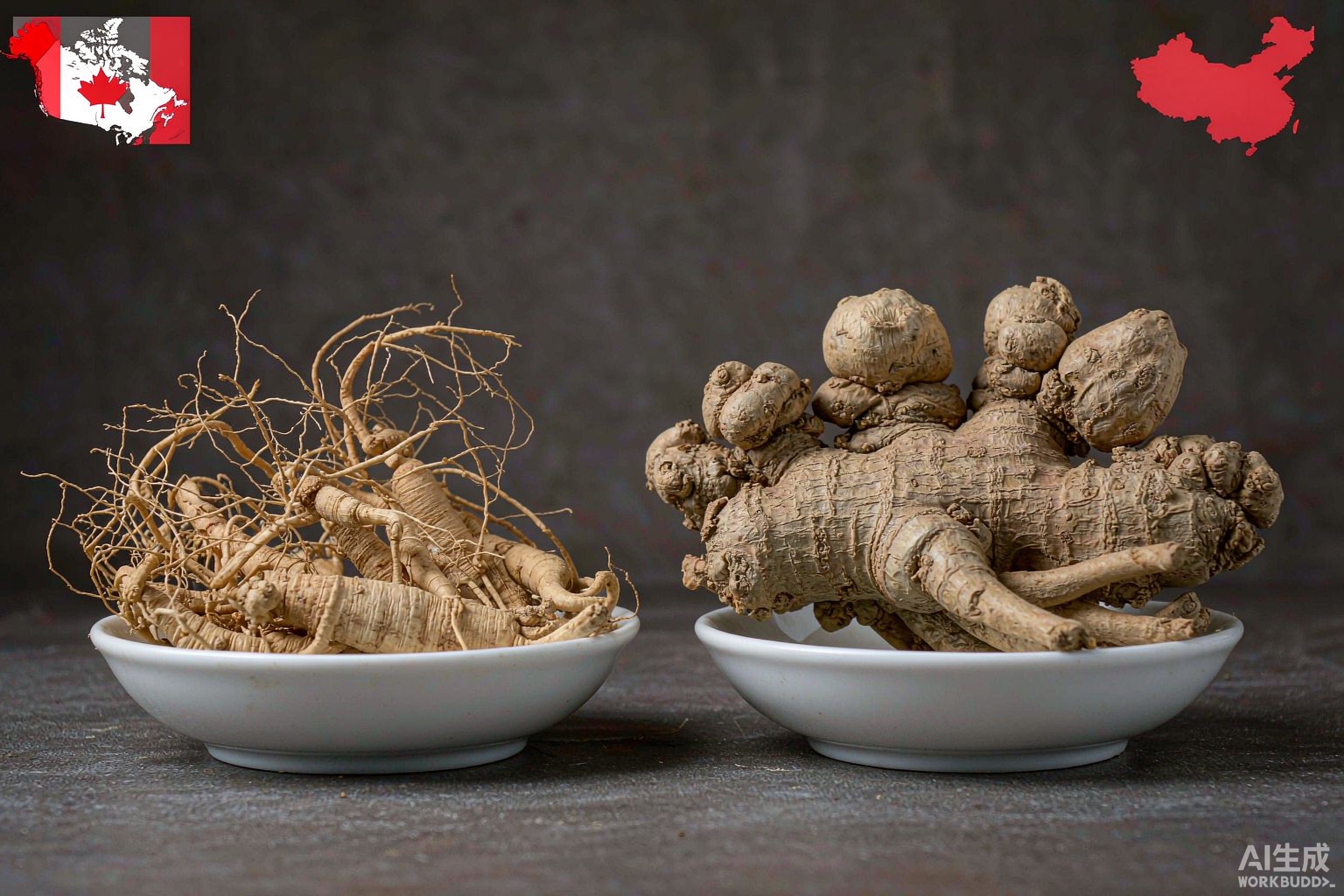
Visually, Asian ginseng roots are often thicker and more branched, while American ginseng roots tend to be slimmer and longer. These physical differences reflect their distinct energetic properties.
In TCM, herbs are classified by their thermal nature. Asian ginseng is warm and stimulating, often used to invigorate and support yang energy. It is traditionally recommended for those feeling cold, fatigued, or lacking drive.
American ginseng, by contrast, is cool and moistening. It is used to nourish yin, clear heat, and support fluids. It is ideal for individuals who feel restless, dry, or overheated—common in fast-paced modern lifestyles.
This fundamental contrast—warming versus cooling—is the cornerstone of the American ginseng vs Asian ginseng comparison. Your choice depends on your constitution and the season. For example, Asian ginseng may be more suitable in winter, while American ginseng shines in summer.
Asian ginseng has a slightly bitter, earthy taste with a sweet finish. It is often consumed as a tea, in soups, or as a tincture. Red ginseng is also available in concentrated extracts.
American ginseng is milder, with a sweet, slightly bitter flavor and a refreshing aftertaste. It is commonly sliced and chewed, brewed as a tea, or added to nourishing dishes. Its gentle profile makes it easy to incorporate into daily wellness routines.
At TCM Global, we offer carefully sourced ginseng products, including slices, powders, and extracts, to suit your preferences. Always choose high-quality, authentic sources to ensure potency and purity.
Asian ginseng is traditionally used to support energy, combat fatigue, and enhance physical performance. It is often taken by those recovering from illness or experiencing low vitality. In TCM, it is considered a supreme tonic for qi (vital energy).
American ginseng is valued for its ability to nourish yin, promote hydration, and calm the spirit. It is often used to support mental clarity, reduce occasional stress, and maintain overall balance. It is a popular choice for those with active, stressful lives who need cooling nourishment.
While both roots are adaptogenic in nature, their specific actions differ. Asian ginseng tends to be more stimulating, while American ginseng offers a more grounding, restorative effect.
Choosing between American and Asian ginseng is a personal journey. Consider your body's signals: Do you often feel cold and tired? Asian ginseng might be your ally. Do you feel warm, dry, or easily stressed? American ginseng could be more suitable.
It's also wise to consult with a qualified TCM practitioner or wellness advisor before adding any new herb to your regimen, especially if you have specific health considerations or are taking medications. This article is for informational purposes only and not a substitute for professional advice.
Whether you choose American or Asian ginseng, the key is mindful consumption. Start with small amounts and observe how your body responds. Ginseng can be enjoyed as a morning tea, added to soups, or taken as a supplement. At TCM Global, we recommend integrating ginseng into a holistic lifestyle that includes balanced nutrition, gentle movement, and rest.
The American ginseng vs Asian ginseng comparison reveals two distinct yet complementary herbs. Asian ginseng warms and invigorates, while American ginseng cools and nourishes. Both have earned their place in traditional wellness, and understanding their differences empowers you to make informed choices.
Explore our curated selection at TCM Global to find premium ginseng products that resonate with your needs. Embrace the wisdom of the East with a calm, premium approach to wellness.
Explore more Eastern wellness wisdom at TCM Global.