← Back to TCM Global · All articles
2026-10-30
# Ginseng Collagen Beauty Drink Private Label Trend 2027
The ginseng collagen beauty drink is the standout private label trend heading into 2027: pairing 3-10 g of collagen peptides with 100-300 mg of ginseng extract per serving, it merges the two strongest functional claims in Asia-Pacific wellness — skin beauty and daily energy — in a single premium SKU. Industry reports consistently place beauty-from-within supplements in double-digit annual growth, and category data show collagen beverages commanding retail premiums of 40-80% over standard functional drinks. For private label buyers, this hybrid format is the clearest premiumization play in the ginseng RTD space.
Three converging consumer trends:
| Format | Typical Spec | Unit Cost (FOB) | Best For |
|---|---|---|---|
| Glass RTD bottle 50-100 ml | 3-5 g collagen + 100-200 mg ginseng | $0.55-1.10 | Premium retail, gifting |
| PET RTD bottle 250-300 ml | 3-5 g collagen + 100-300 mg ginseng | $0.40-0.80 | Convenience channels |
| Stick pack powder 5-10 g | 5-10 g collagen + 100-300 mg ginseng | $0.18-0.35 | E-commerce, subscriptions |
| Vial/ampoule 30-50 ml | 5-10 g collagen + 200-500 mg ginseng | $0.70-1.40 | High-end beauty retail |
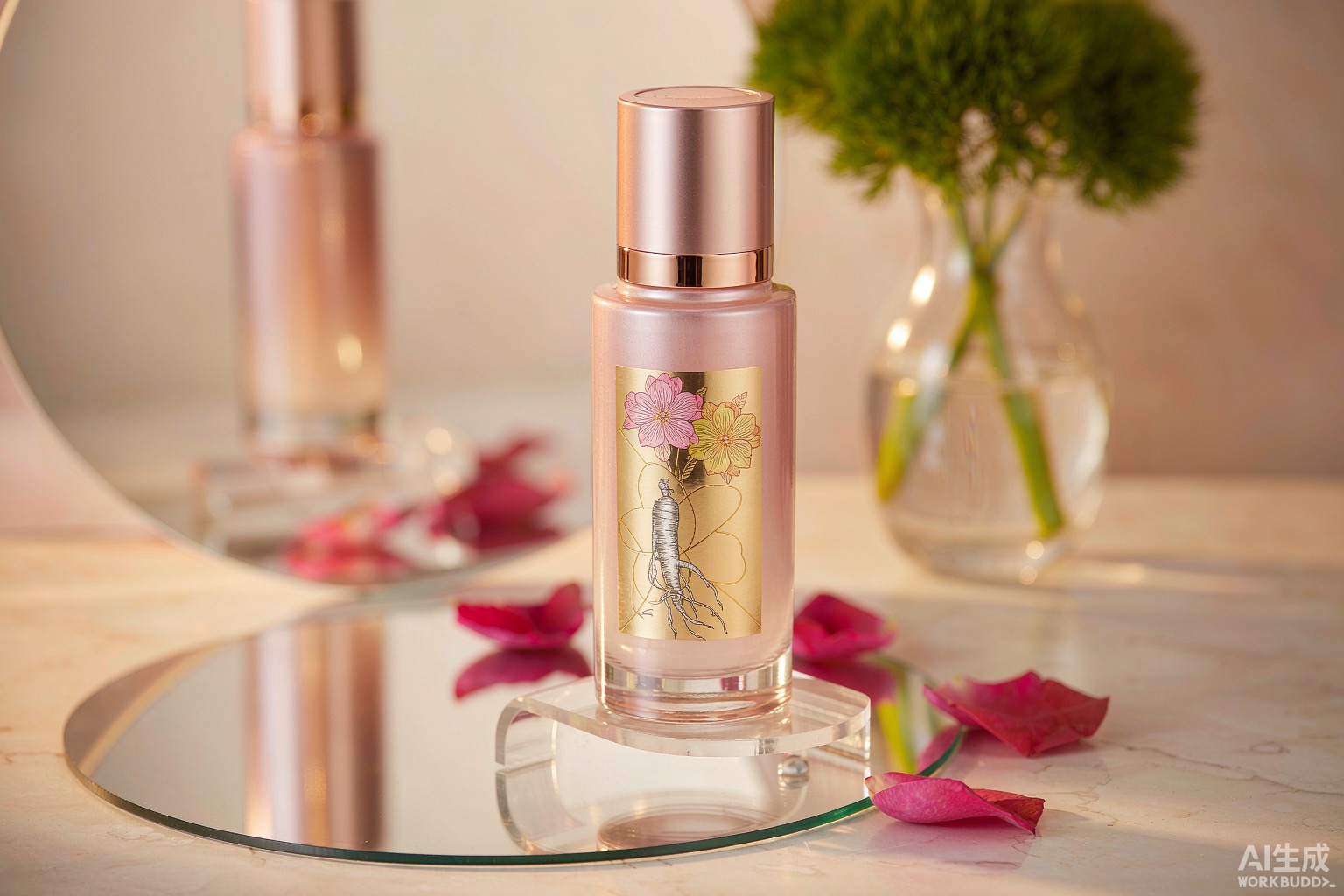
Glass bottles and vials photograph well and dominate social-commerce selling — a distribution logic that complements the gifting channels described in ginseng holiday gift box b2b launch.
Collagen source: Marine collagen peptides (from fish) dominate beauty positioning and carry smaller molecular weight claims (typically 1,000-3,000 Da); bovine collagen costs 15-30% less but needs halal certification for Gulf markets — note marine sources sidestep some halal complexity but must be non-porcine-processed.
Ginseng input: Red ginseng extract at 5-10% ginsenosides is standard. Flavor masking matters more here than in any other ginseng format — the target consumer will not tolerate bitterness in a beauty drink. Effective systems use 2-6% fruit juice concentrates (peach, berry, lychee), sweeteners at 6-10 Brix, and acidity around pH 3.5-4.2, which also aids collagen stability.
Stability: Collagen-ginseng RTDs are sensitive to heat and light. Specify nitrogen-flushing, low-temperature filling, and amber/opaque glass. Accelerated stability testing at 37-40°C for 4-8 weeks should be mandatory — the methods in ginseng drink shelf life testing apply directly.
A representative premium SKU: 50 ml glass bottle with 5 g marine collagen + 150 mg red ginseng extract lands at $0.60-0.90 FOB in 20,000-50,000 unit MOQs, retails at $3.50-6.00, and supports 65-75% distributor gross margin. A 30-day stick-pack box at $4.50-7.00 wholesale retails at $12.90-19.90. These margins exceed standard ginseng tea or capsule lines by 10-20 points, which is precisely why 2027 private label pipelines are filling with this format.
RTD liquid formats typically require 20,000-50,000 units per SKU; stick packs start around 50,000-100,000 sachets. Stock-formula programs with custom labels can begin at 10,000-20,000 units.
Yes — fish-derived collagen must be declared as a fish allergen in the US, EU, GCC, and most Asian markets. Bovine collagen avoids this but requires halal verification for Muslim-majority markets.
With proper low-temperature filling and opaque packaging, 12-18 months ambient. Shelf life should be validated with accelerated testing before committing to date coding — the testing protocols in ginseng drink shelf life testing provide the baseline.