← Back to TCM Global · All articles
Ginseng Corporate Gift Sets for Year-End B2B Sales
2026-10-31
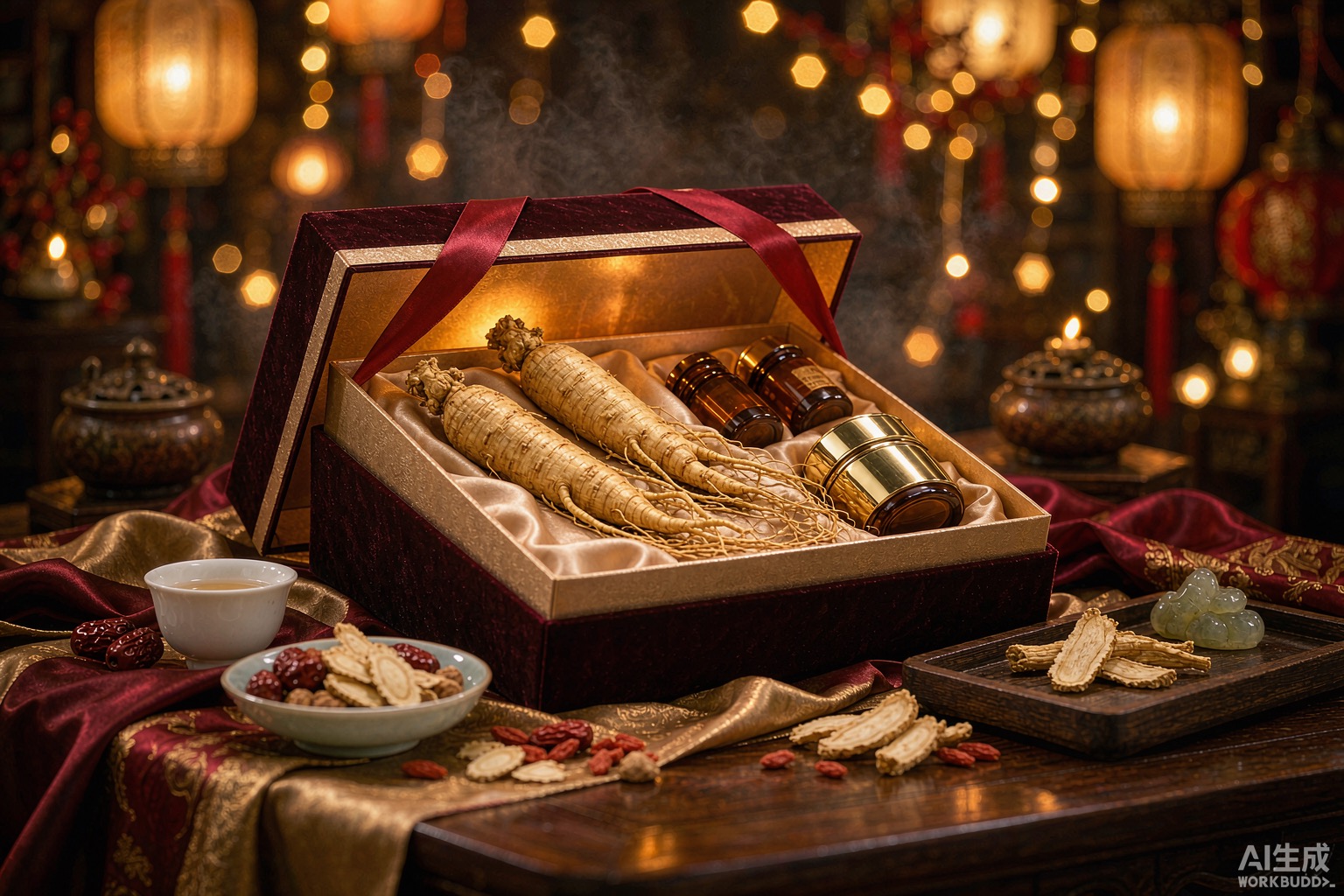
# Ginseng Corporate Gift Sets for Year-End B2B Sales
The most profitable B2B order of the year for many ginseng distributors is not retail restocking — it is ginseng corporate gift sets year end B2B programs, where companies buy 200 to 5,000 branded gift boxes between November and February for clients, employees, and event partners. Corporate buyers care about presentation, perceived value, and delivery certainty more than unit price, which means healthy margins for importers who can configure and deliver on schedule. This guide compares set configurations, price bands, and the ordering timeline that keeps the season from slipping.
Why Corporate Gifting Fits Ginseng
Ginseng occupies a rare intersection for gift buyers:
- It reads as premium without being personal. A bottle of wine imposes taste; a ginseng gift set signals care and wellness without presuming the recipient's preferences.
- Cultural weight works cross-border. In East Asian business culture, ginseng gifting is an established year-end ritual; in Western and Middle Eastern markets, it arrives as a differentiated, story-rich alternative to the usual fruit basket — a story your retail side may already tell through TCM cultural storytelling for brand trust.
- The season stacks. Year-end holidays, New Year, and Lunar New Year (February 2027) form one continuous gifting corridor from late November through mid-February, letting one production run serve three occasions.
Gift Set Configurations Compared
Most corporate programs fall into three tiers. Figures below reflect typical wholesale configurations; adjust for your market.
| Tier | Typical Contents | Wholesale Price Band (FOB) | Typical MOQ | Lead Time |
|---|
| Entry | Ginseng tea bags or instant granules + honey stick packs in printed carton | USD 4–8 per set | 500 sets | 25–35 days |
| Mid | Red ginseng oral liquid shots (10 × 20 ml) + honeyed slices in rigid gift box | USD 10–20 per set | 300 sets | 30–45 days |
| Premium | Aged root or forest-cultivated ginseng presentation box + extract bottle, silk-lined case | USD 25–60+ per set | 100–200 sets | 45–60 days |
Two margin observations. First, corporate buyers frequently trade up from entry to mid tier once they see the box in person — sample kits close this upsell. Second, premium sets using forest-grown understory ginseng carry provenance stories that justify multiples of commodity root pricing, and the corporate context is where that story pays.
A Six-Step Ordering Process
- Start configuration talks in October or early November. Corporate buyers finalize budgets in mid-November; arriving with three configured tiers and sample imagery at that moment wins programs that late respondents never see.
- Present physical samples, not renders. Gift decisions are made by touch — box hinge quality, foil stamping, the weight of the bottle. A sample kit costs little against a 1,000-set program. Our guide on ginseng product photography for ecommerce listings covers making even digital presentations land.
- Confirm customization scope early. Logo printing is standard; custom-insert die-cuts, special box sizes, and personalized greeting cards each add 5–10 days. Get the buyer's artwork in vector format before production booking.
- Lock pricing against the raw material market. Root and extract input costs move with the harvest cycle — our 2027 ginseng market price trend analysis tracks the direction — so quote with a validity window rather than an open-ended price.
- Build the logistics buffer into the delivery promise. For corporate buyers, "arrives by December 15" is a hard constraint, not a preference. Add two weeks of freight contingency and agree on delivery split-shipments if volume is large.
- Deliver with reorder hooks. Include a reorder card for the buyer's HR or admin team — corporate programs repeat annually, and Lunar New Year 2027 (February) is a natural second drop from the same configuration. Our wholesale guide to ginseng gift sets for Chinese New Year 2027 details the CNY-specific configurations.
Timing, Compliance and Common Failure Points
- Order-by calendar: configuration by early November, deposit by mid-November, production complete by mid-December for year-end delivery — or production complete by early January for CNY delivery.
- Alcohol-adjacent markets: for Middle Eastern corporate clients, lead with honey-based and tea formats and ensure finished-product halal certification; gift sets often travel to multiple offices across jurisdictions.
- Insurance and liability: large corporate orders occasionally trigger procurement requirements for product liability documentation; our guide on ginseng product liability insurance for importers explains what certificates to hold ready.
- The Black Friday crossover: consumer-facing gifting demand peaks the same weeks; Adobe reported AI assistant referrals to retail sites up roughly 95% during the Black Friday season — if you also run retail, plan inventory allocation between the two channels before orders land. Our Black Friday B2B sourcing guide covers the supplier-side angle.
FAQ
Q: How early should corporate clients order custom-branded ginseng gift sets?
A: Ideally by early November for year-end delivery, which allows 4–6 weeks for production plus freight. For Lunar New Year programs, configuration in November and production deposit by mid-December is the safe cutoff.
Q: What is a typical MOQ for customized corporate gift sets?
A: Entry-tier printed-carton sets usually start at 300–500 sets; premium presentation boxes run 100–200 sets depending on the box tooling. Stock-box programs with logo-only customization can go lower — see our guide on small MOQ trial orders.
Q: Which ginseng formats work best in corporate gift sets for international recipients?
A: Individually wrapped formats — honeyed slices, tea bags, oral liquid shots, and stick packs — travel well, avoid customs issues with loose botanicals, and present cleanly. Pair with local-language story cards rather than dense health content; keep all copy firmly in the food and wellness space.