← Back to TCM Global · All articles
2026-10-30
# Ginseng Effervescent Tablets Manufacturing Process: What Buyers Need to Know
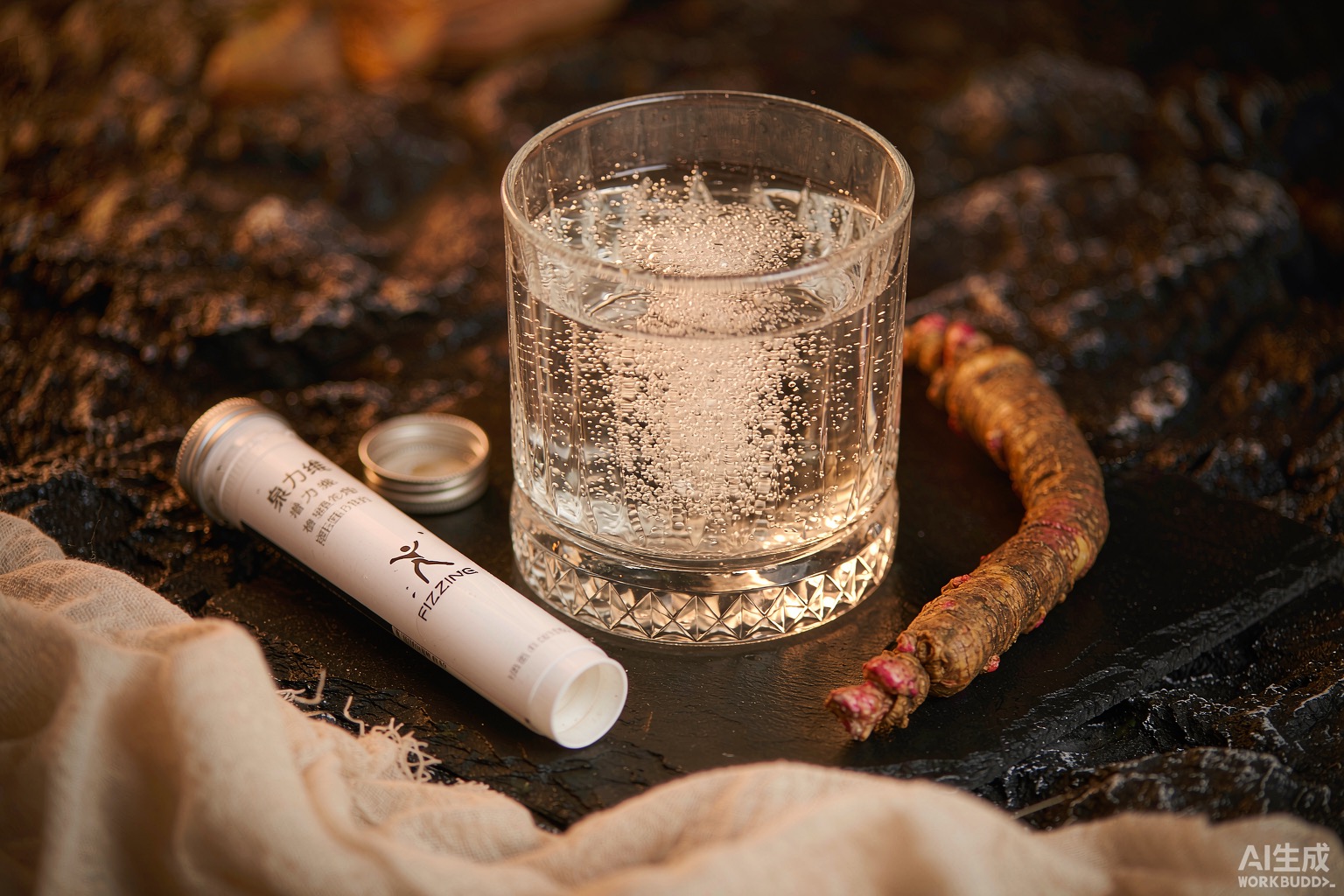
Ginseng effervescent tablet manufacturing pairs ginseng extract powder with effervescent chemistry — citric acid, sodium or potassium bicarbonate, and sweetener systems — then requires granulation, compression under humidity below 25% RH, and sealed aluminum tube packaging to deliver a tablet that dissolves fully in 2-3 minutes. The format rides the vitamin-aisle habit consumers already have, giving ginseng a familiar daily-ritual vehicle. It is also one of the more technically demanding OEM formats: moisture is the constant enemy, and factory capability varies more here than in capsules or gummies. This guide explains the process, costs, and the QC gates that matter.
| Component | Typical Share | Function |
|---|---|---|
| Ginseng extract (5-30% ginsenosides) | 5-15% | Active; 100-500 mg per tablet |
| Citric acid | 25-35% | Effervescent acid source |
| Sodium/potassium bicarbonate | 30-45% | CO2 source; potassium version suits low-sodium claims |
| Sweetener + flavor | 10-20% | Masks bitterness; stevia/acesulfame or sugar-based |
| Binder/lubricant | 1-3% | Compression aids |
A standard 3-4 g tablet delivers 100-300 mg of ginseng extract; premium "double-dose" 4-5 g tablets carry 300-500 mg. Compare competing quotes on ginsenosides per tablet — the same normalization logic used in ginseng extract wholesale price negotiation.
Effervescent chemistry fails in moisture. A factory visit or audit should verify: dedicated dehumidification HVAC with RH logging, compression suite segregation from other lines, and tube-sealing done in the same controlled room. The factory vetting framework in ginseng supplier audit checklist applies directly; the humidity question alone disqualifies many general-purpose tablet plants.
| Item | Typical Range (USD) |
|---|---|
| MOQ | 100,000-300,000 tablets |
| Unit cost per tablet (3-4 g, standard dose) | $0.05-0.12 |
| Premium dose/tablet with custom flavor | $0.10-0.18 |
| Aluminum tube packaging | $0.08-0.15/tube |
| Wholesale per 20-tab tube | $1.80-4.00 |
| Suggested retail per tube | $7.90-16.90 |
Lead time runs 35-50 days including moisture-sensitive packaging. Sampling follows the standard OEM rhythm described in ginseng factory sample order process — but insist that samples ship in final aluminum tubes, not bottles, since packaging is half the stability story.
Moisture is the difference: effervescent acid-base chemistry begins reacting at ambient humidity, so every stage — drying, granulation, compression, packaging — must run below 25% RH with fast sealing. Capsule lines tolerate ordinary environments; effervescent lines need dedicated HVAC and discipline.
With alu-alu blisters or quality aluminum tubes with desiccant caps, 18-24 months is achievable and defensible with stability data. CO2 loss, hardness increase, and dissolution slowdown are the failure indicators tested over time.
The compression room: logged relative humidity (must read below 25% RH), dedicated dehumidification equipment, and time-stamped records showing tablets are sealed within hours of pressing. A factory that cannot produce humidity logs should not produce your effervescents.